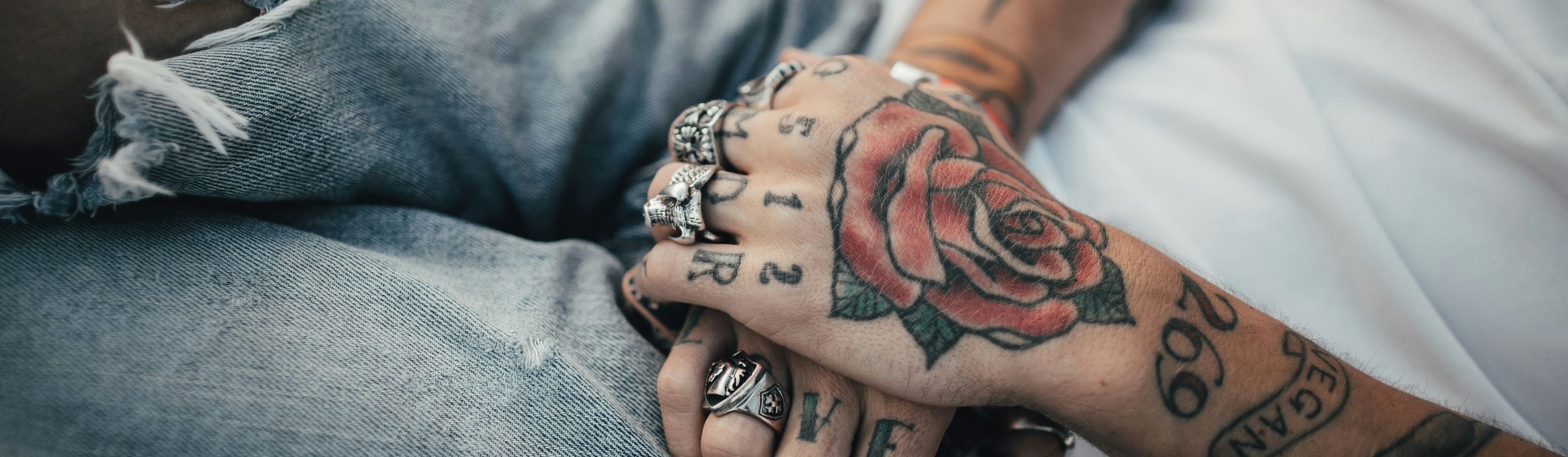
From Rebellious Ink to Everyday Style
Tattoos have spent a long time shifting between social taboo and mainstream fashion statement, and designs that once raised eyebrows are now fairly common sights. Some were associated with sailors, bikers, prisoners, or particular subcultures, while others simply challenged older ideas about what respectable people were supposed to look like. Here are 20 once-controversial tattoo designs that are now popular.
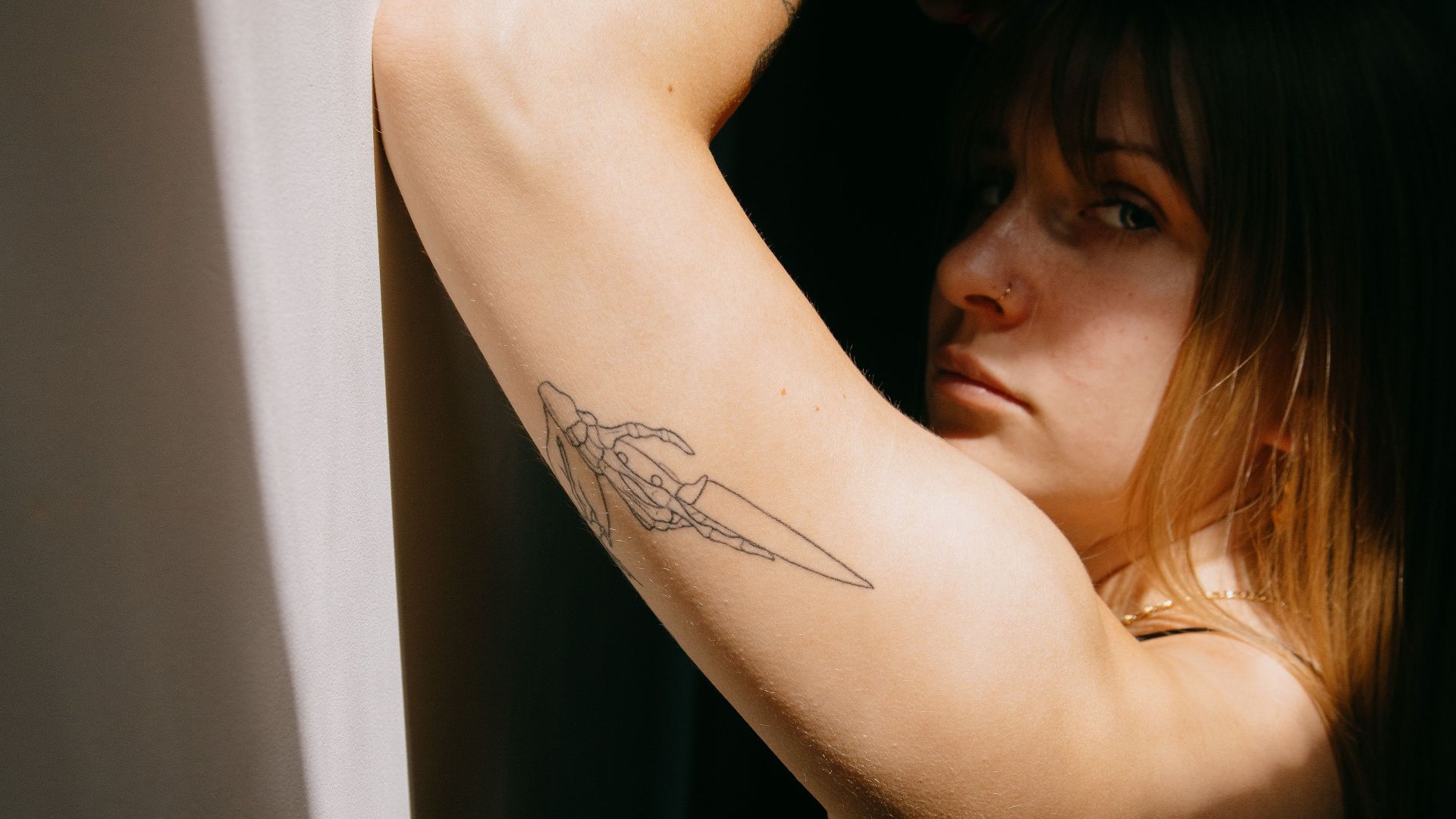
1. Skull Tattoos
Skulls used to have an especially intimidating reputation because they were often connected with bikers, heavy metal, danger, and death. Seeing one tattooed prominently could make people assume the wearer was trying to look threatening. These days, skulls appear in everything from colorful floral designs to highly detailed realistic pieces, their meaning having more to do with embracing life than inflicting pain.
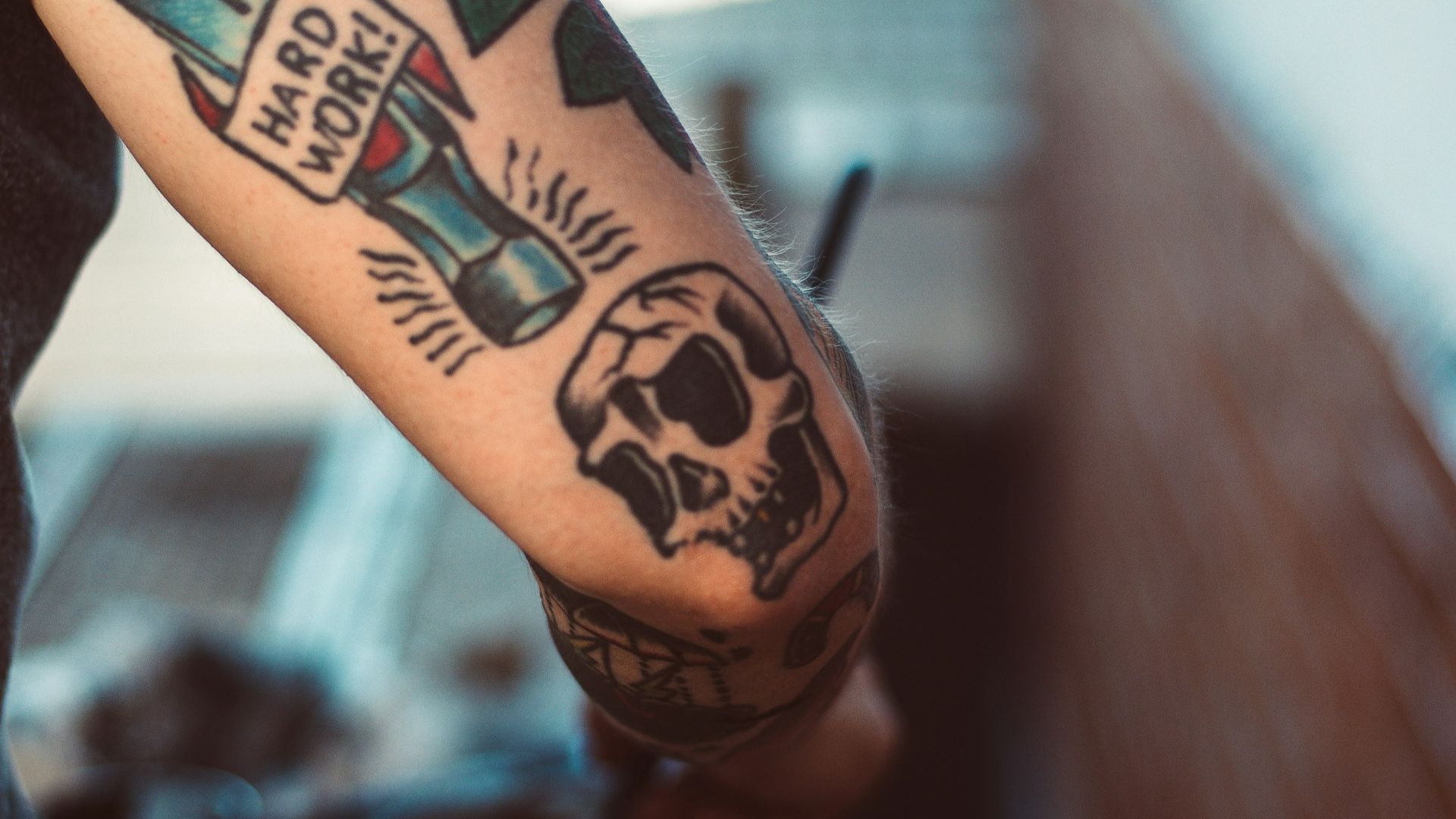
2. Snake Tattoos
Snake tattoos once carried strong associations with temptation, danger, betrayal, and rebellion. Their unsettling reputation made them a bold choice, especially when paired with daggers, skulls, or other aggressive imagery. Modern tattooing, however, has turned snakes into a versatile design that can look elegant, decorative, or even delicate.
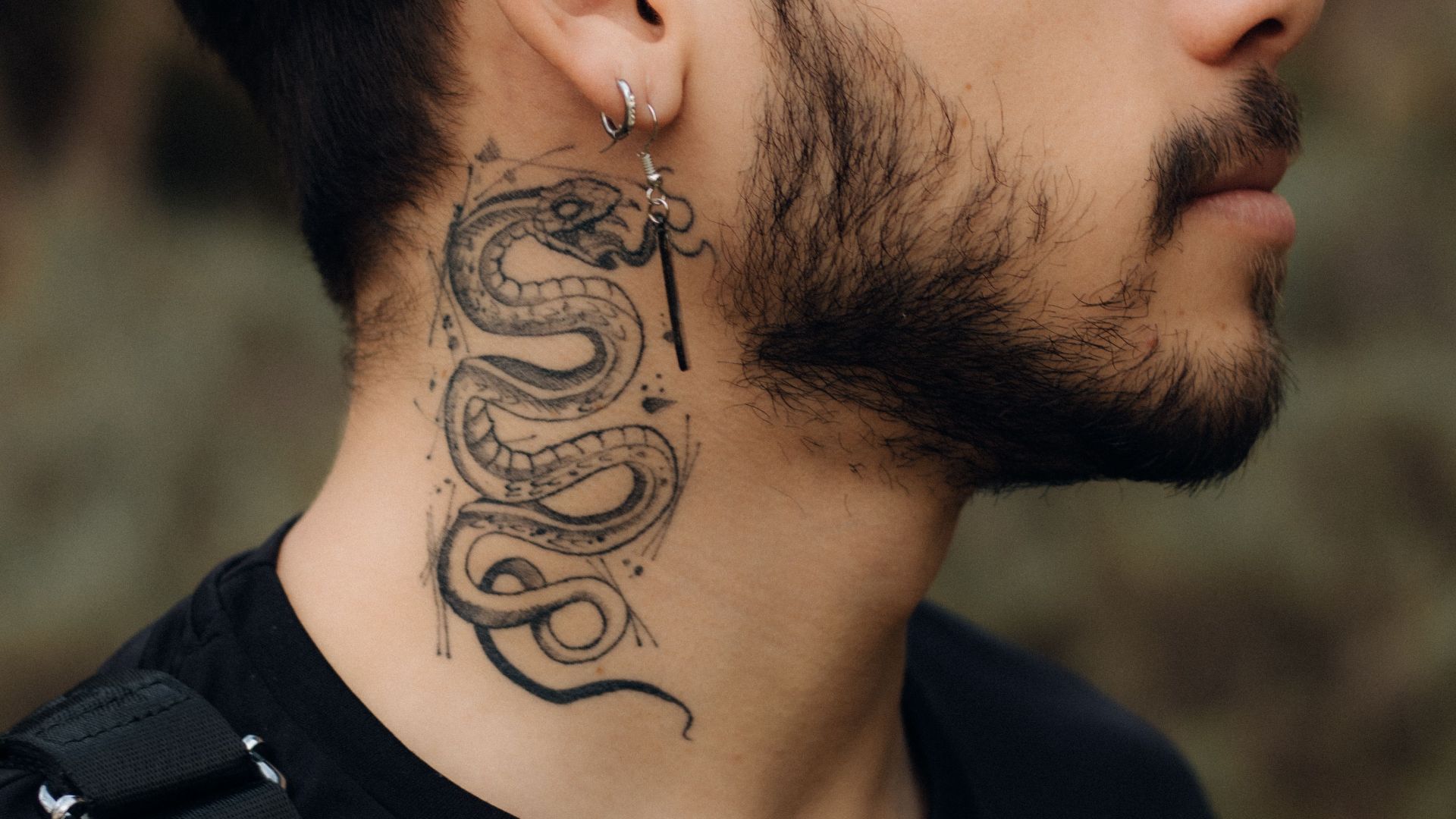
3. Dagger Tattoos
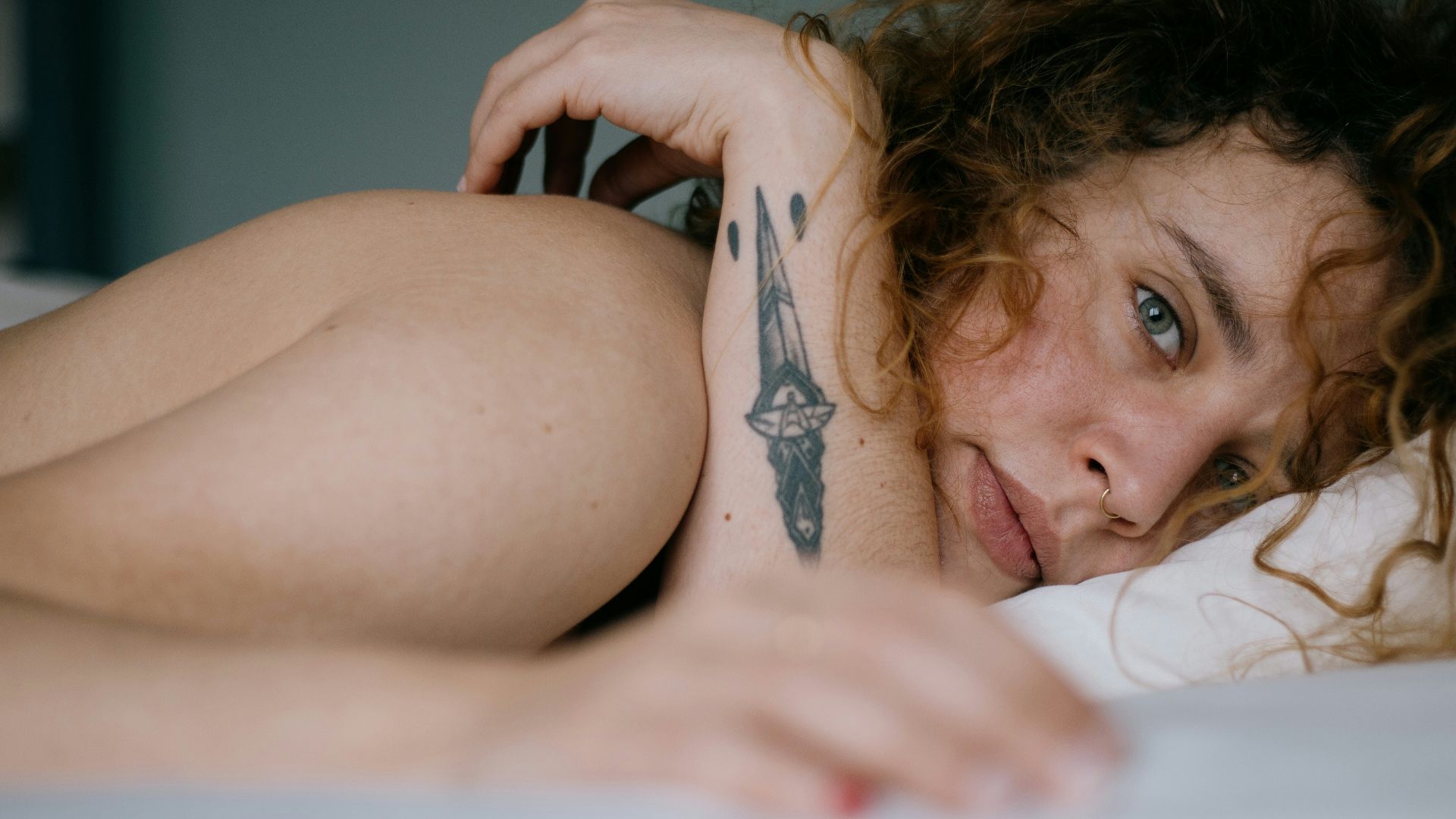
A dagger tattoo used to look unmistakably tough and could easily be interpreted as a symbol of violence or danger. Traditional tattoo culture often paired daggers with hearts, roses, snakes, or skulls, which added to their rebellious image. Over time, the design became a classic part of old-school tattooing; people now get them for their visual style, not because they want to communicate anything sinister.
4. Pin-Up Girl Tattoos
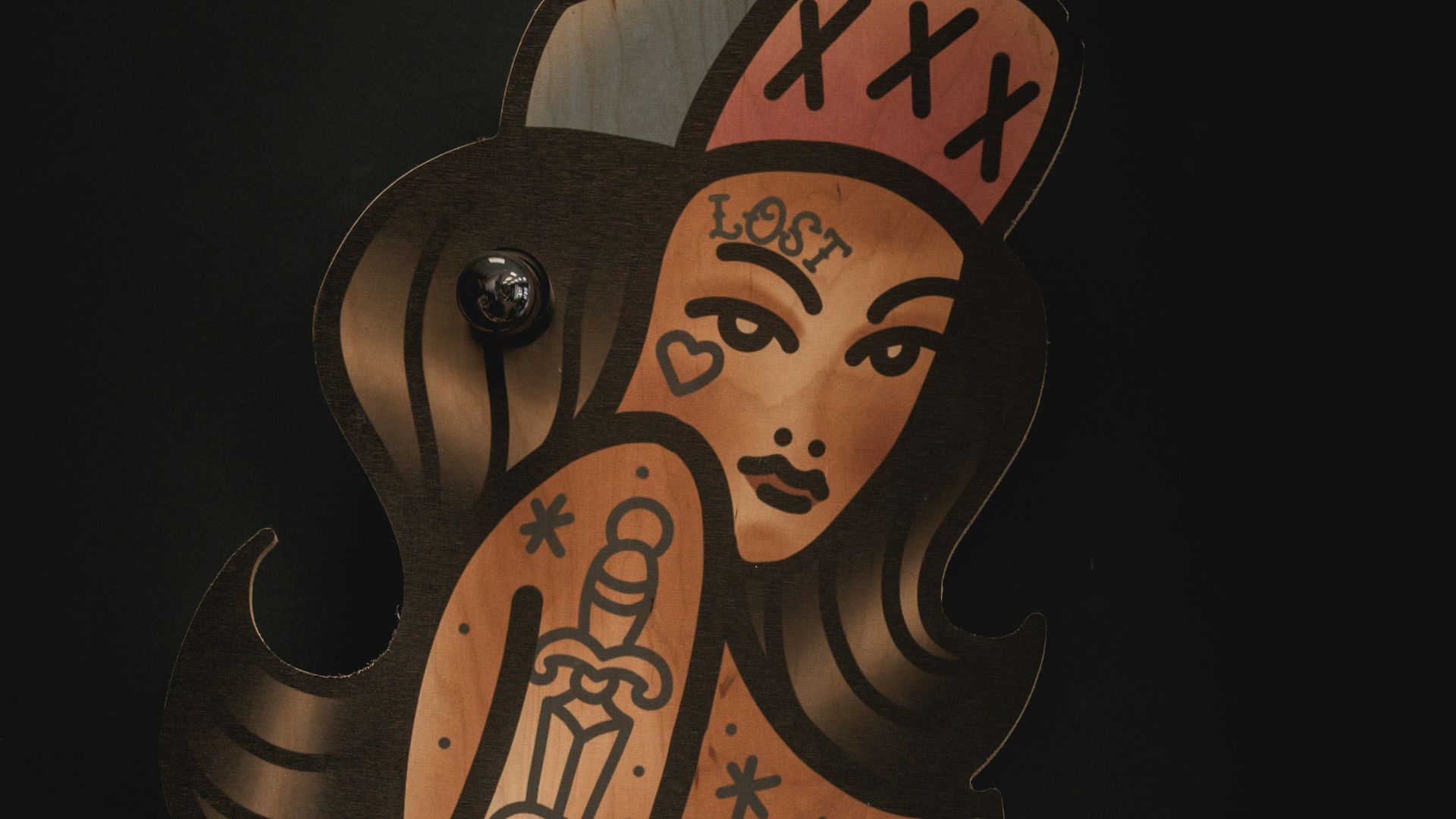
Pin-up girl tattoos once seemed highly provocative because they openly celebrated sexuality at a time when that kind of imagery was considered far less acceptable. Sailors and servicemen helped popularize them, and the designs became closely associated with masculine tattoo culture. Today, vintage pin-up art is often appreciated for its retro style and bold colors. The design can still be playful and suggestive, but it doesn't carry the same shock value it once did.
5. Barbed Wire Tattoos
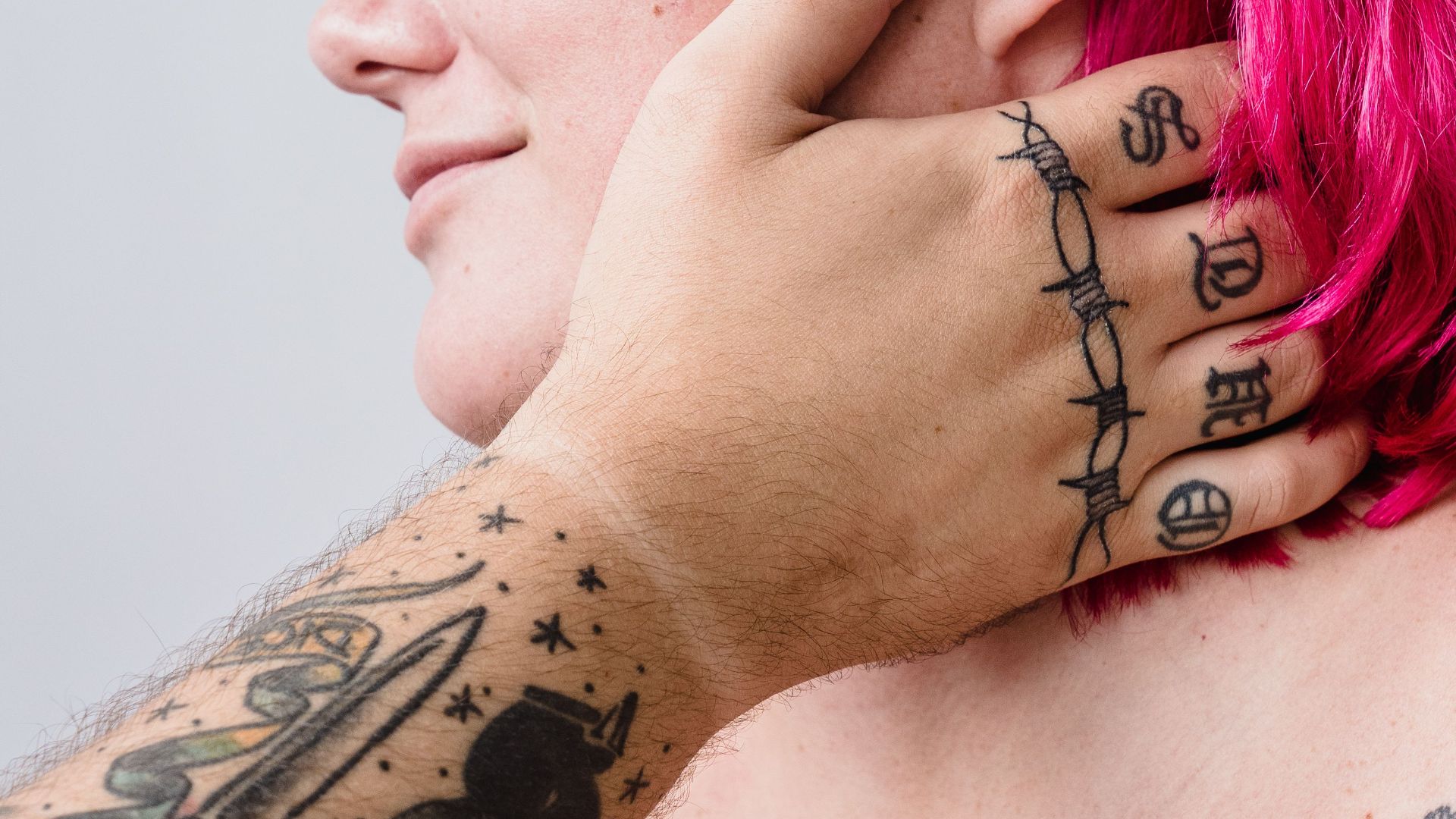
Barbed wire tattoos had a rough reputation when they became popular, largely because the design was linked with toughness, prison culture, and aggressive masculinity. During the 1990s, the style spread quickly and became one of the era's most recognizable tattoo trends. Now, barbed wire has returned in newer styles that can look minimalist, decorative, or intentionally old-school.
6. Tribal Tattoos
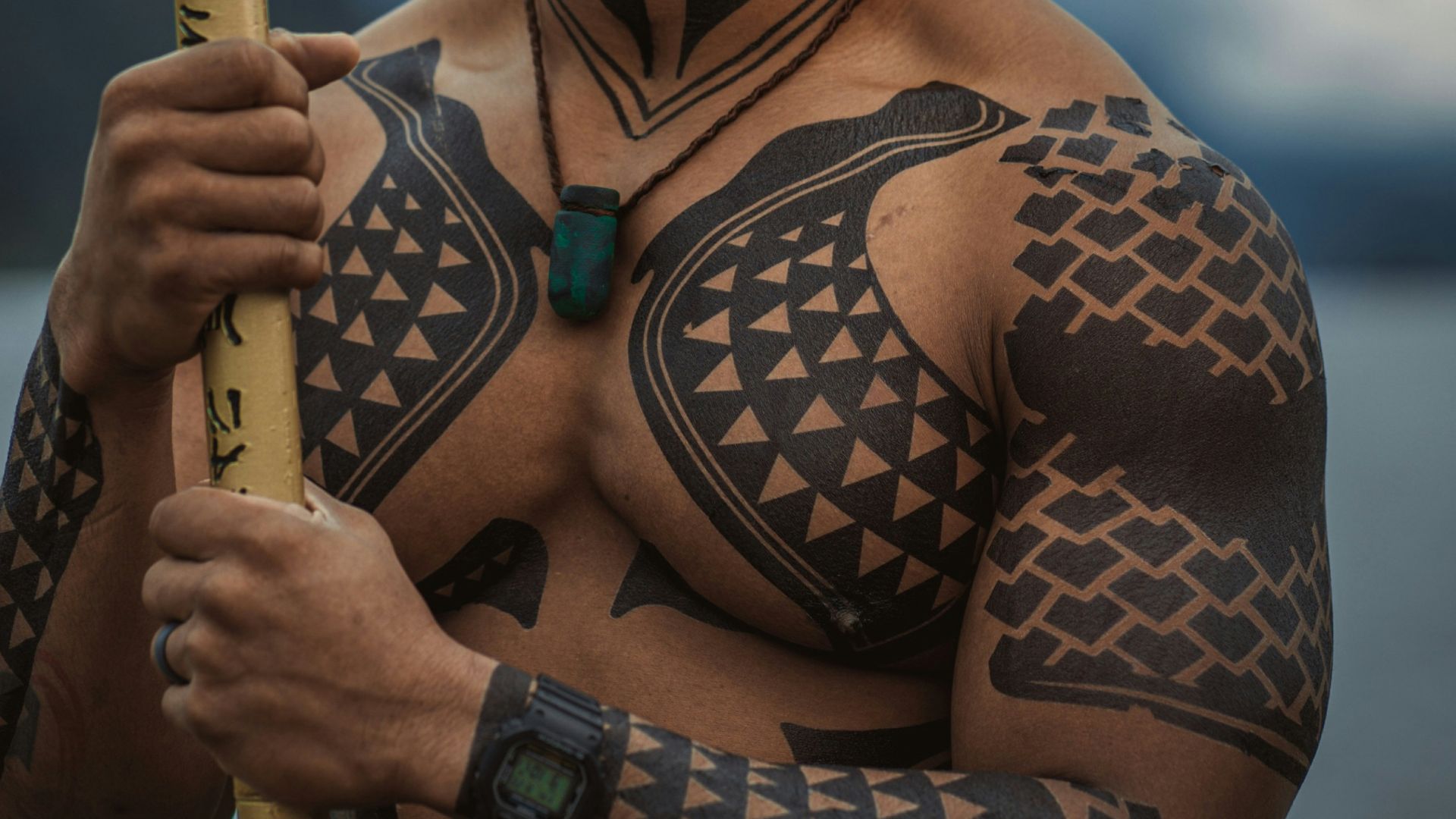
Tribal tattoos were once seen as bold, rebellious body art, especially when large black patterns began appearing throughout Western tattoo culture. They became hugely popular in the 1990s and early 2000s, which eventually made them far more familiar than shocking. Today, the look is still around, but many people are more careful about distinguishing generic blackwork from culturally significant Indigenous tattoo traditions.
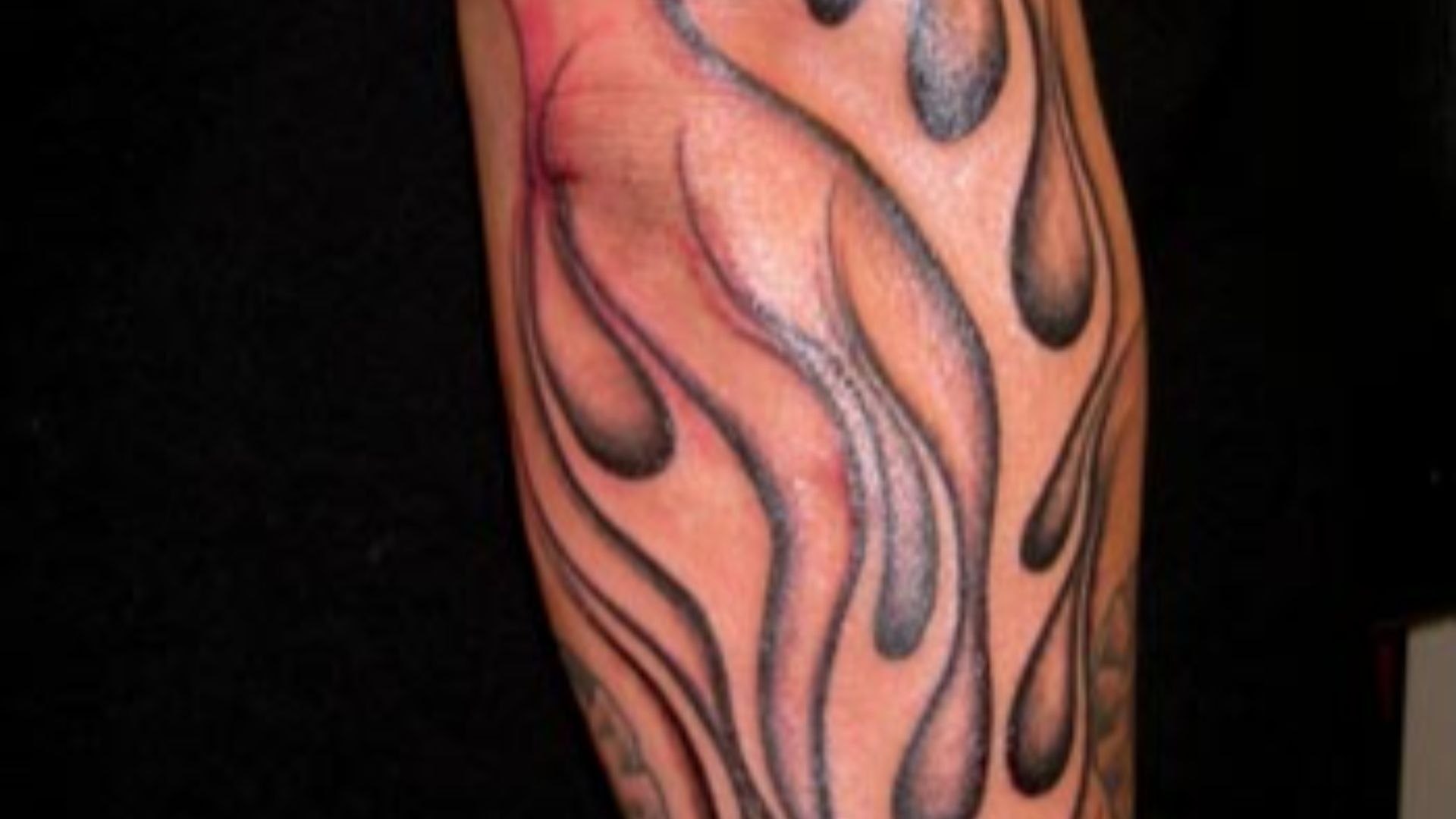
7. Flame Tattoos
Flames used to be a go-to tattoo for anyone who wanted to project a wild, rebellious image. They were closely associated with hot rods, motorcycles, rock and roll, and the idea of living fast. Because the design became so widespread, it gradually lost much of its original edge, and flame tattoos now show up in everything from tiny minimalist pieces to colorful throwback designs.
8. Spiderweb Tattoos
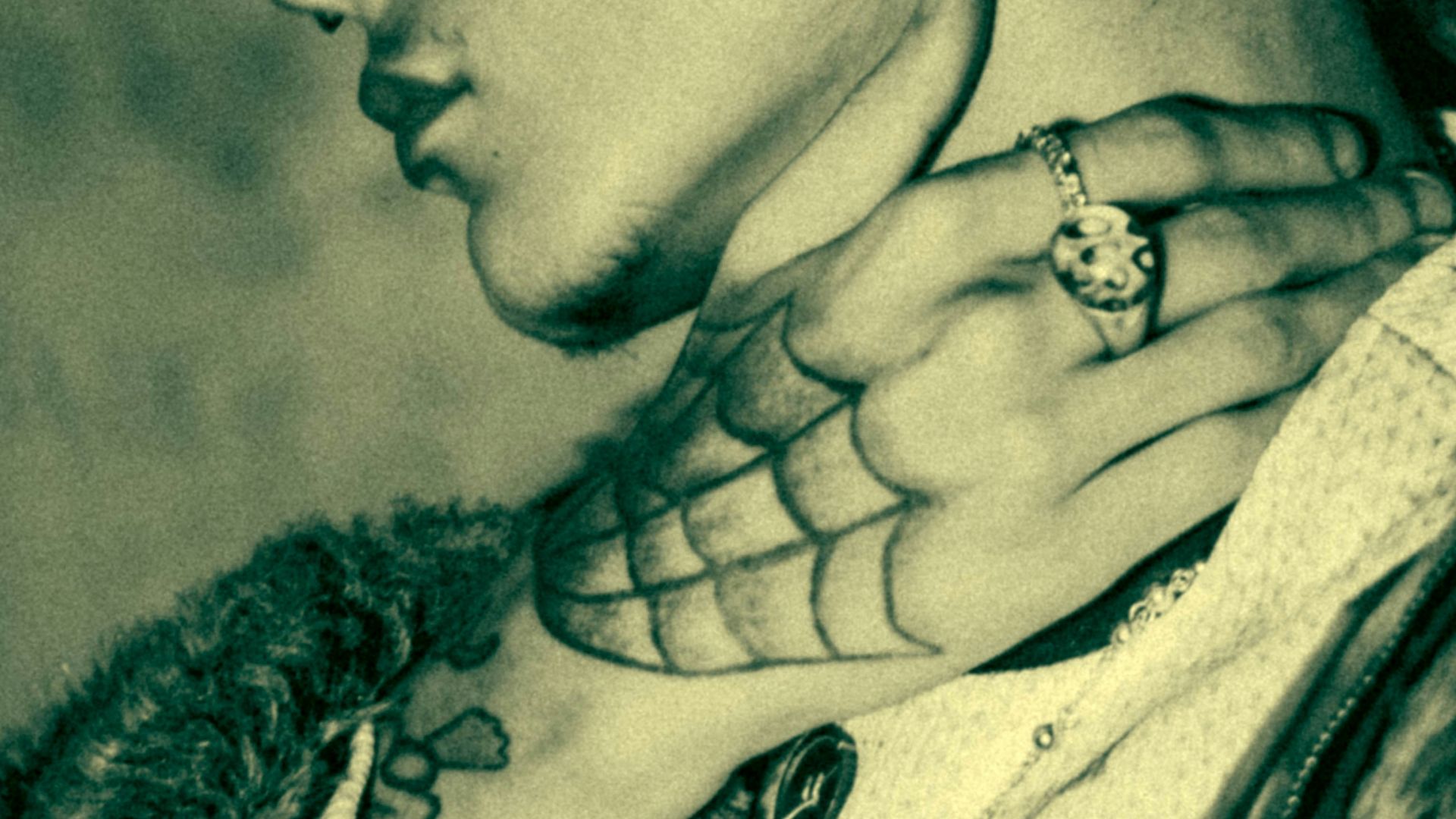
Spiderweb tattoos once carried a much heavier reputation because they were strongly associated with prison culture and criminal imagery. That history made people cautious about the design, but over time, tattoo artists began using webs as decorative elements in traditional and gothic pieces more because they fit a certain aesthetic than any other reason. They're now common enough that context matters much more than the image itself.
9. Rose Tattoos
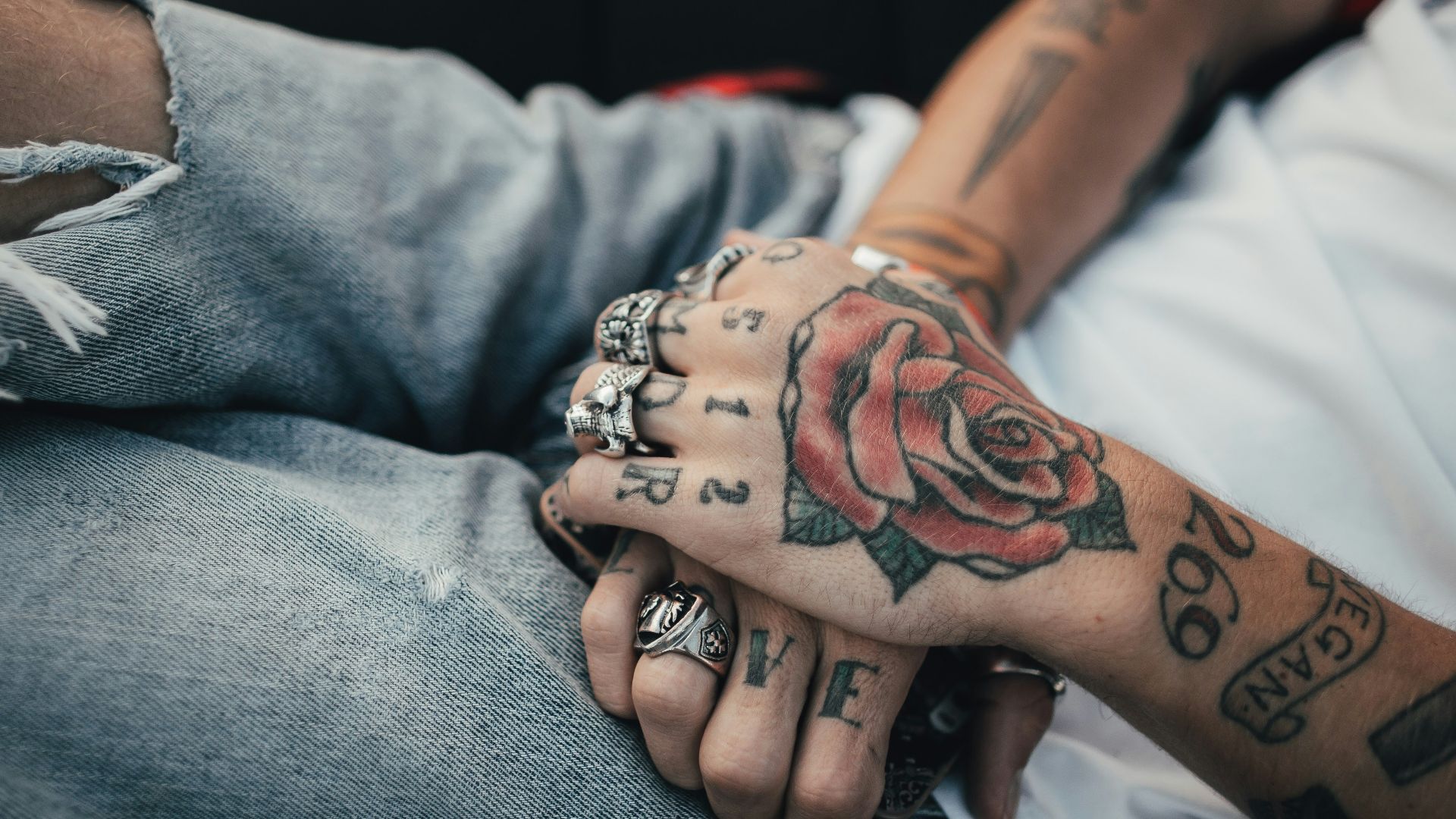
Roses may seem timeless and romantic now, but they were once closely tied to traditional tattoo culture, sailors, soldiers, and bikers. A bold red rose paired with a banner, dagger, or skull could look distinctly rebellious to earlier generations. As tattooing became more mainstream, roses spread into nearly every style imaginable. You can find them in realistic, minimalist, blackwork, watercolor, and old-school designs without anyone raising an eyebrow.
10. Dragon Tattoos
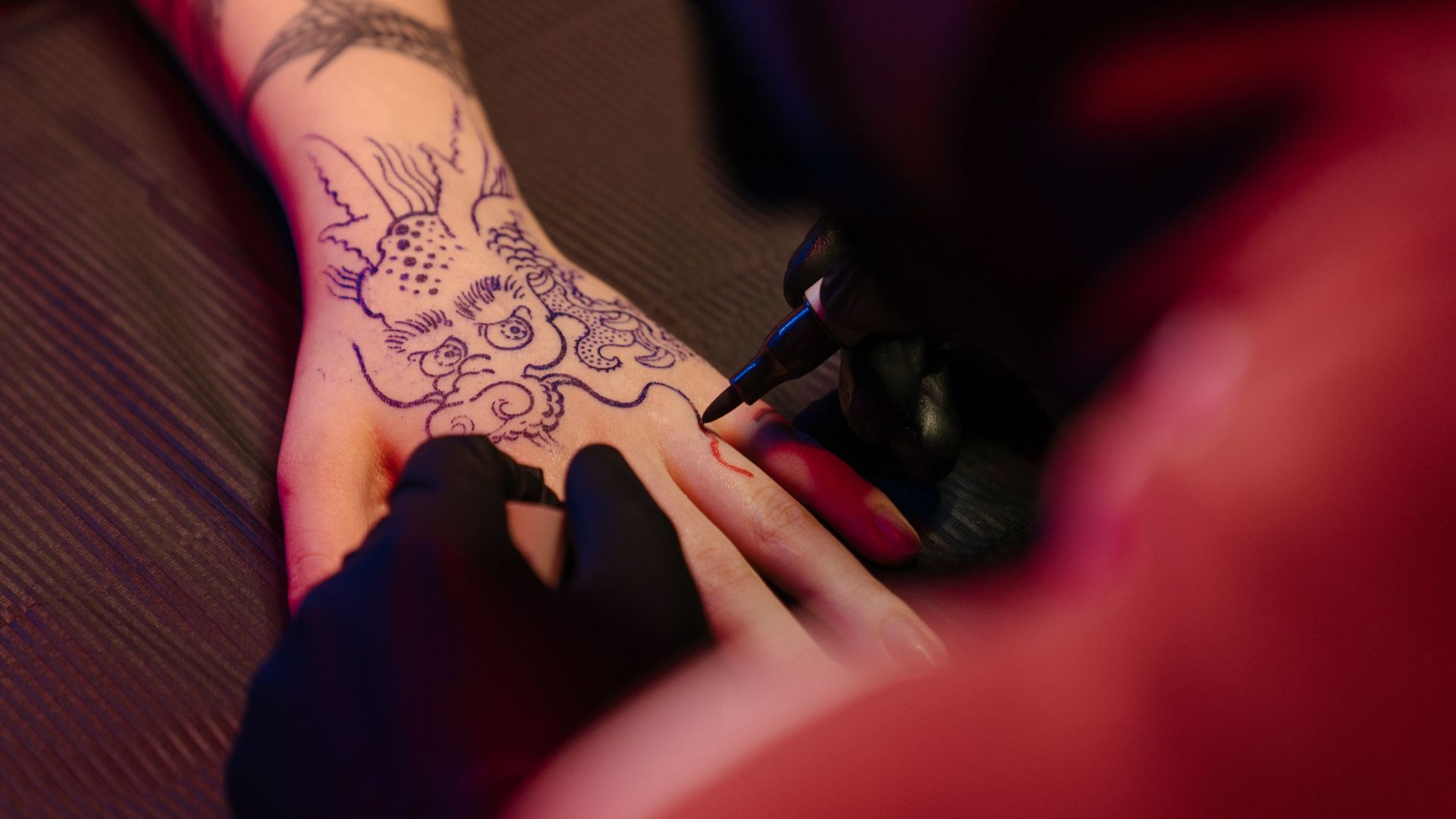
Dragon tattoos used to feel especially bold because they were large, dramatic, and strongly associated with tattoo subcultures. Western audiences often viewed them as exotic or intimidating, particularly when they covered a significant area of the body. Their popularity grew through traditional Japanese-inspired artwork, fantasy culture, and mainstream media, and they're now a familiar tattoo choice.
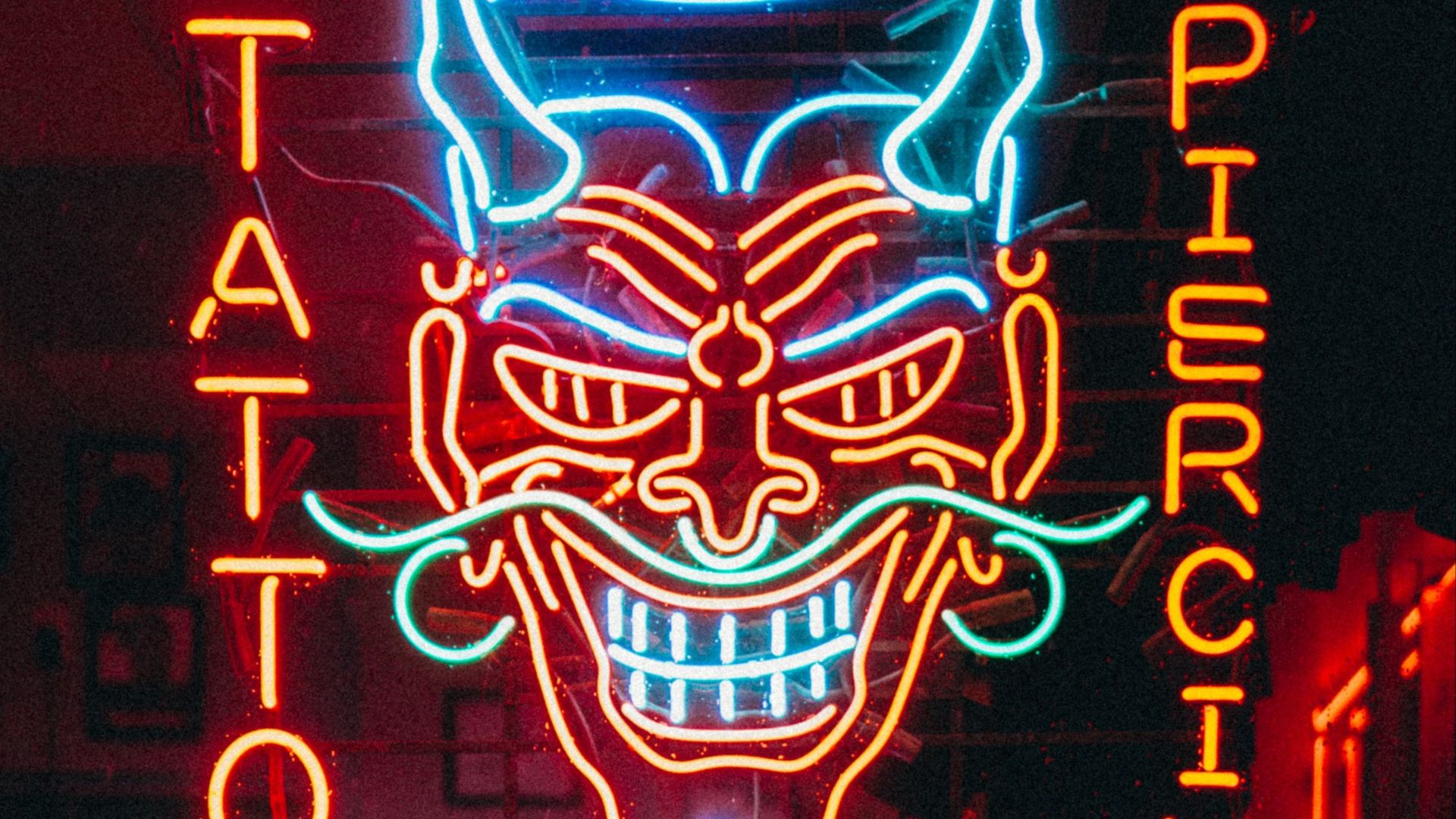
11. Devil Tattoos
Devil tattoos once had an obvious ability to provoke, particularly in communities where religious symbolism was taken seriously. Horned figures, pitchforks, and demonic faces could easily be interpreted as deliberately offensive or rebellious. Modern tattoo culture often treats these images more lightheartedly. A little red devil can now come across as cheeky rather than genuinely scandalous.
12. Heart-and-Dagger Tattoos
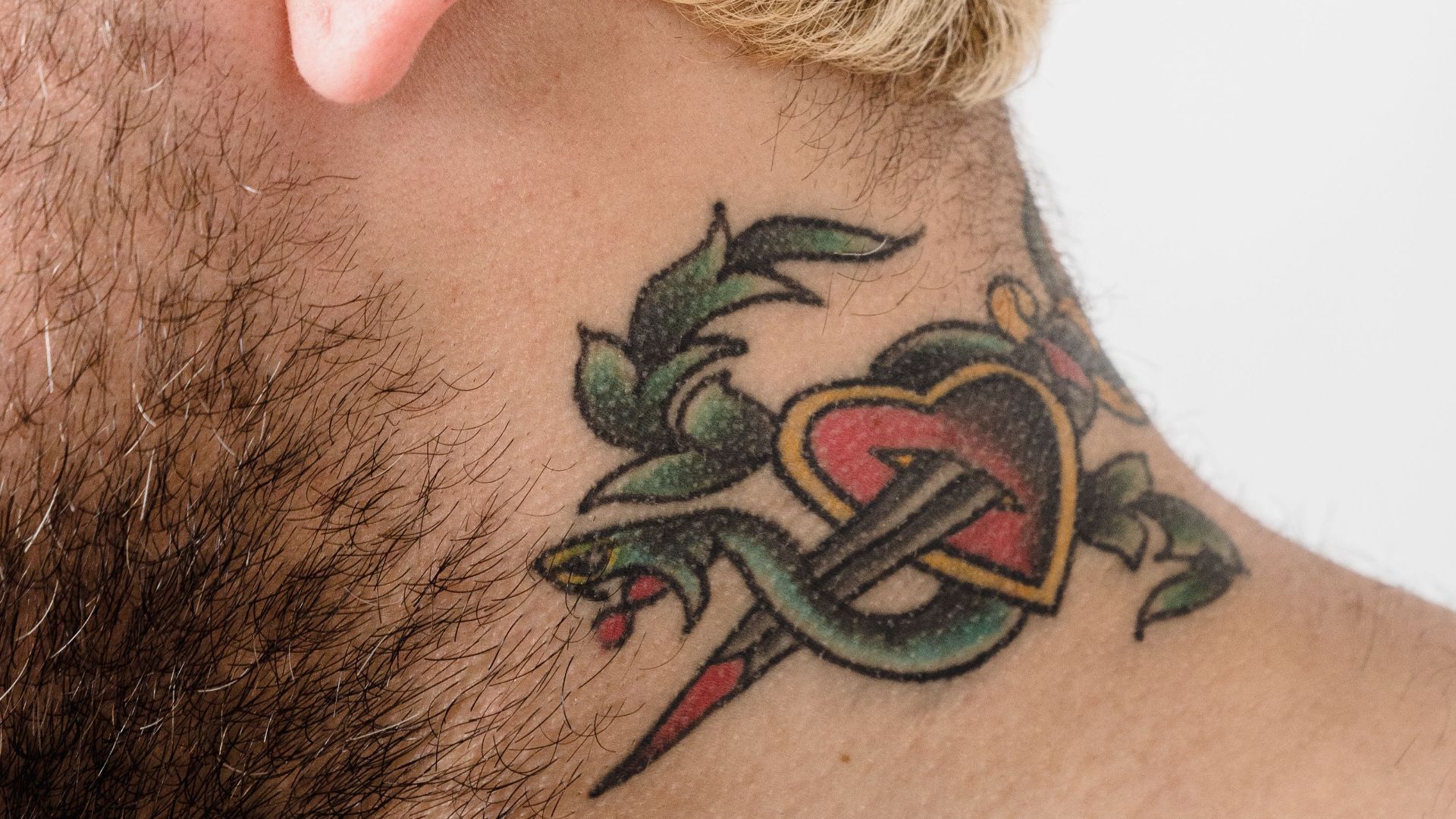
A heart pierced by a dagger once looked dark, dramatic, and emotionally intense. The design often symbolized heartbreak, betrayal, loss, or painful love, which gave it a more rebellious feel than a simple heart tattoo. Traditional tattoo artists helped turn it into one of the most recognizable old-school motifs. Today, it's considered a classic design.
13. Panther Tattoos
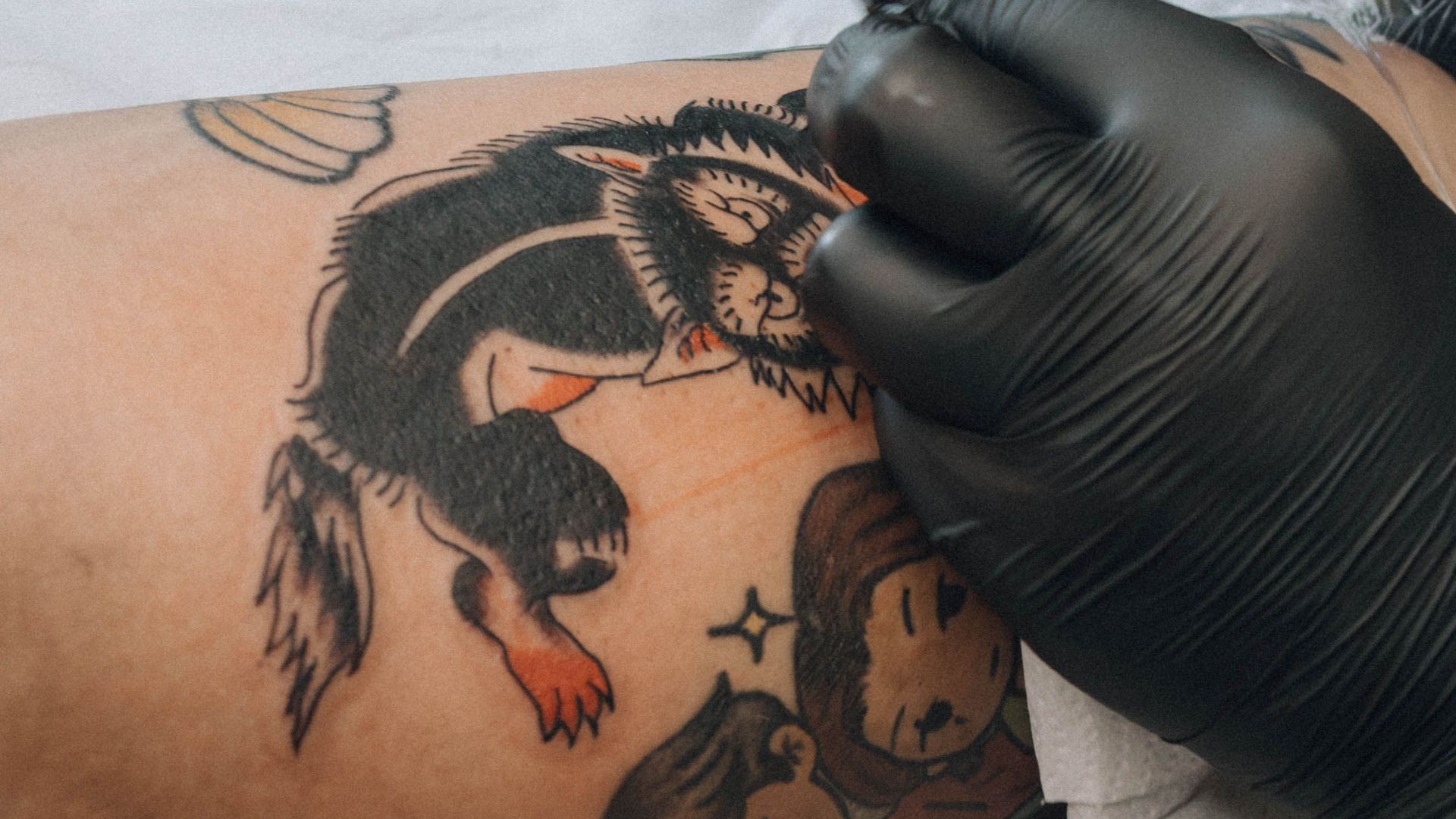
Crawling black panthers became iconic in traditional tattooing because they looked fierce, energetic, and undeniably tough. The design was especially popular among people who wanted their tattoos to project strength and fearlessness. Today, you'll now see them on tattoo fans who are drawn to vintage flash rather than trying to intimidate anyone.
 Mayara Caroline Mombelli on Pexels
14. Grim Reaper Tattoos
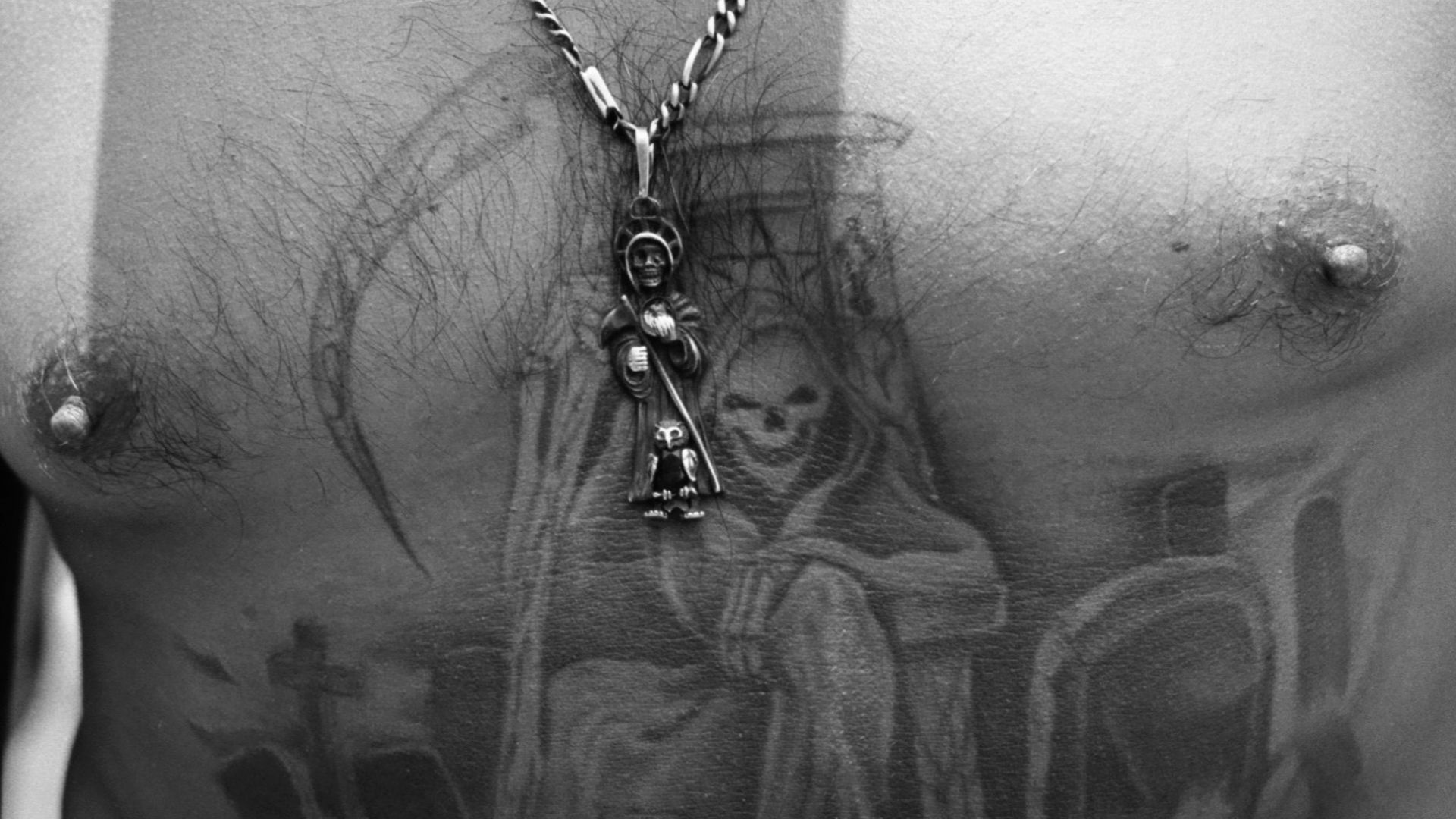
The Grim Reaper once seemed like an especially grim choice for permanent body art. With a hooded skeleton, scythe, and obvious connection to death, the image could make a tattoo wearer seem unusually dark, morbid, or even murderous. Tattoo culture has since embraced death-related imagery as a common artistic theme. Reapers now range from frighteningly detailed pieces to playful cartoon versions that don't take themselves too seriously.
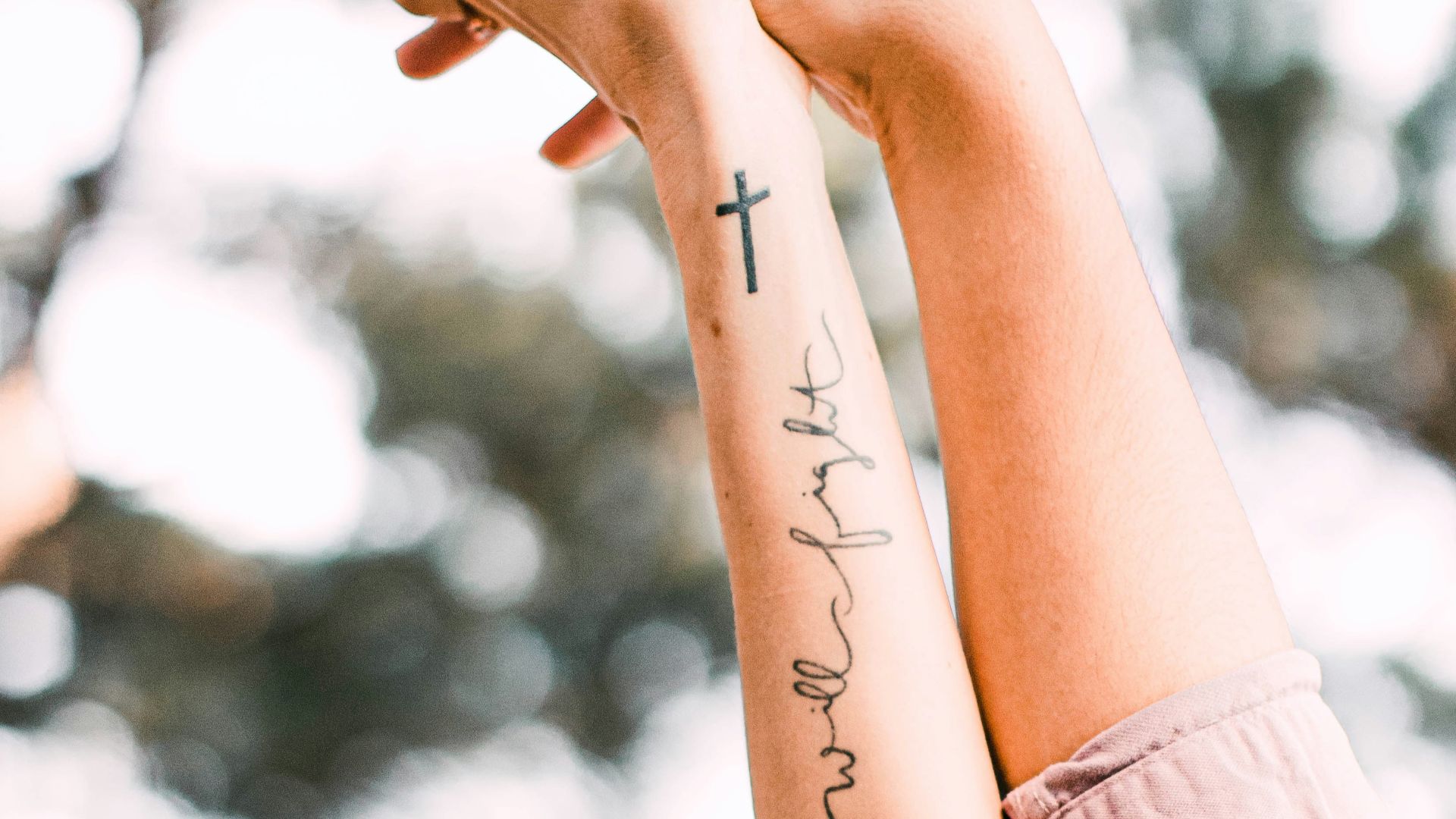
15. Cross Tattoos
Cross tattoos have had a complicated history because they're both religious symbols and longstanding fixtures of tattoo culture. In some communities, permanently tattooing sacred imagery was once viewed as inappropriate or disrespectful, even when the wearer was religious. As tattoos became more socially accepted, crosses became one of the most common ways people expressed faith, remembrance, or personal meaning.
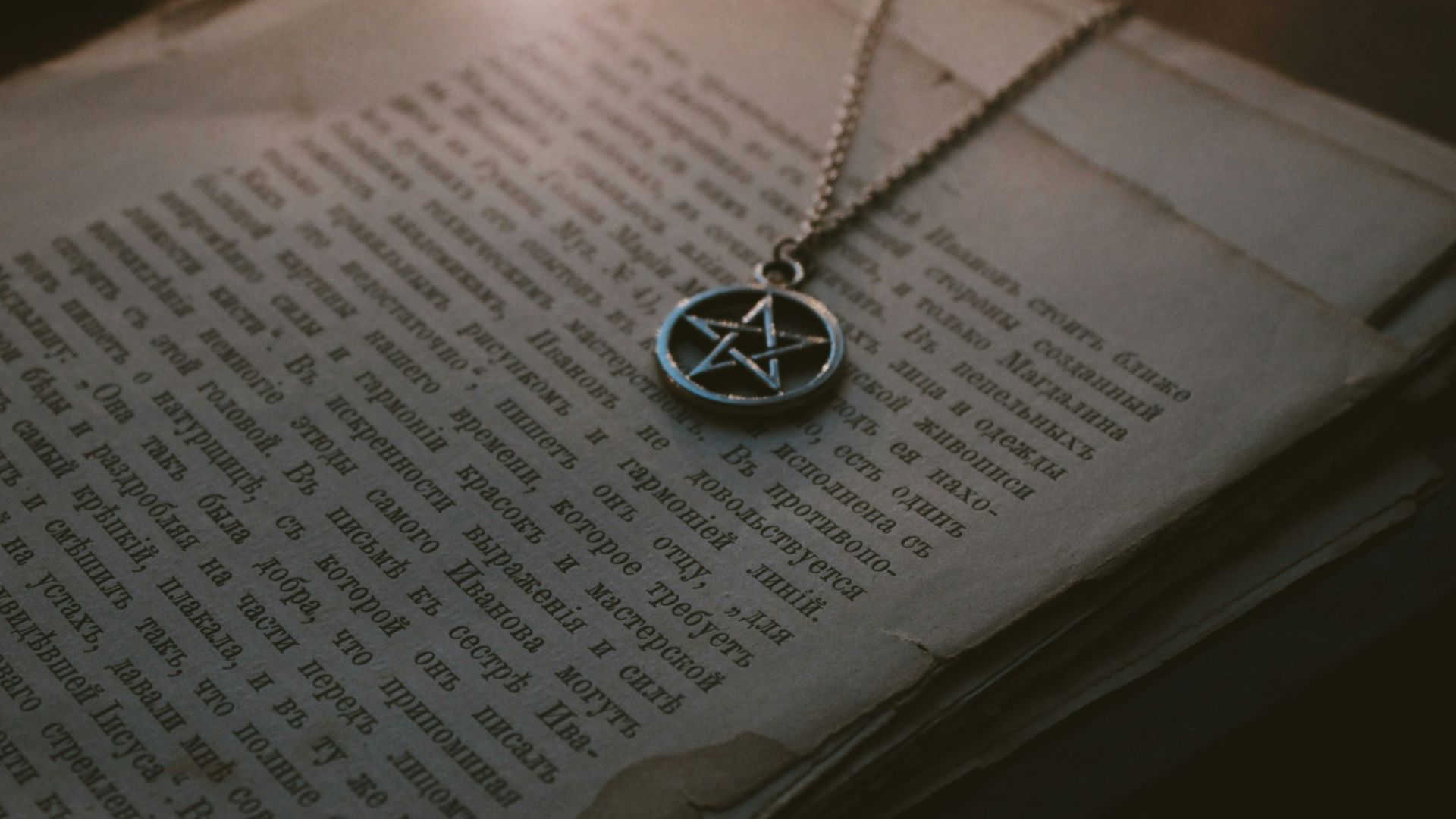
16. Pentagram Tattoos
Pentagram tattoos once had a reputation for being deeply provocative because many people associated the symbol with Satanism, witchcraft, or anti-religious beliefs. In more conservative communities, wearing one could easily attract outright disapproval. As occult imagery became more common in fashion, music, and tattoo culture, the symbol lost much of its ability to shock, and today, pentagrams are more often chosen for their gothic style or to convey an interest in mystical imagery.
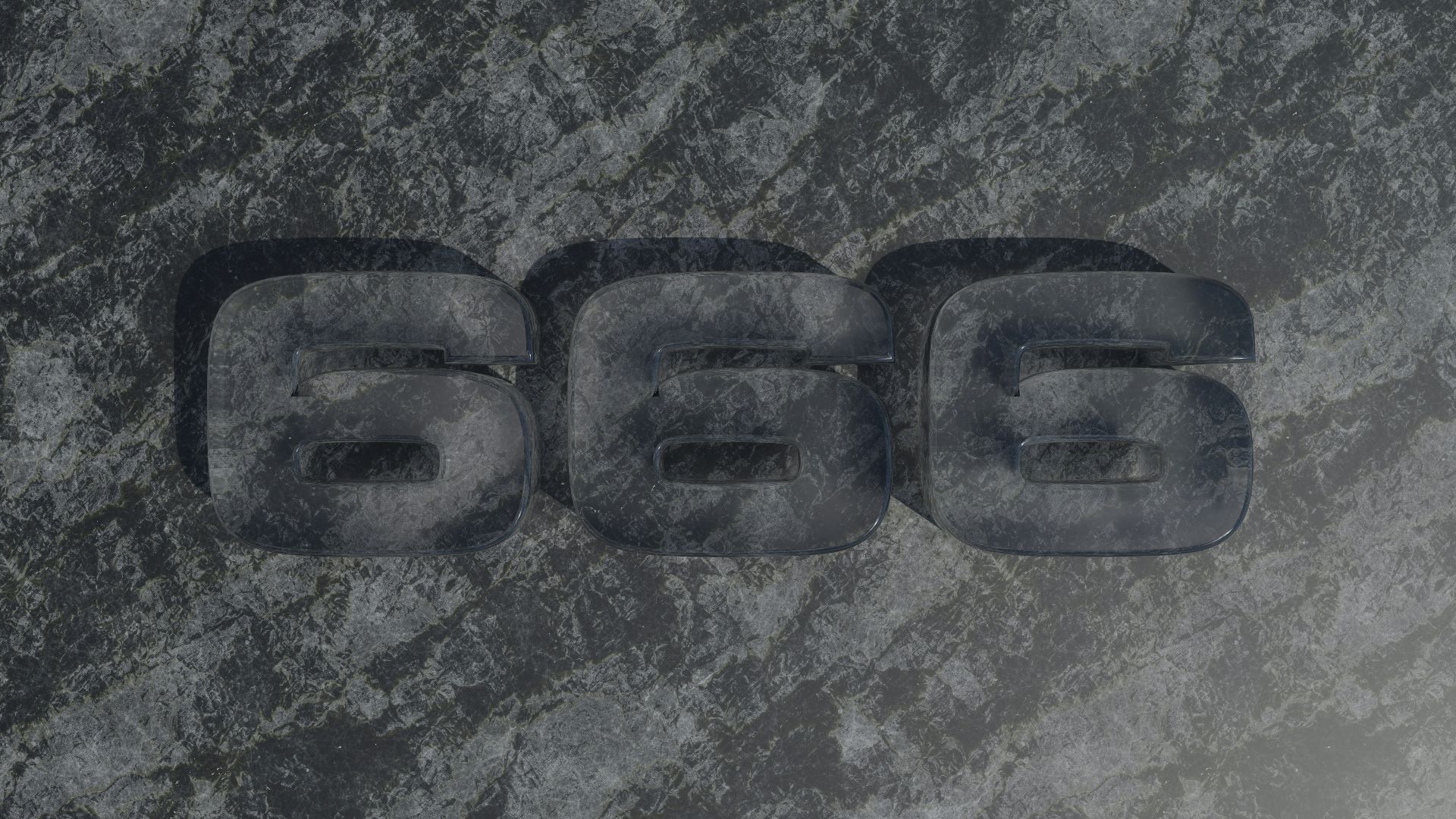
17. 666 Tattoos
Few tattoo designs were once as guaranteed to upset people as the number 666. Its strong association with the “number of the beast” made it a favorite symbol for people who wanted to appear rebellious, anti-establishment, or deliberately provocative. Over time, the number became so common in metal culture, horror imagery, and alternative fashion that its shock value faded considerably.
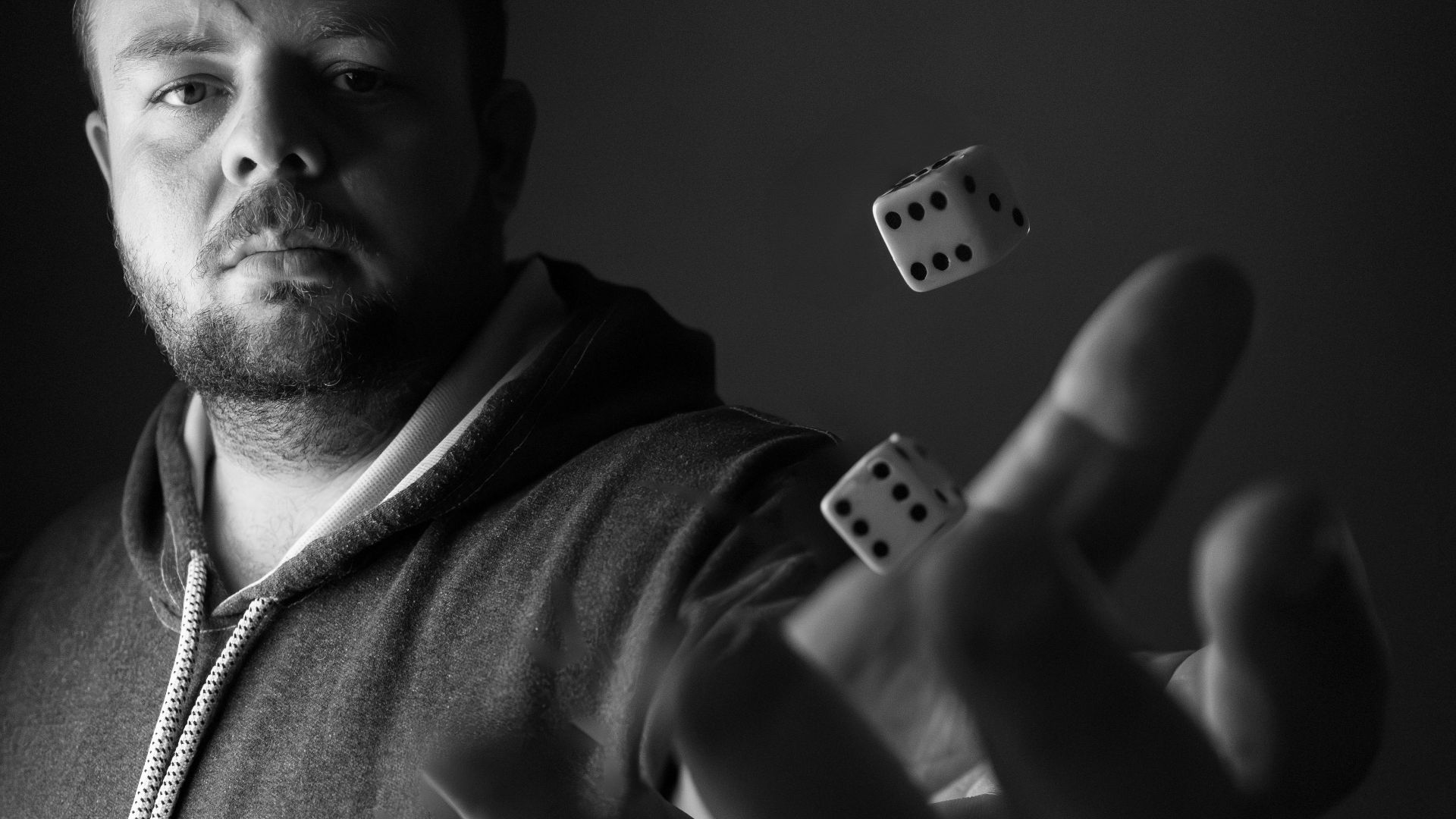
18. Dice Tattoos
Dice tattoos used to suggest gambling, risk-taking, and a willingness to live outside conventional rules. They were often paired with cards, flames, money, or lucky symbols, which strengthened their association with vice and rebellion. Eventually, the imagery became a standard part of traditional tattoo flash, and it can now represent luck, chance, or simply an appreciation for classic tattoo design.
19. Nude Figure Tattoos
Nude figure tattoos were once especially scandalous because they combined permanent body art with imagery that many people considered indecent. Modern tattooing has made artistic nudity much more familiar, particularly in fine-line, classical, and illustrative styles. A tasteful nude figure can now be treated more like artwork than an attempt to offend anyone.
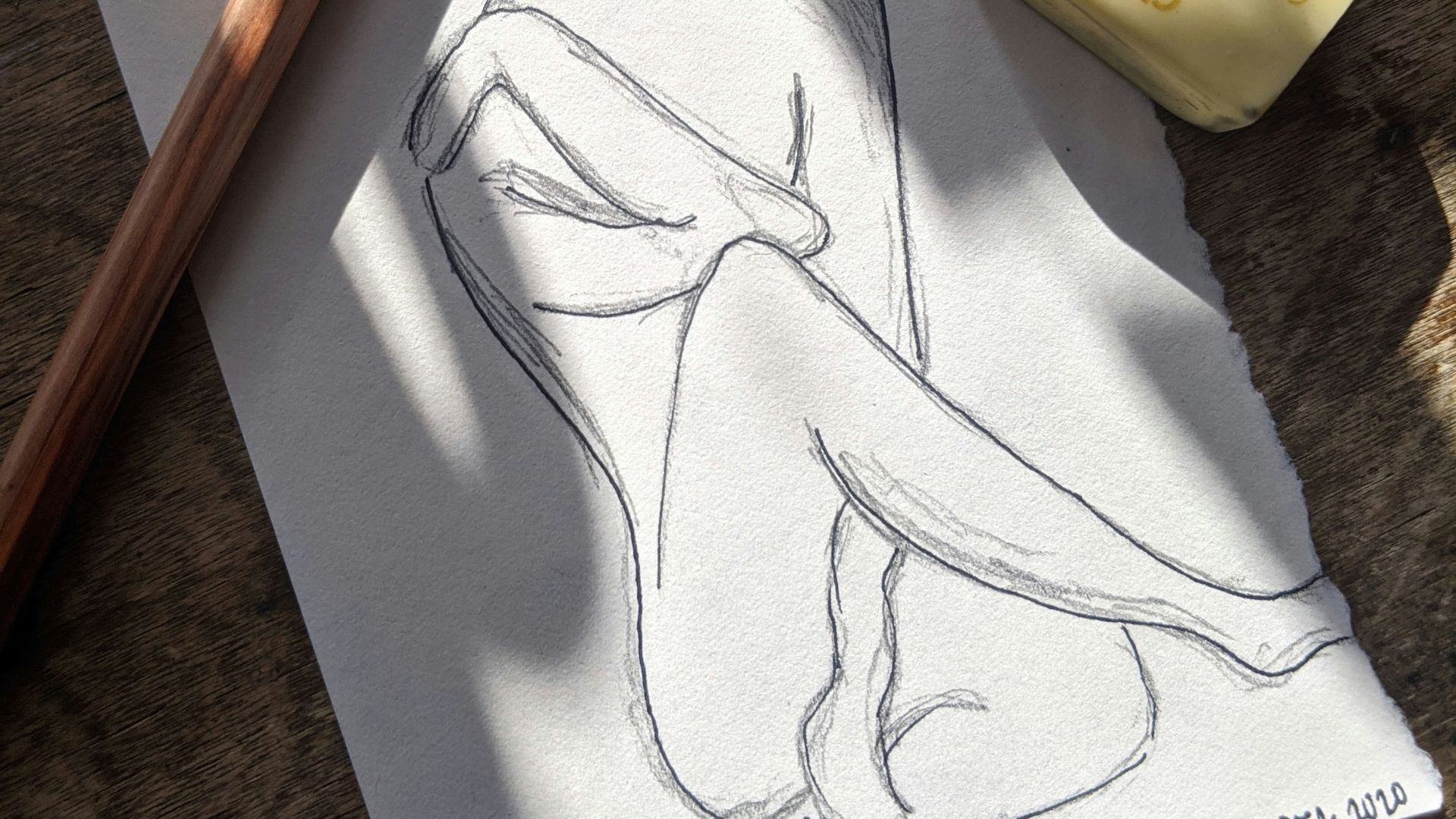 Sadie Esch-Laurent on Unsplash
20. 13 Tattoos
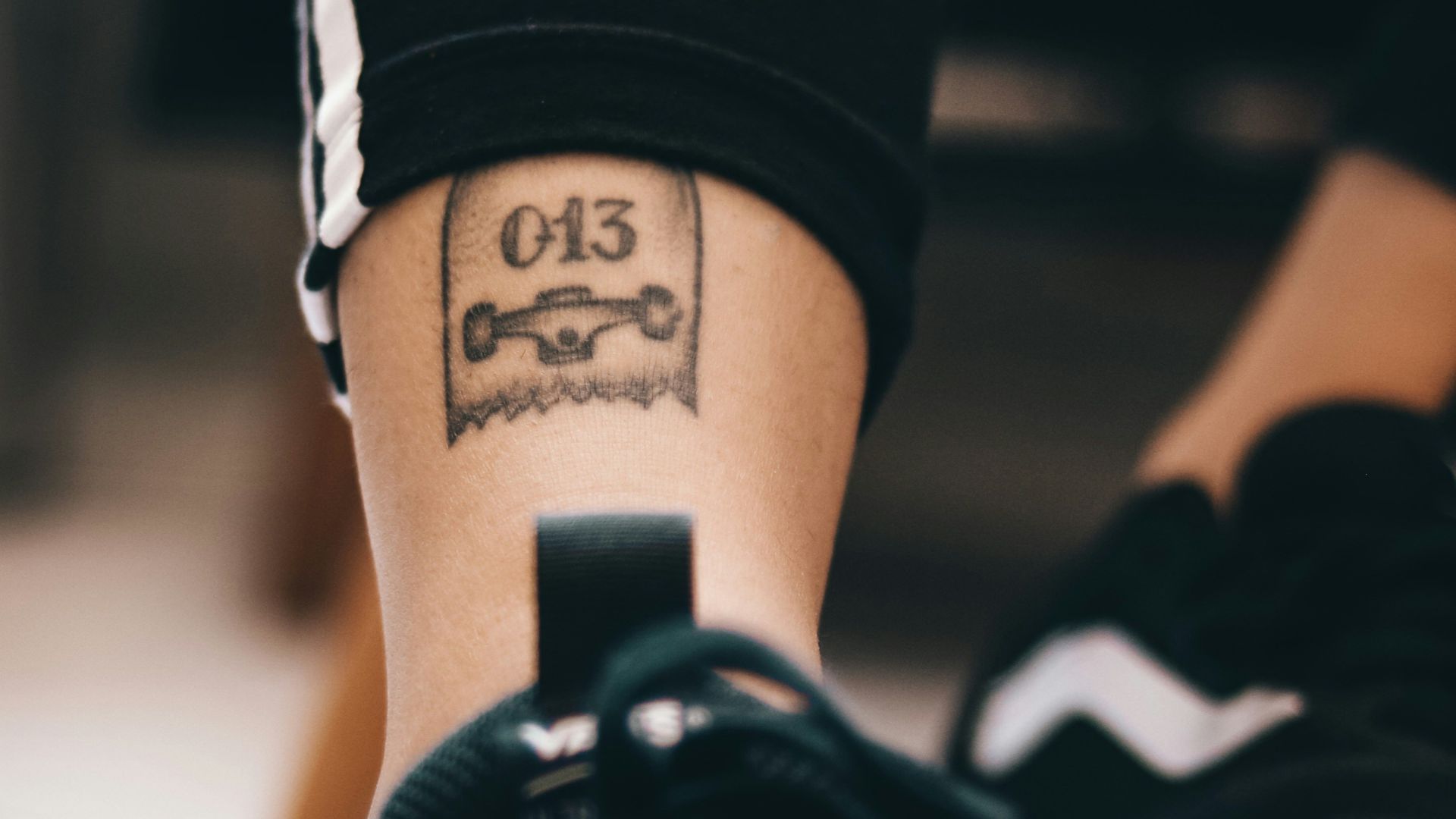
The number 13 was once a deliberately provocative tattoo because it played on one of the most familiar symbols of bad luck, and, in some cultures, it even represented an affiliation with certain gangs. Within traditional tattoo culture, however, it was historically used as an ironic good-luck charm. These days, 13 tattoos are common enough to appear as tiny minimalist designs, Friday the 13th flash pieces, or personal lucky numbers without causing much concern.