No More Hair Loss
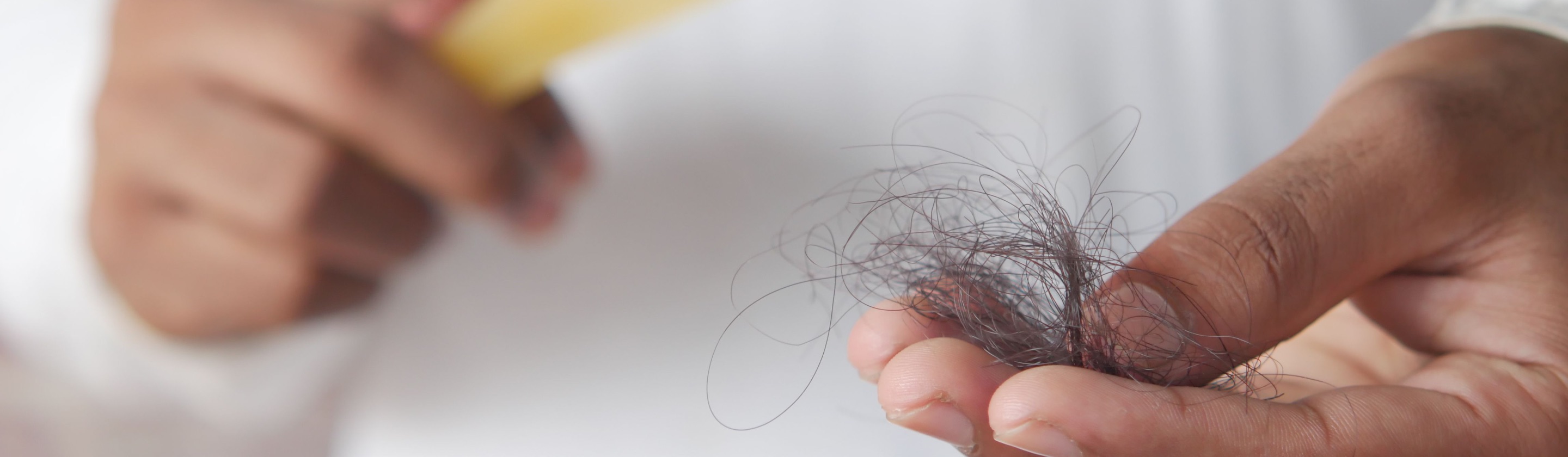
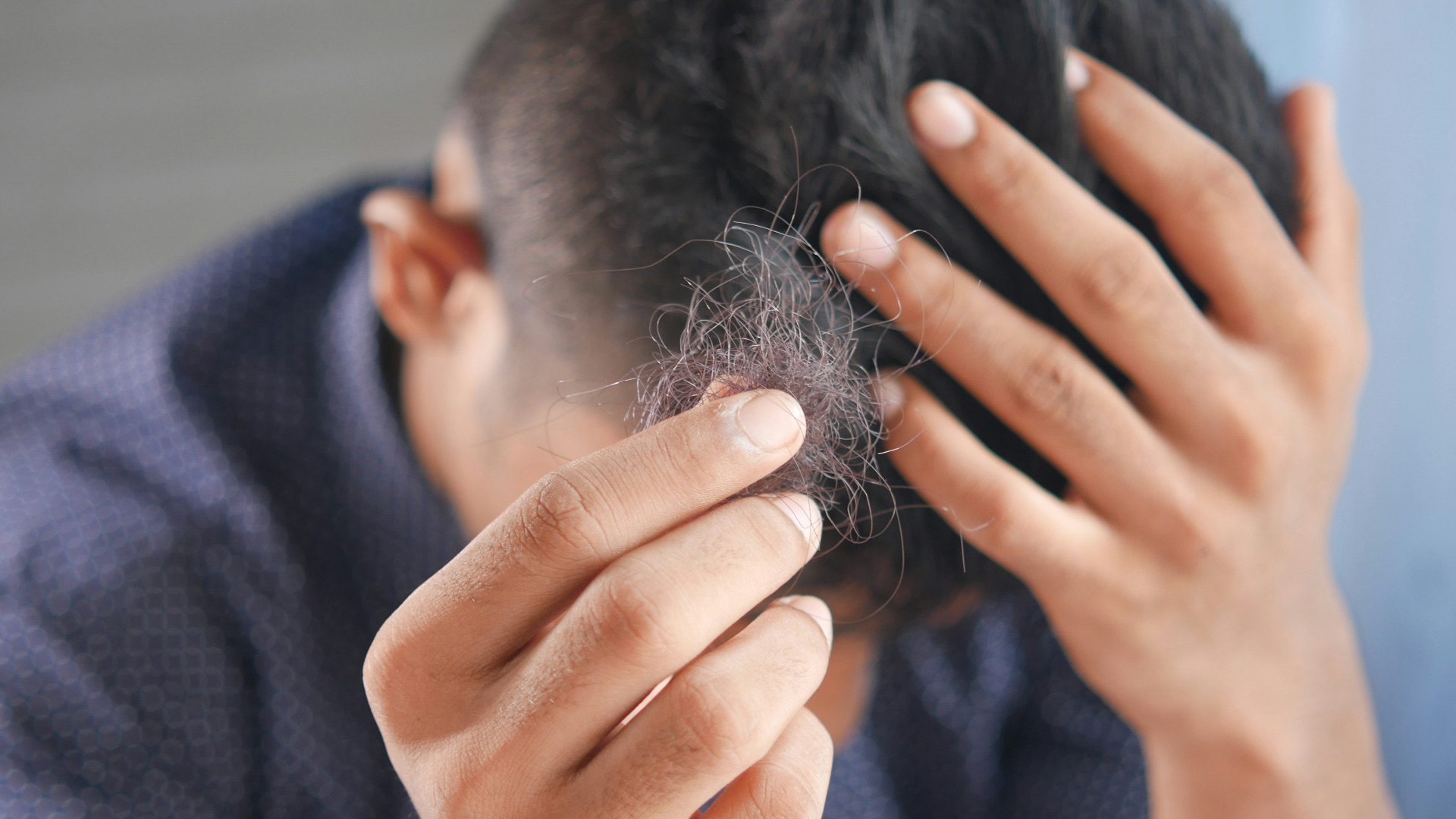
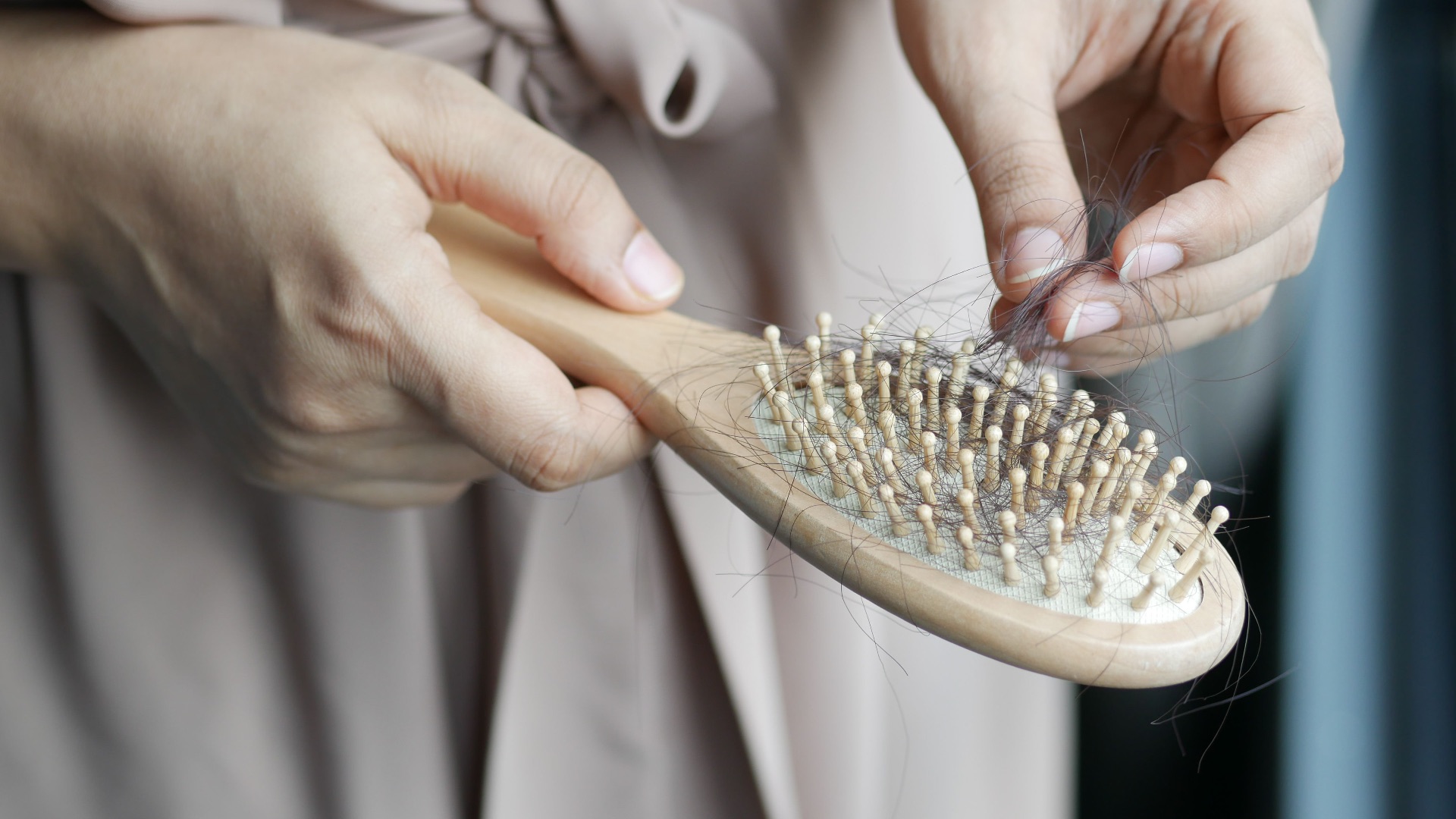
Have you been noticing more hair in the shower? Or on your pillow after a night of tossing and turning? Or maybe even when just combing through your locks with your fingers? Uh-oh, those aren't good signs, and you know it. But before you start putting just anything on your scalp or self-diagnosing yourself, you should take a smarter approach. Remember, hair loss has many possible causes, including genetics, hormonal changes, certain medical conditions, medications, nutritional deficiencies, stress, and yep, even damaging hair-care practices (no more Ariana Grande ponytail, ladies). If you don't want to make a bad situation worse, here are 10 things you shouldn't do, and 10 better tips to follow to get your luscious locks back.
1. Wearing Tight Hairstyles Every Day
Frequently pulling your hair into tight braids, buns, ponytails, or extensions places repeated tension on the follicles. Over time, this can contribute to traction alopecia, particularly around the hairline and temples. Continuing after you notice tenderness, bumps, or broken hairs raises the risk that some loss could become permanent.

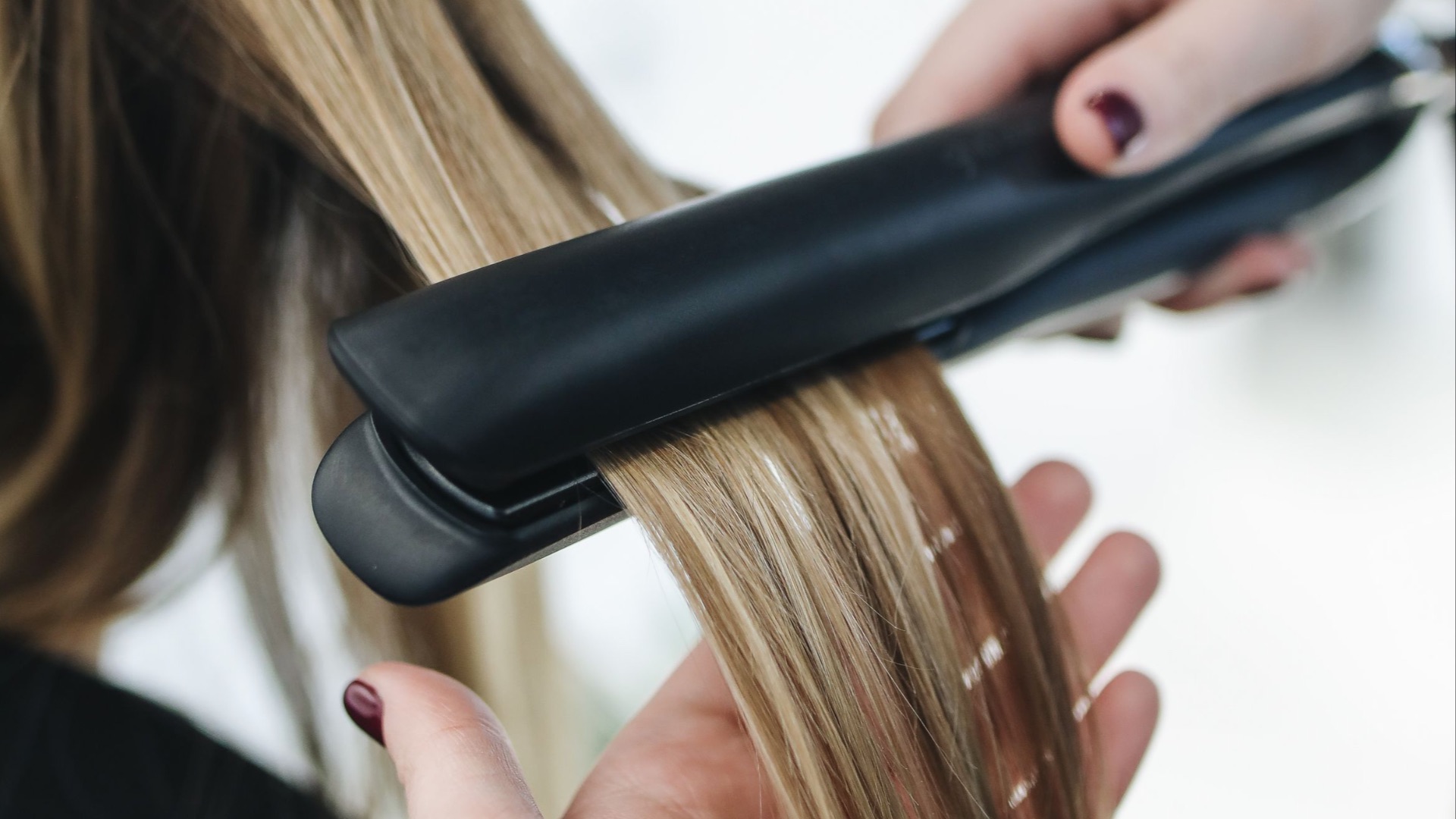
2. Turning Up the Heat on Styling Tools
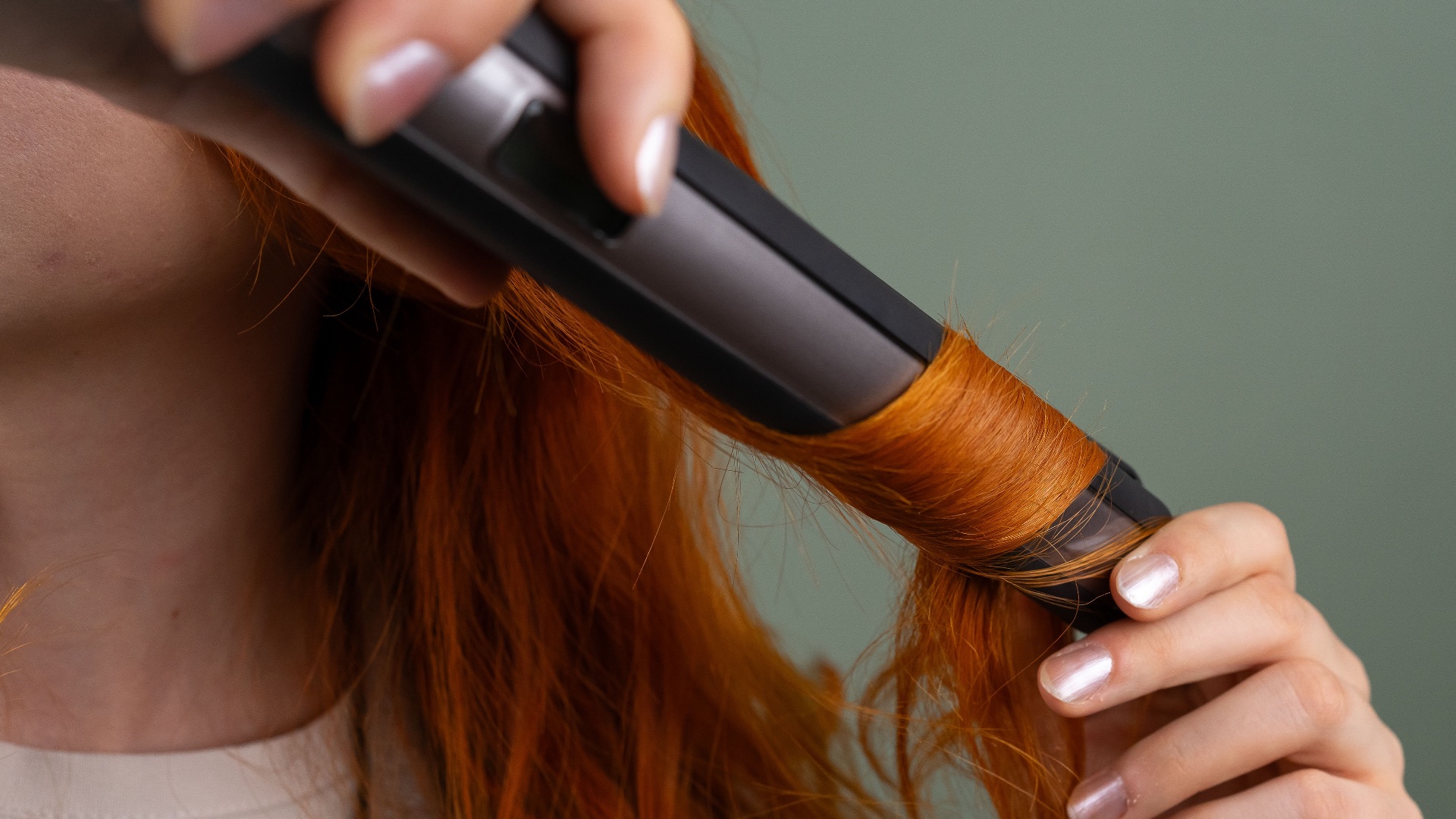
Flat irons, curling wands, and very hot blow-dryers can weaken the hair shaft, especially when they’re used daily. Heat damage doesn’t usually cause genetic baldness, but it can increase splitting and breakage, making thinning hair appear noticeably sparser. Repeatedly going over the same section at a high temperature compounds the damage.
3. Brushing or Combing Too Aggressively
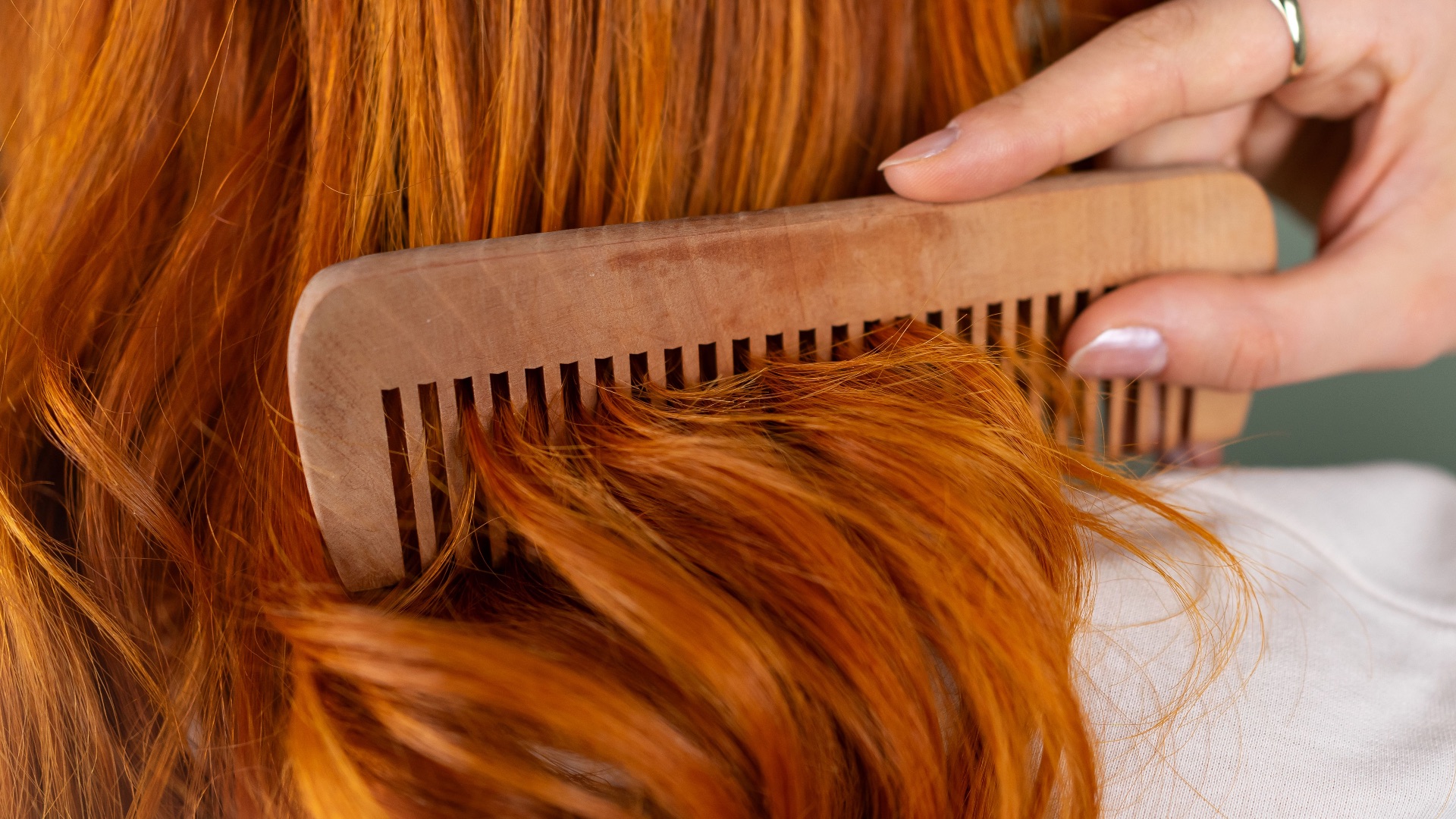
Thinning hair may be easier to snap, particularly when it’s wet and more vulnerable to stretching. Pulling a brush through tangles or repeatedly combing the same area can remove or break hairs that might otherwise have remained in place. A harsh technique won’t stimulate growth and may leave the existing hair looking less full.
4. Relying on Unproven Miracle Products
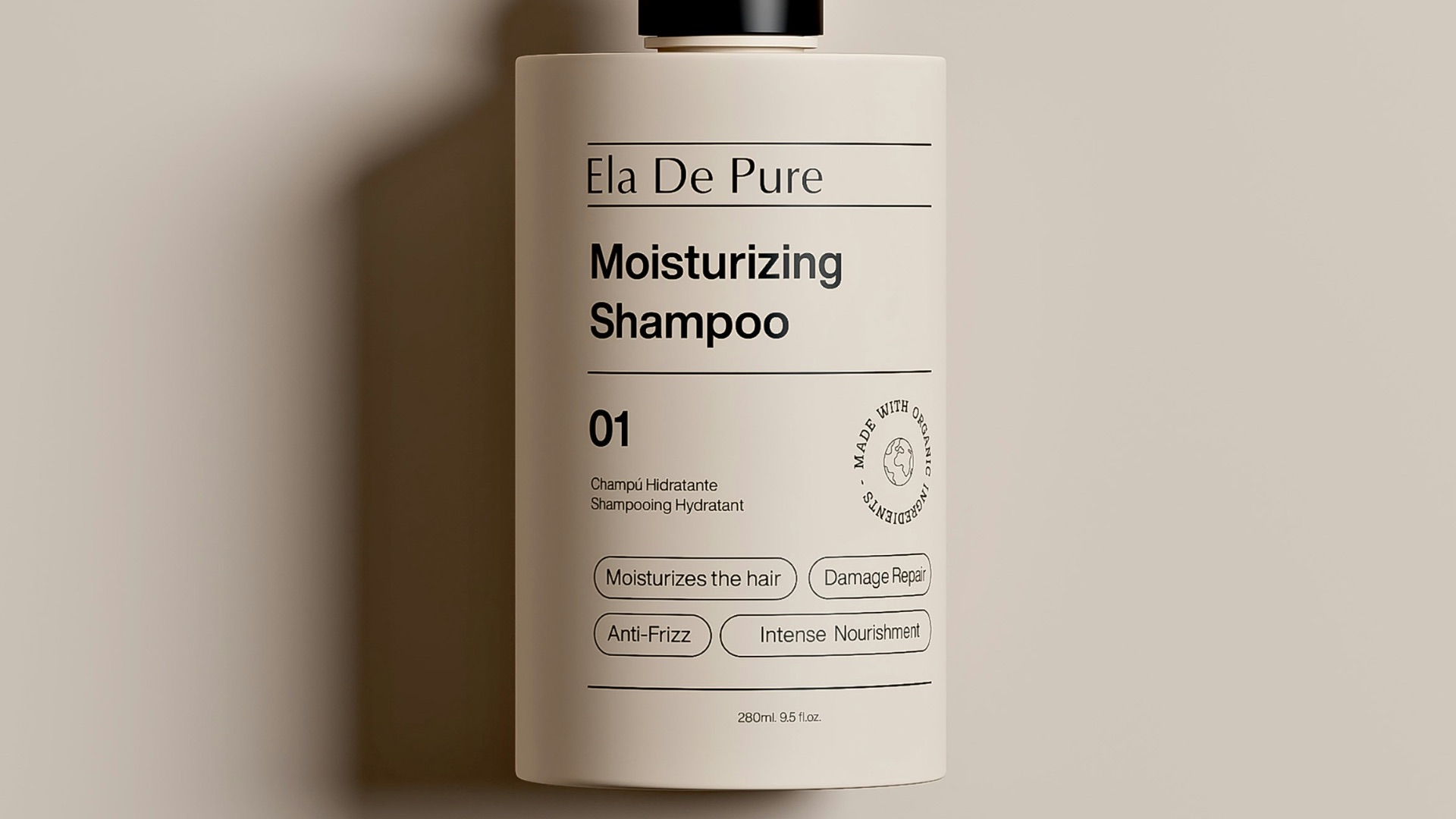
Shampoos, oils, gummies, and devices are often marketed with dramatic promises that aren’t supported by strong evidence. Spending months experimenting with them can delay an accurate diagnosis while the underlying condition continues to progress. Products that irritate the scalp may also create redness, itching, or inflammation that makes hair care more difficult.
5. Taking Supplements Without Knowing What You Need
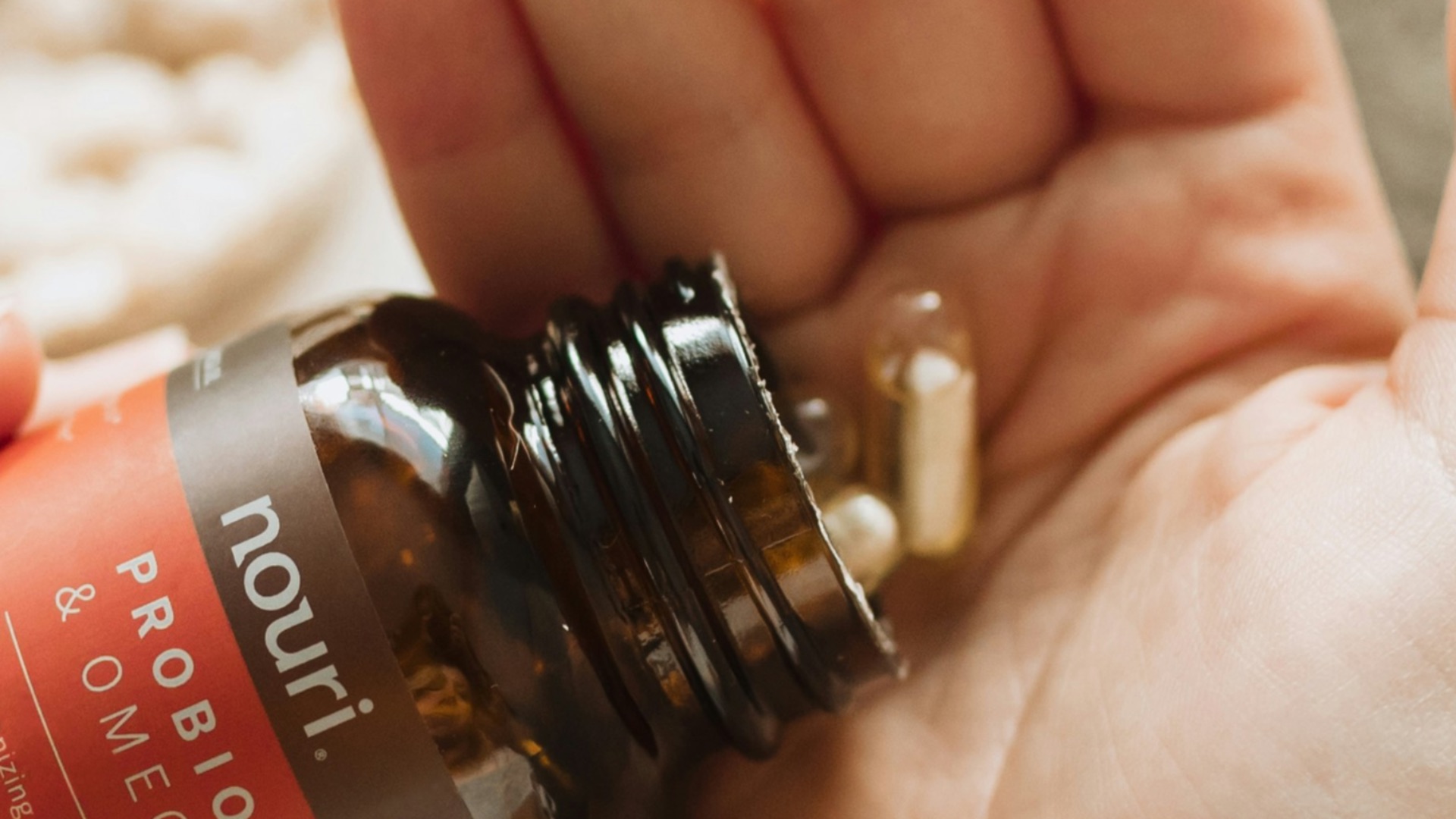
More isn’t always better when it comes to vitamins and minerals. Taking large amounts of certain nutrients without a confirmed deficiency can cause side effects, interact with medications, and, in some cases, contribute to hair shedding. It’s safer to investigate whether a nutritional problem actually exists before adding high-dose supplements.
6. Crash Dieting to Lose Weight Quickly
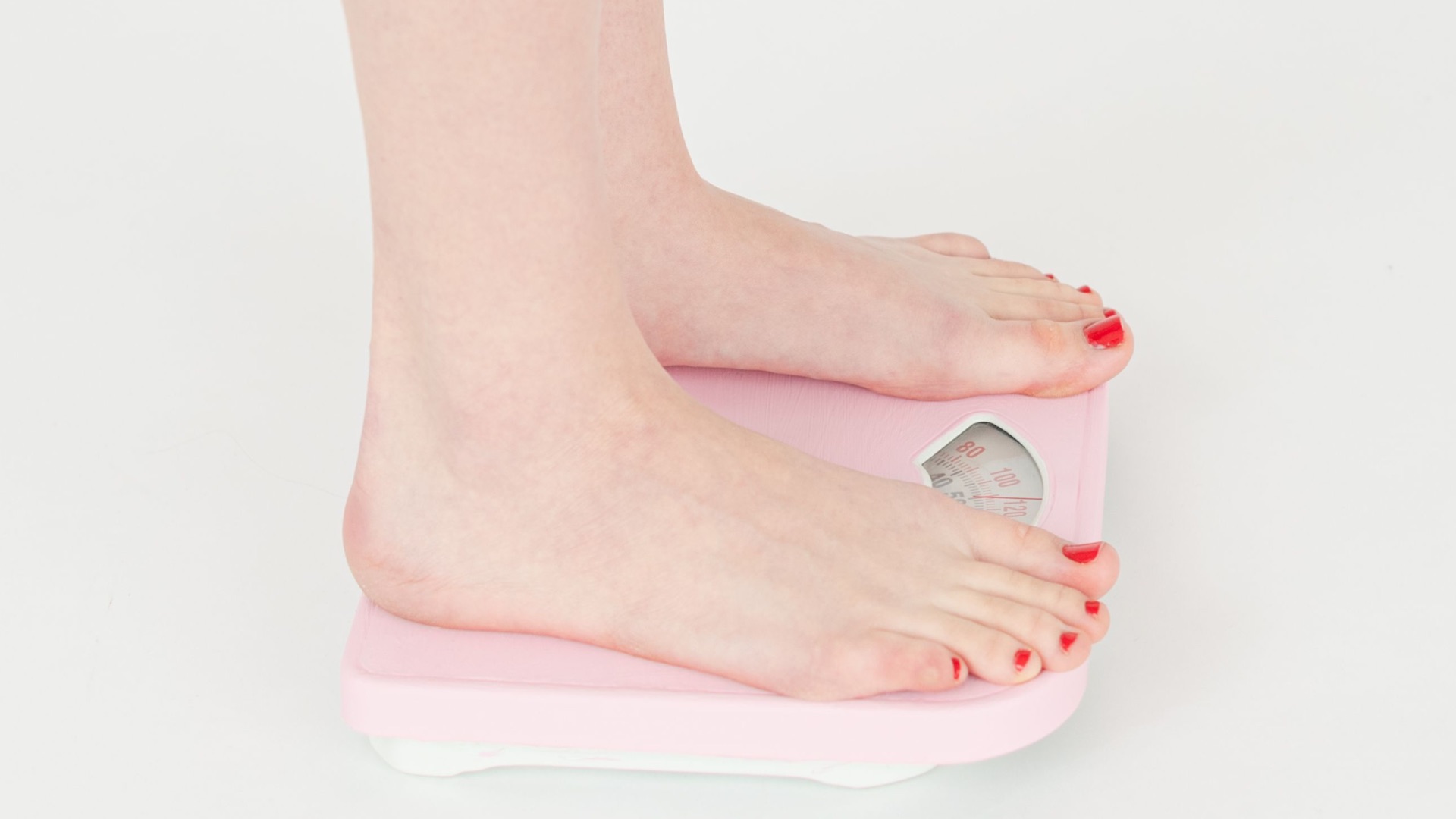
Severely restricting calories or cutting out major food groups can deprive your body of the protein, iron, zinc, and other nutrients involved in normal hair growth. Rapid weight loss can also trigger increased shedding several months after the diet begins. Even when the hair eventually recovers, repeated cycles of extreme dieting may keep disrupting its growth pattern.
7. Scratching an Irritated Scalp
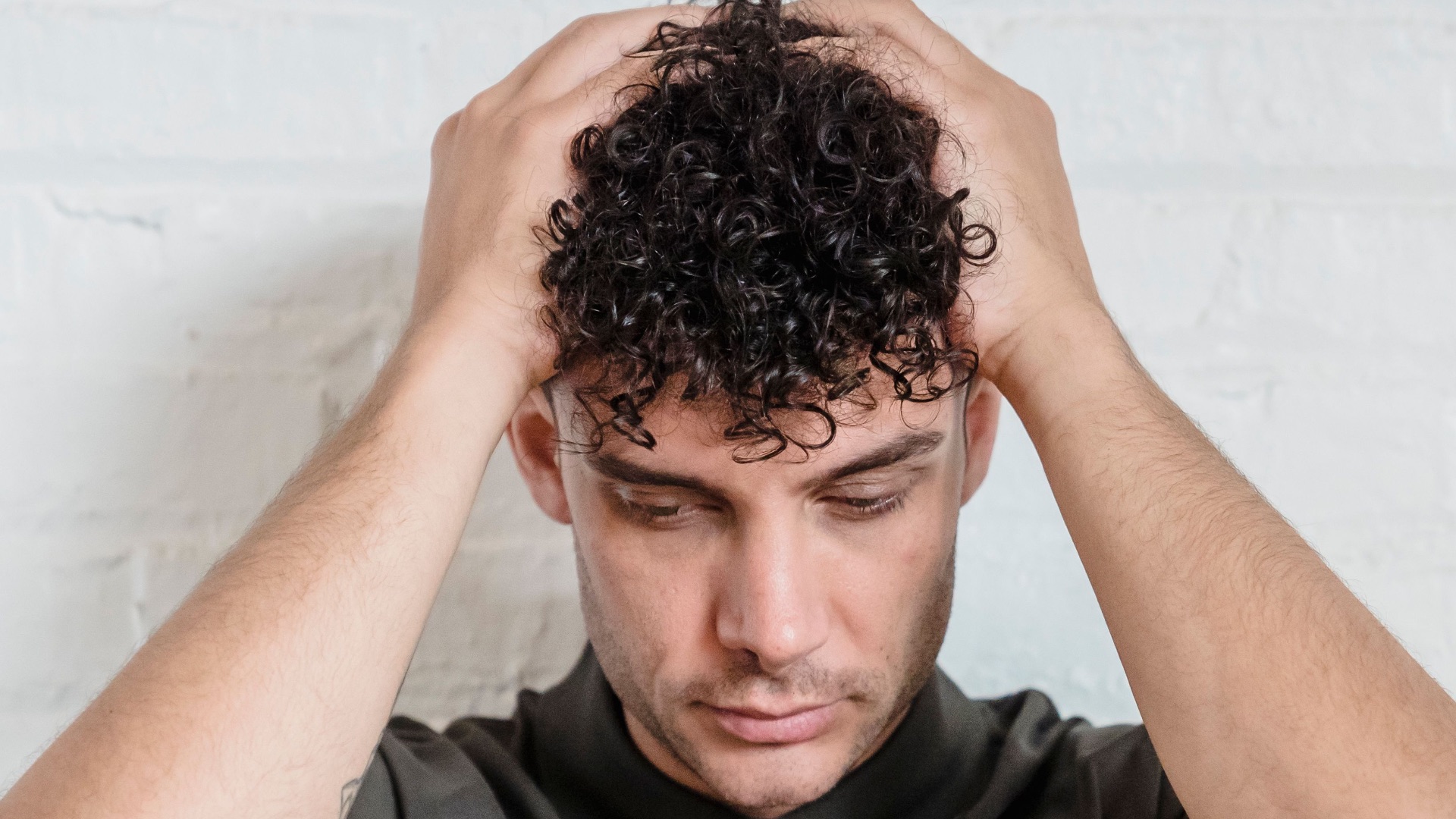
Persistent itching can make it tempting to scratch forcefully or pick at flakes and scabs. That behavior may injure the skin, break nearby hairs, and increase the chance of infection. An itchy, painful, scaly, or inflamed scalp deserves attention because it may point to a condition that needs targeted treatment.
8. Frequently Bleaching or Chemically Processing Your Hair
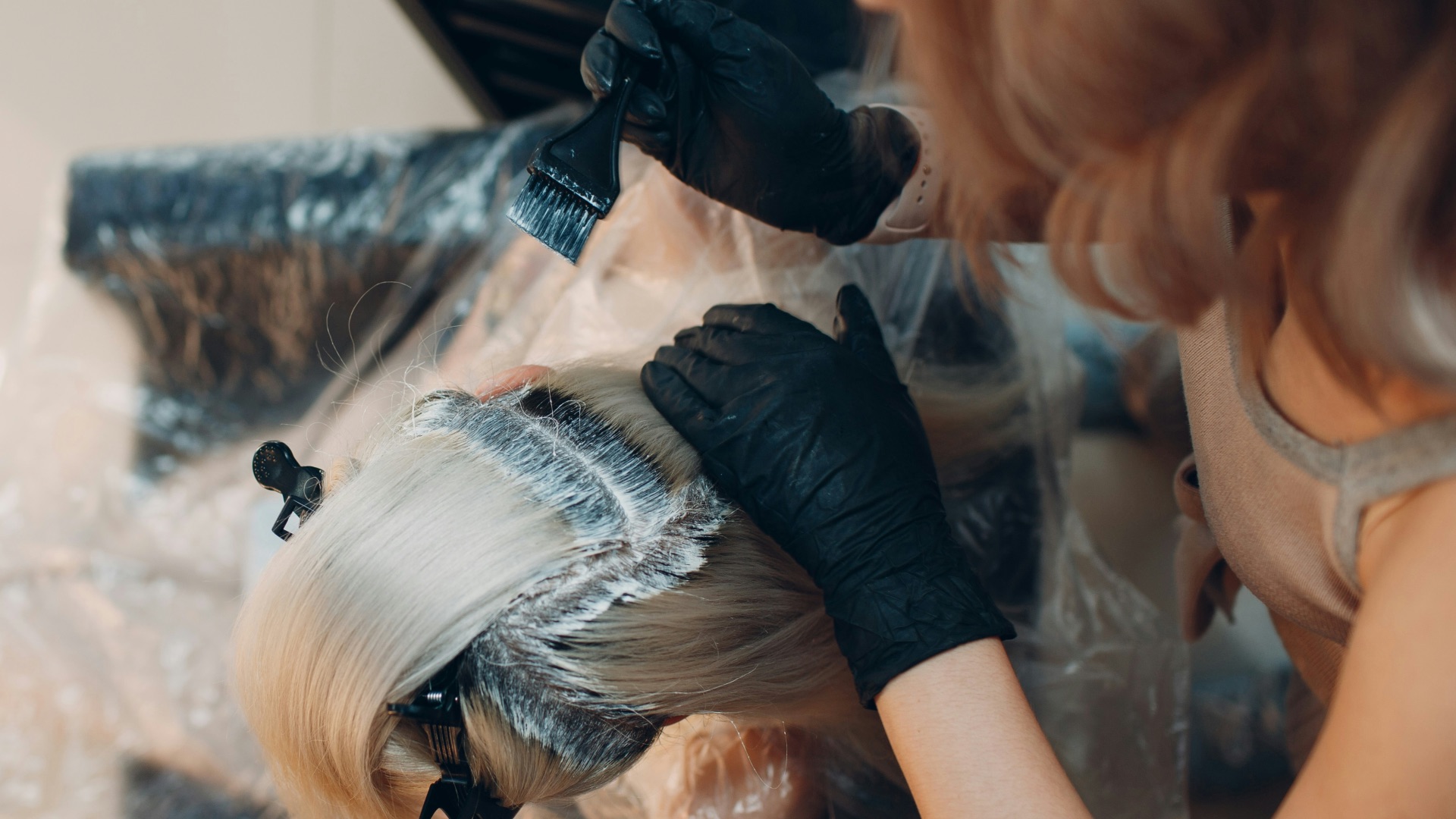
Bleach, relaxers, perms, and repeated coloring can weaken the protective structure of the hair shaft. When treatments overlap or are performed too close together, breakage may occur near the scalp and resemble more advanced thinning. Processing already fragile hair without allowing recovery time can leave fewer intact strands covering the affected areas.
9. Ignoring Sudden or Patchy Hair Loss
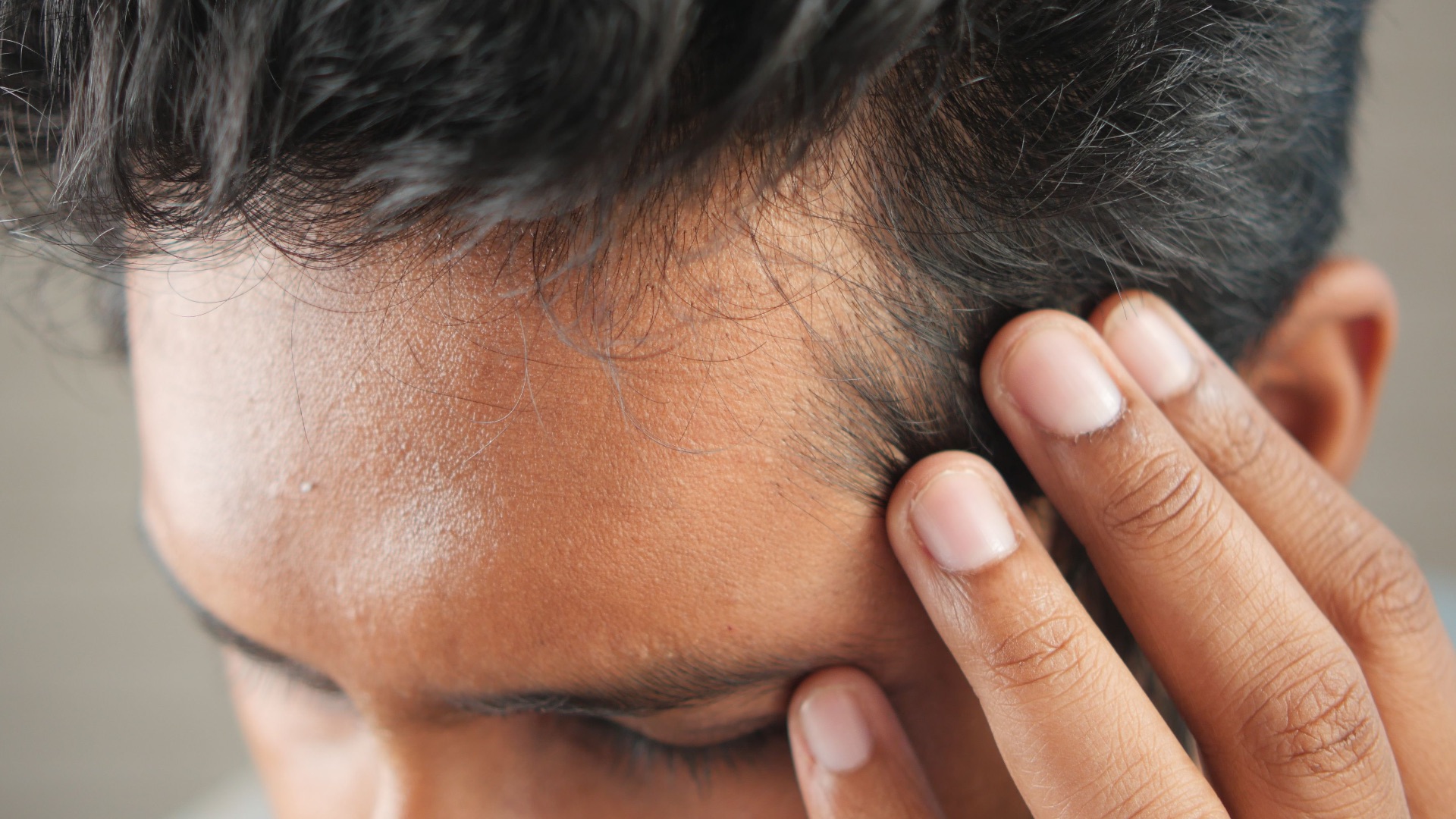
Gradual pattern hair loss is common, but not every form of shedding follows that course. Bald patches, rapid shedding, scalp pain, redness, scaling, or eyebrow loss may be associated with other medical or autoimmune conditions. Waiting to see whether these signs disappear can postpone treatment during a period when early care may be especially valuable.
10. Starting and Stopping Treatments Impulsively
Hair-loss treatments usually require consistent use and enough time to judge whether they’re helping. Changing products every few weeks makes it difficult to track results and may expose your scalp to unnecessary irritation. Some established treatments can also cause temporary early shedding, so stopping immediately without medical guidance may prevent you from reaching the stage when improvement becomes visible.
Now that you know what to avoid, here's what you should do to preserve a healthy scalp and luscious locks before you start searching for strange remedies.
1. Schedule an Evaluation with a Dermatologist
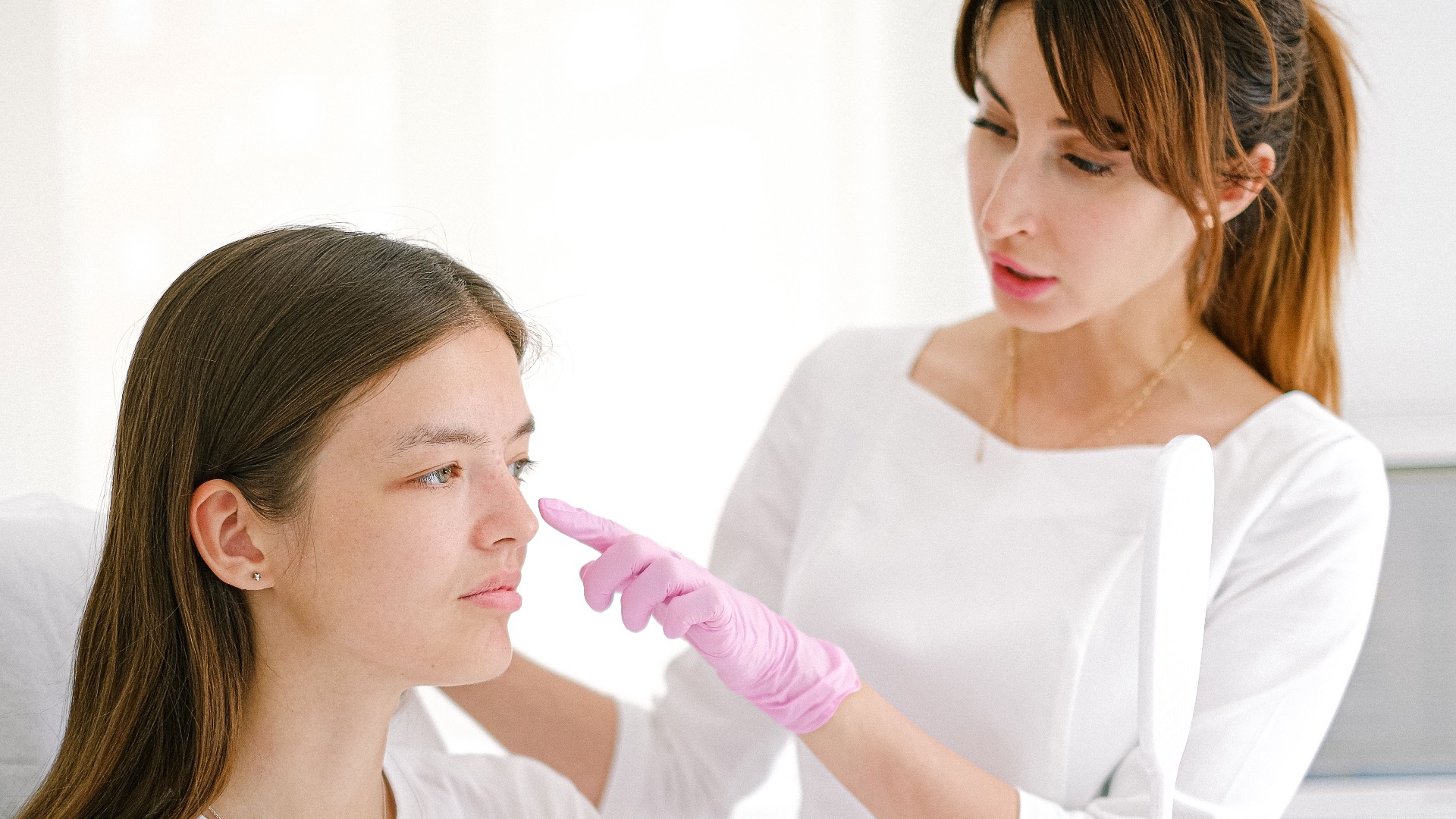
A dermatologist can examine your scalp, review your medical and family history, and determine which type of hair loss is most likely. Depending on your symptoms, the evaluation may include blood tests, a hair-pull test, or a scalp biopsy. Getting a diagnosis early gives you a clearer path forward than treating every form of hair loss as though it were the same.
2. Choose Looser, Lower-Tension Styles
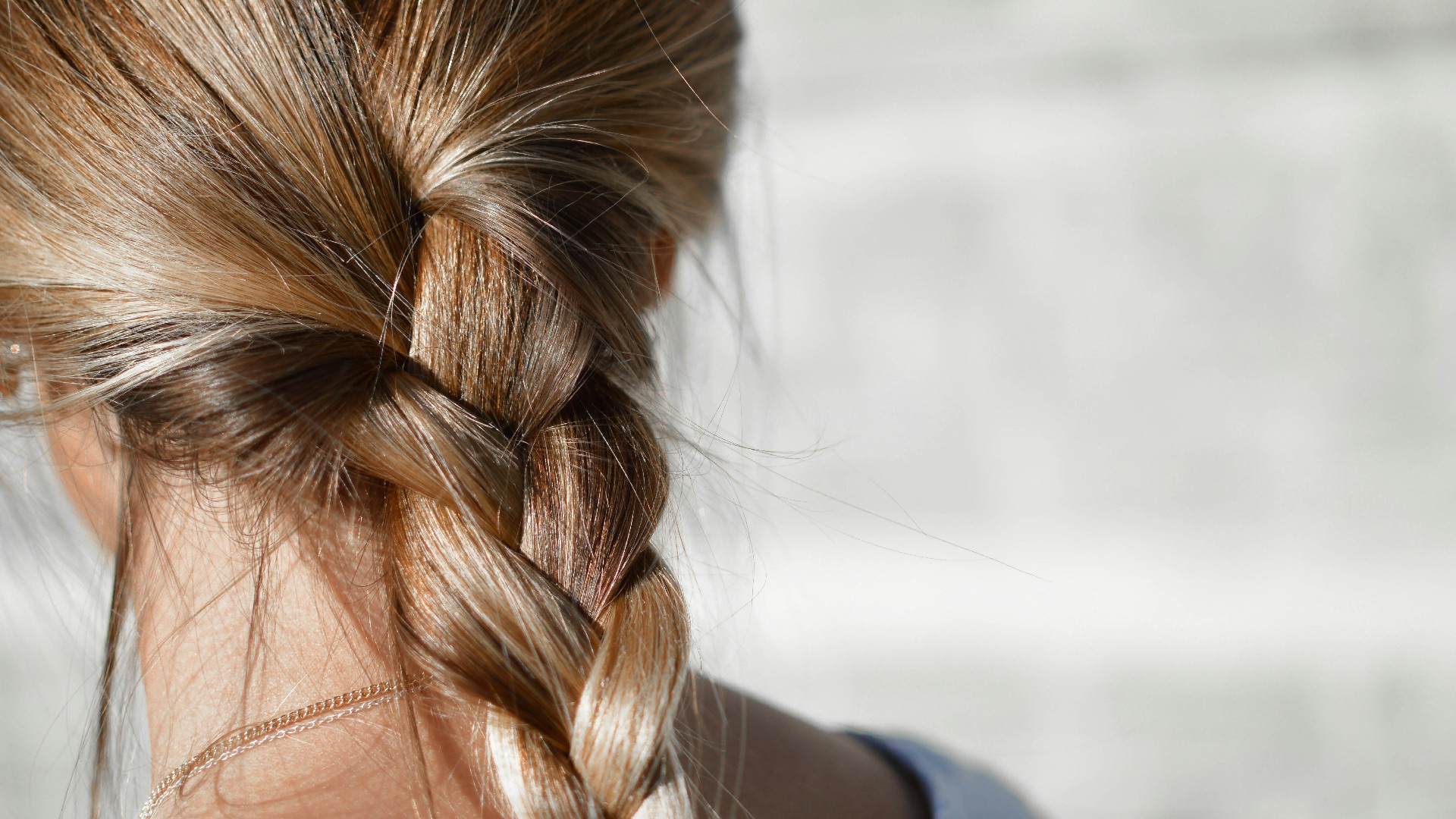
You don’t necessarily have to stop wearing ponytails, braids, or protective styles altogether. The important change is reducing tension, varying where the hair is secured, and avoiding styles that cause pain or pull at the edges. If a hairstyle hurts while it’s being installed or worn, that’s a strong sign that it needs to be loosened.
3. Handle Wet Hair with Extra Care
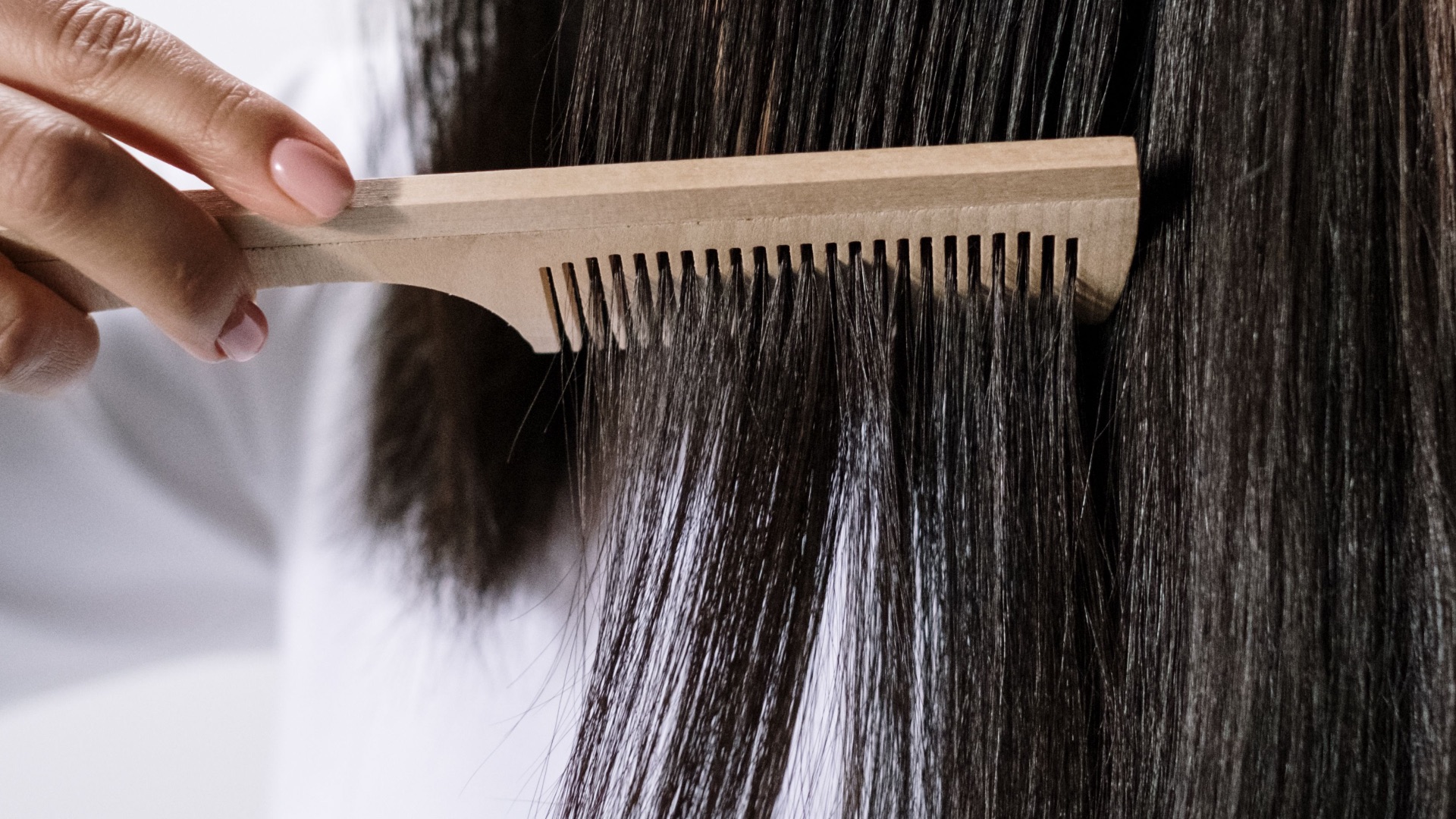
After washing, gently blot your hair with a soft towel rather than rubbing it vigorously. Use a wide-tooth comb when detangling, starting near the ends and gradually moving upward. Applying a conditioner can reduce friction and make knots easier to release without excessive pulling.
4. Reduce Heat and Chemical Exposure
Letting your hair air-dry when practical and using styling tools at lower settings can limit additional breakage. Space out coloring, bleaching, relaxing, and perming appointments rather than stacking several treatments together. When hair is already thinning or fragile, simpler styling methods help preserve the strands that remain.
5. Eat Enough Protein and Nutrient-Rich Foods
Hair growth depends on adequate nutrition, so regularly eating balanced meals matters more than chasing a single so-called hair food. Include suitable sources of protein, iron, zinc, healthy fats, fruits, and vegetables based on your dietary needs. Anyone following a restrictive diet or experiencing unexplained fatigue alongside shedding should discuss possible deficiencies with a healthcare professional.

6. Discuss Evidence-Based Treatments
Topical minoxidil can help some people with pattern hair loss, but the right formulation, frequency, and expected results depend on the individual and the product label. Prescription options may also be appropriate in certain cases, although they can carry side effects and aren’t suitable for everyone. A clinician can explain what’s supported by evidence and whether your health history makes a particular treatment reasonable.
7. Treat Scalp Conditions Promptly
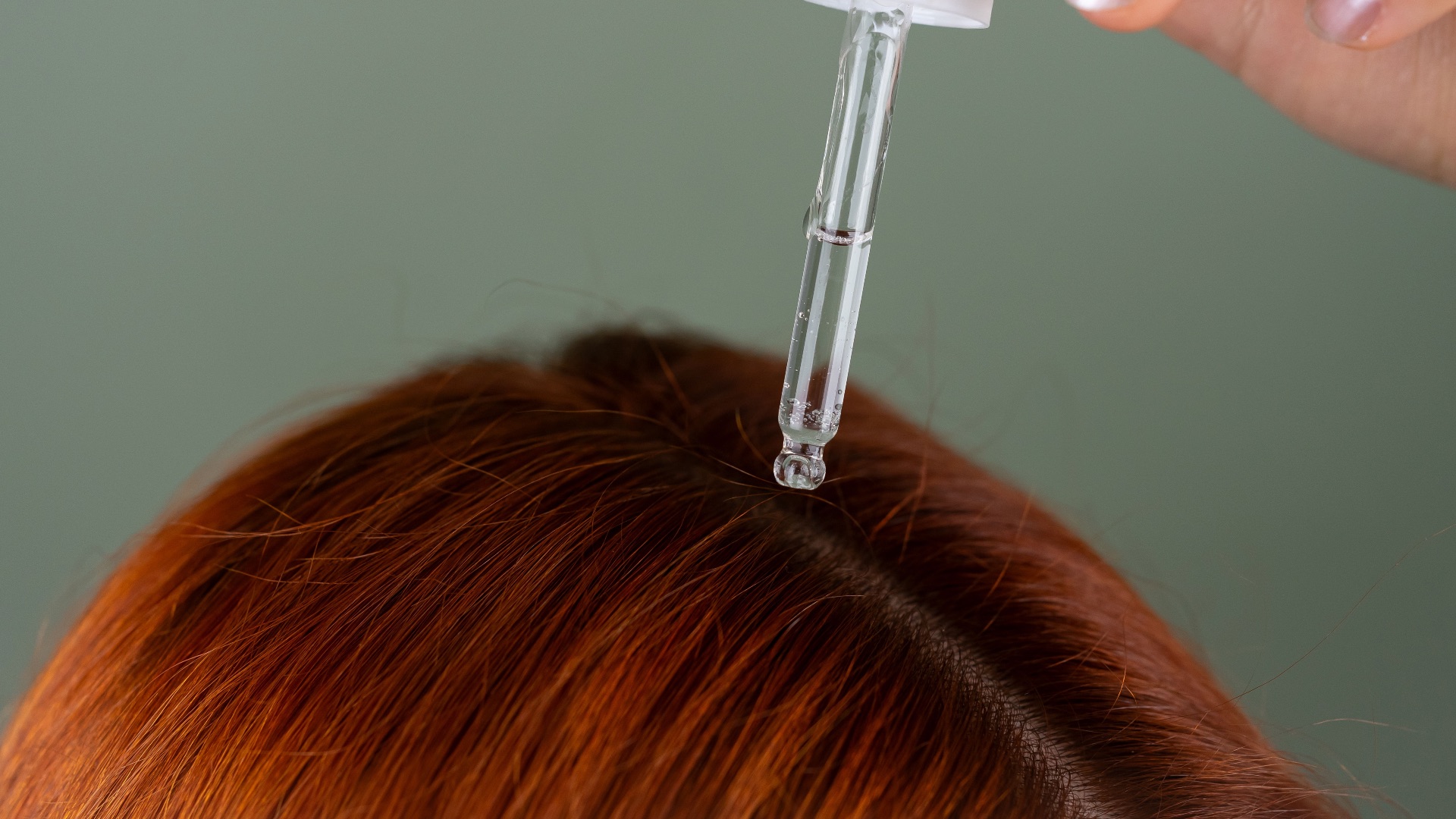
Dandruff, dermatitis, psoriasis, fungal infections, and other scalp problems can cause itching, inflammation, or increased breakage. Addressing the scalp condition may make the area more comfortable and create better conditions for normal hair care. Use medicated products as directed rather than applying multiple harsh treatments at once.
8. Track Changes with Consistent Photos
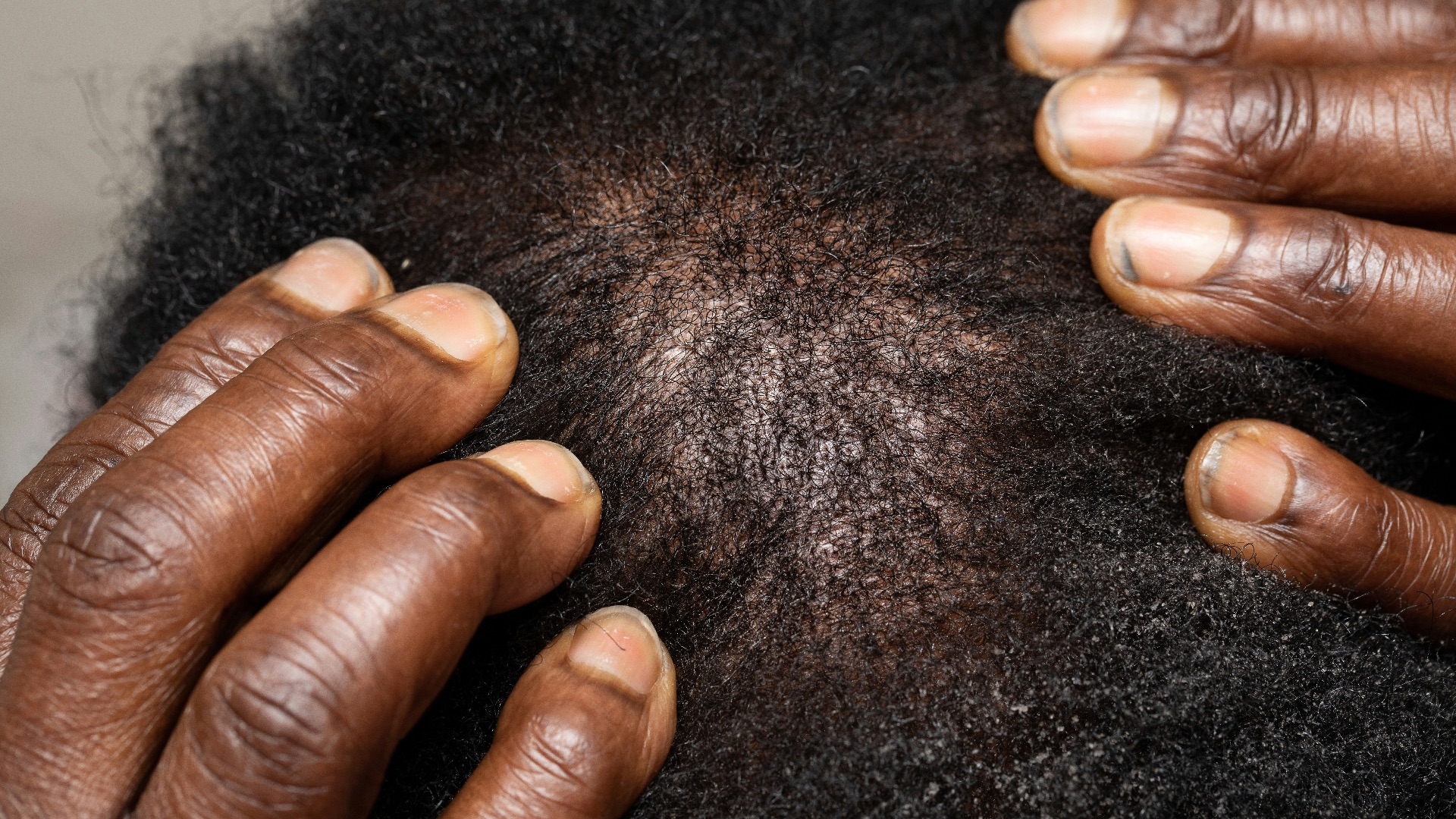
Take clear pictures of your hairline, part, crown, and temples under similar lighting every month or two. Daily mirror checks can be misleading because styling, moisture, and lighting change how dense the hair appears. A spaced-out photo record gives you and your dermatologist a more reliable way to assess whether the loss is progressing, stabilizing, or improving.
 Antoine Beauvillain on Unsplash
9. Review Medications and Recent Health Changes
Hair shedding can sometimes follow illness, surgery, childbirth, severe emotional stress, rapid weight loss, or a change in medication. Write down when the shedding began and what happened during the previous several months, since the trigger may not be immediately obvious. Don’t stop a prescribed medication on your own, but bring the timing to the attention of the clinician who manages it.

10. Give a Sensible Treatment Plan Enough Time
Hair grows slowly, so visible results rarely appear within a few days or weeks. Follow the agreed treatment instructions, monitor side effects, and attend follow-up appointments before deciding that nothing is working. Consistency won’t guarantee complete regrowth, but it gives an appropriate plan a fair chance and allows adjustments to be based on useful information.