20 Hairstyles That Used to Be Associated With Women of Questionable Reputation
When a Haircut Could Ruin Your Reputation
These days, changing your hairstyle is seen as nothing more than personal preference, but throughout history, certain looks could seriously damage a woman's reputation. From daringly short cuts to brightly colored curls, hairstyles were often judged according to strict expectations about femininity, modesty, and respectable behavior. Some became associated with actresses, courtesans, and rebellious young women, while others simply challenged traditional beauty standards enough to cause outrage. Here are 20 hairstyles that could historically cause some uproar when women sported them.
 Paramount Pictures on Wikimedia
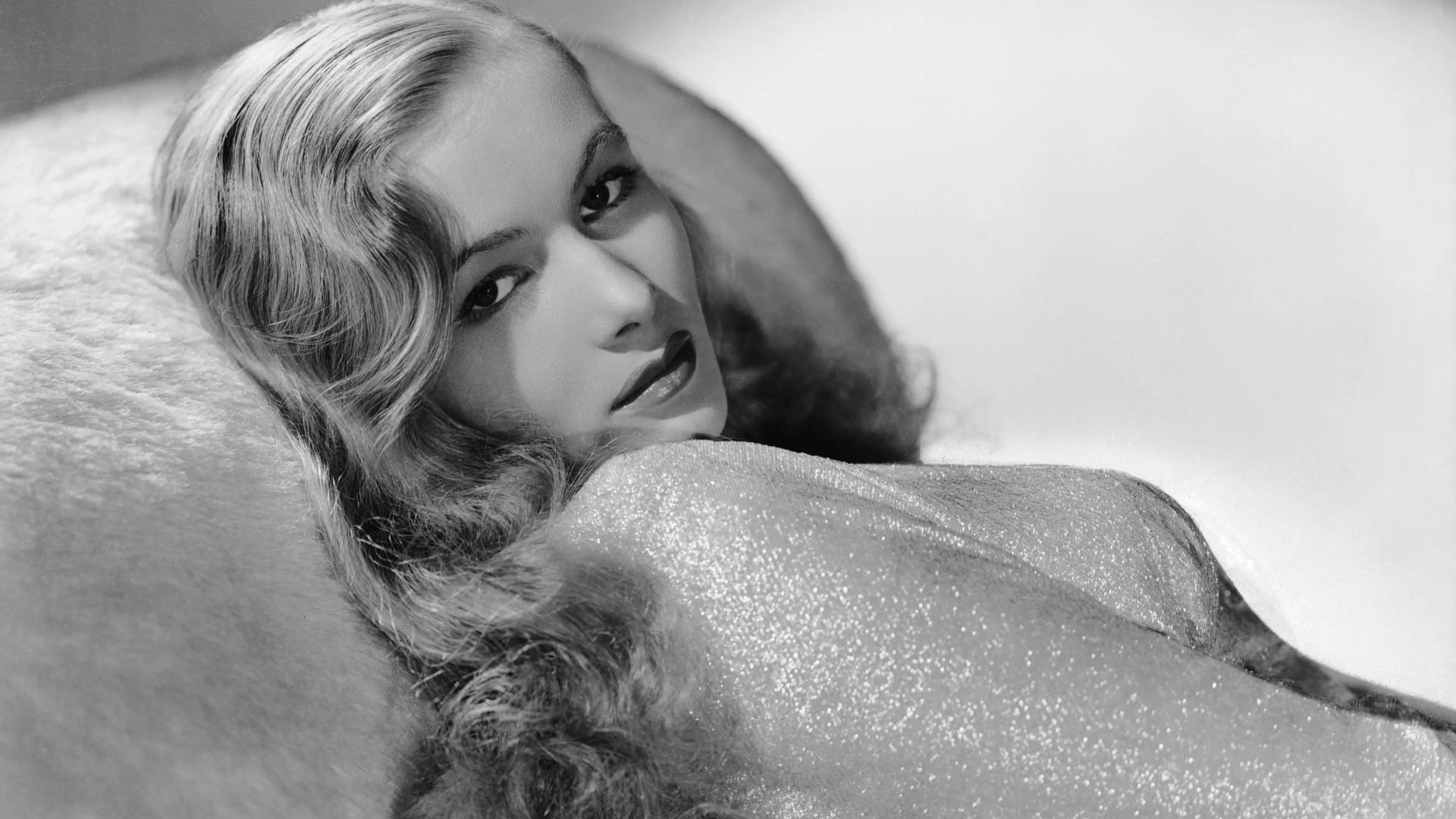
1. Long, Loose Hair in Public
During the Victorian era, respectable adult women generally wore their hair pinned up in public. Leaving it loose could be considered improper, particularly for married women who were expected to look modest and put-together. Flowing hair was also associated with romantic intimacy and occasionally appeared in artistic depictions of seductive or unconventional women.
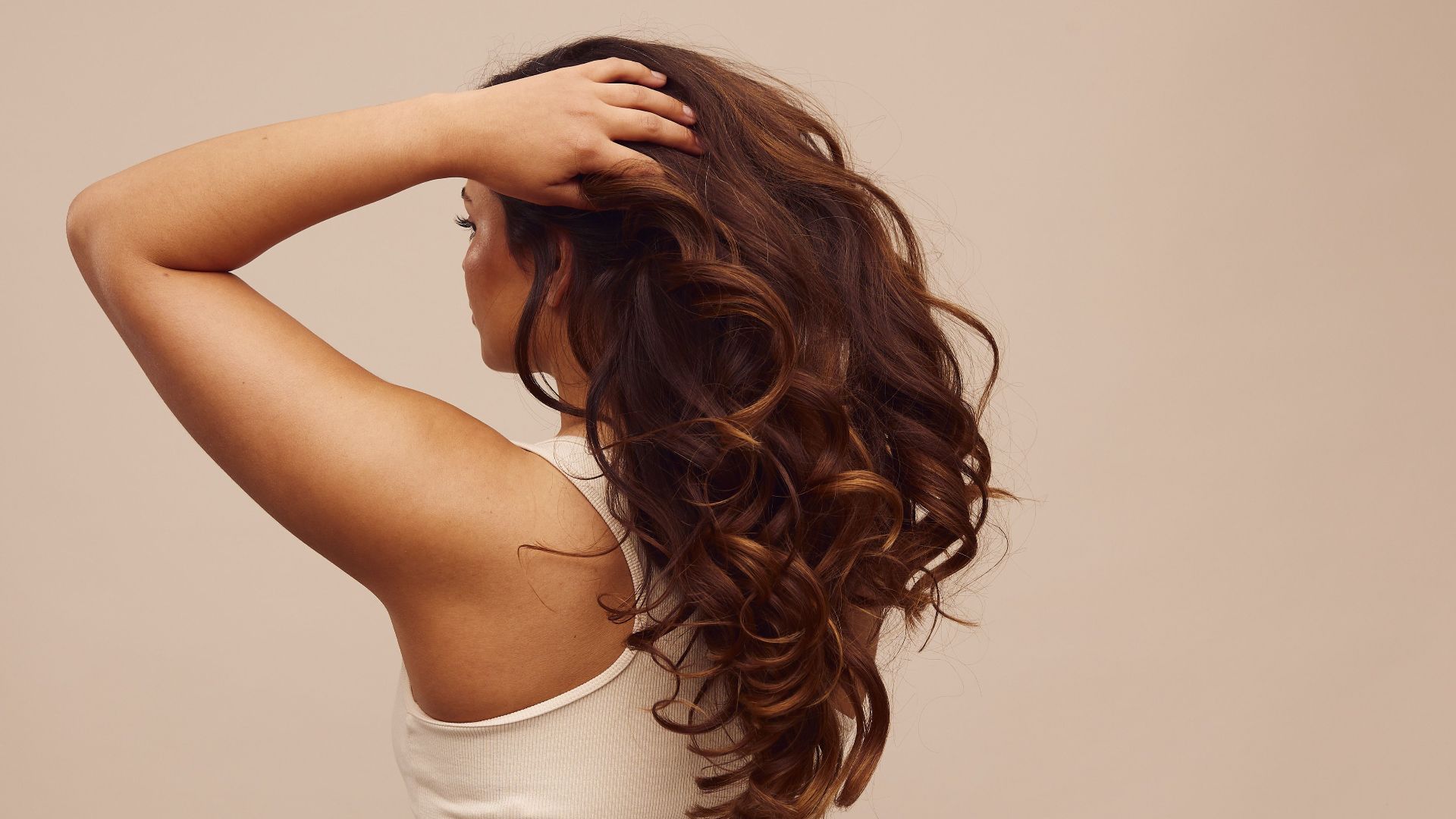
2. Deliberately Tousled Curls
A tousled hairstyle wasn't always considered attractive, especially when women were expected to appear perfectly groomed. In earlier European societies, loose and disorderly curls could suggest a woman had been engaging in inappropriate behavior. Artists sometimes used untidy hair to portray passionate, distressed, or sexually unconventional female characters.

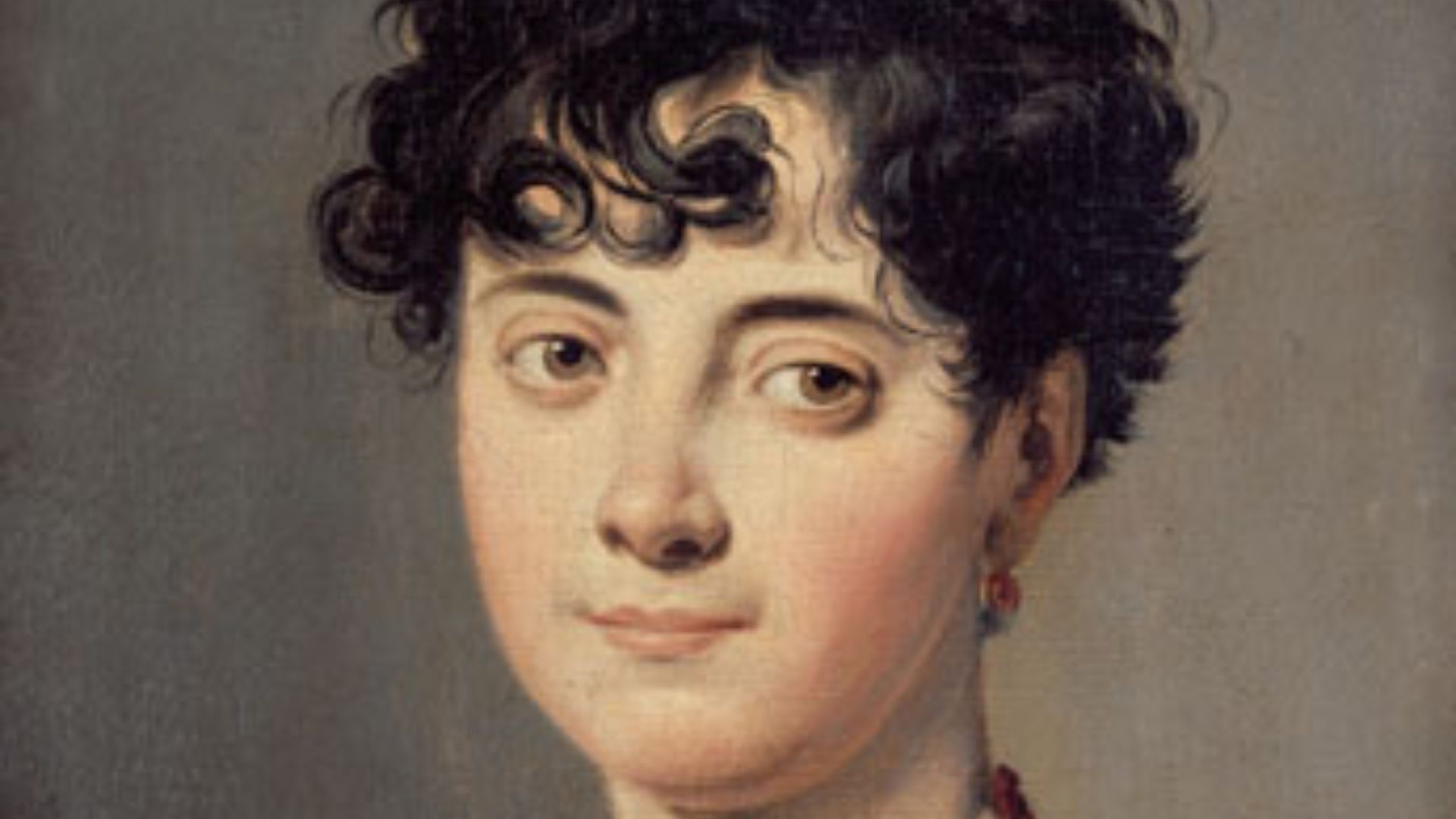
3. The Titus Crop
Inspired by hairstyles associated with classical antiquity, the Titus crop became fashionable among some European women around the turn of the 19th century. Its short, closely cropped curls challenged the elaborate hairstyles traditionally associated with feminine elegance. Women who adopted the style could be seen as unusually daring, particularly because it exposed the neck and much of the head.
 Louis-Léopold Boilly on Wikimedia
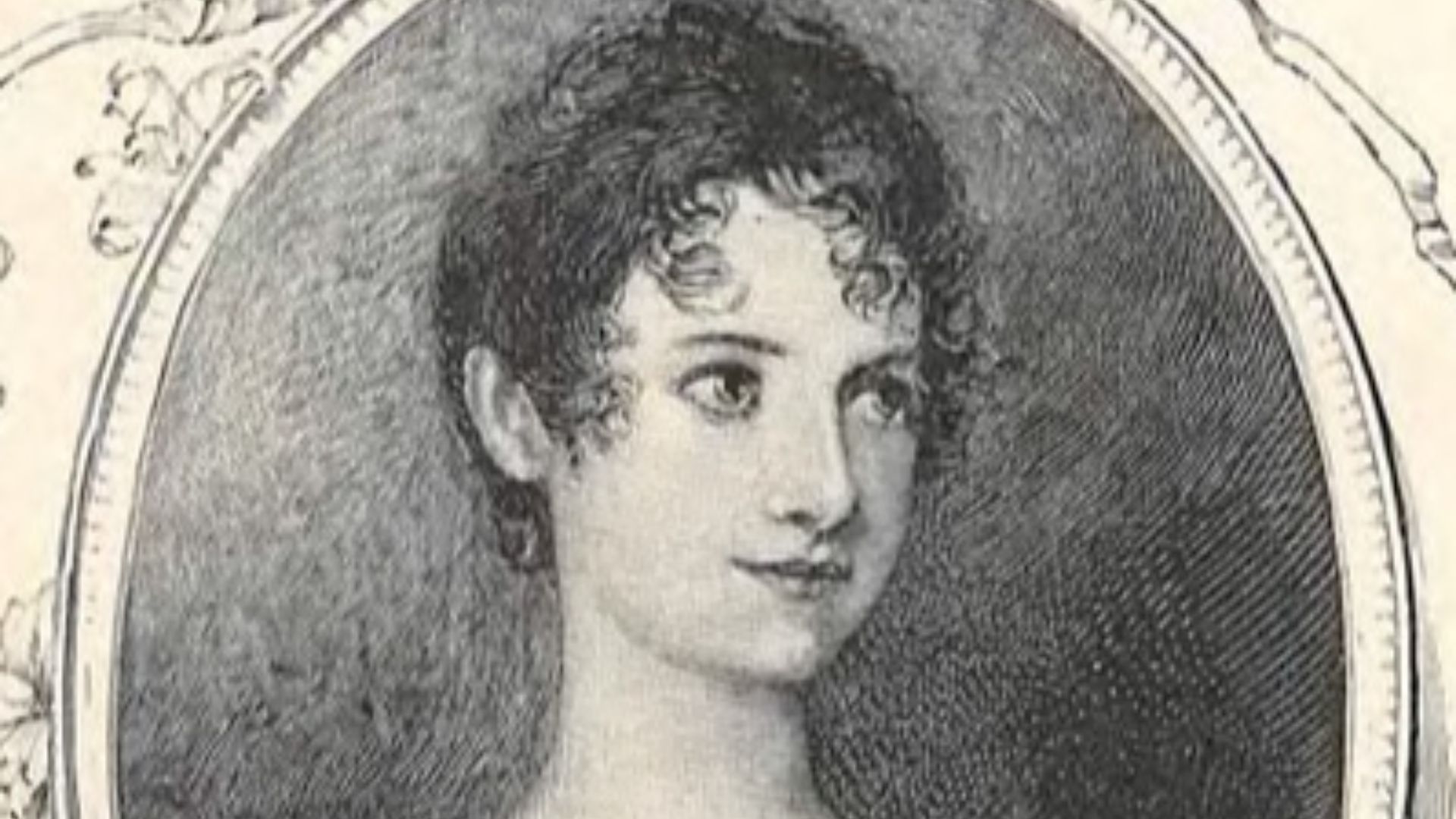
4. The Victorian Short Crop
Long before the famous flappers appeared, some women in 19th-century America were already experimenting with shorter haircuts. Conservative commentators occasionally treated the trend as evidence that women were sacrificing traditional femininity for fashion. An 1883 newspaper article even discussed cutting off long hair in terms of sacrificing virtue, showing just how seriously some people took the issue.
 VictorianVoices.net on Wikimedia
5. The Castle Bob
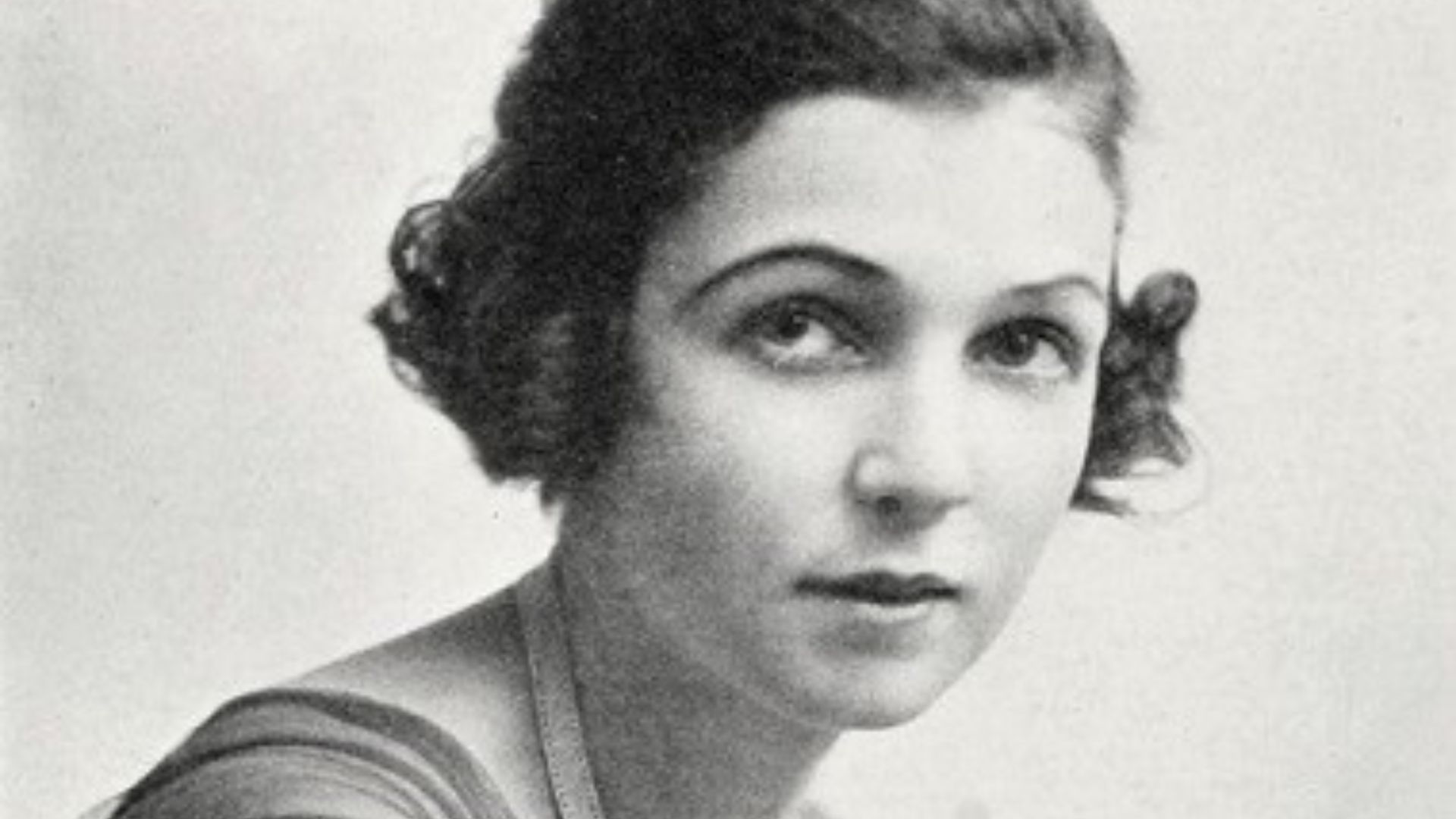
Ballroom dancer Irene Castle helped popularize short hair when she adopted her famous bob during the 1910s. At a time when long hairstyles were still considered appropriate for respectable women, the cut seemed surprisingly unconventional. Its association with a professional entertainer also connected it to a world of performance and modern freedoms that some traditionalists distrusted. What started as a practical choice eventually helped transform women's hairstyling across America.
 Who's is who in the Screen on Wikimedia
6. The Blunt Flapper Bob
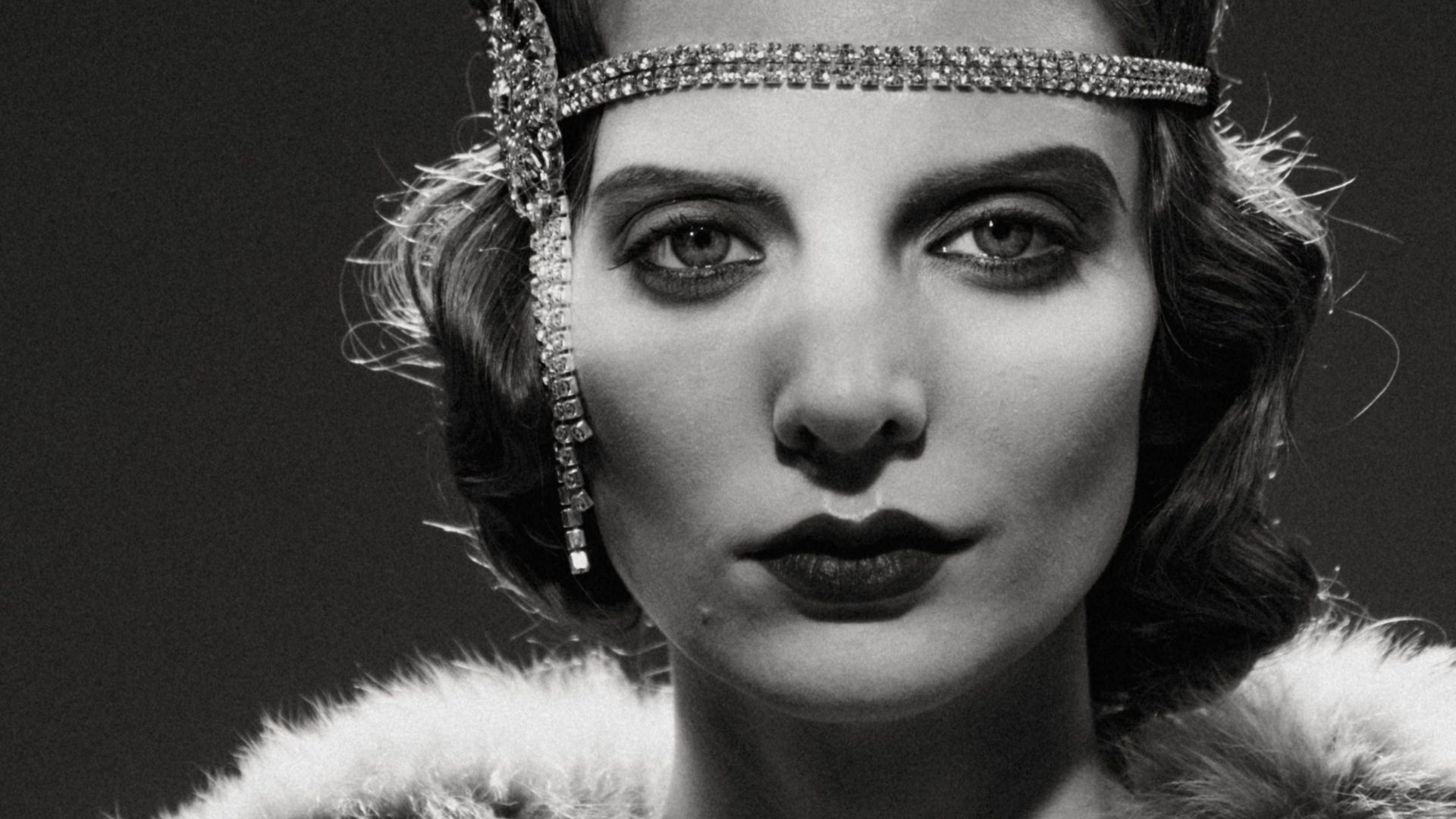
Few hairstyles caused as much controversy during the 1920s as the sharply cut bob associated with flappers. These fashionable young women were criticized for drinking, smoking, dancing, and enjoying greater independence than previous generations. Their short hair became part of an image that conservative Americans often considered morally questionable.
7. The Shingle Bob
While ordinary bobs were already controversial, the shingle bob took things further by cutting the hair especially close around the back of the neck. Popular during the 1920s, it created a modern appearance that departed from traditional feminine hairstyles. Women who wore it sometimes faced criticism from people who believed exposed necks and extremely short hair were inappropriate.
 (Paramount Pictures) on Wikimedia
8. The Eton Crop
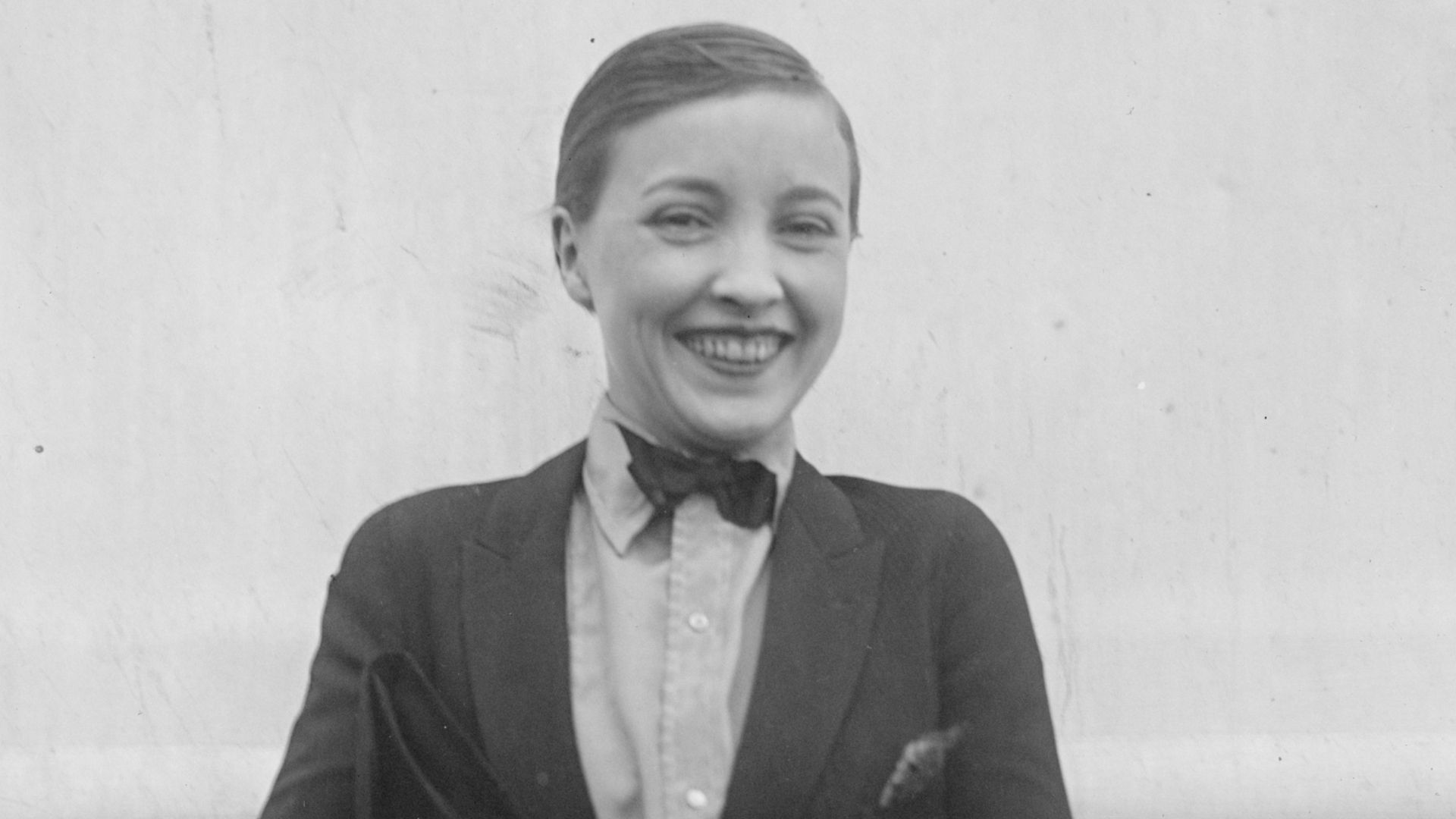
Named after the short hairstyles associated with boys attending England's Eton College, the Eton crop became another provocative option for women during the 1920s. Its closely cropped shape rejected the expectation that women should have long, feminine hair. Entertainers such as Josephine Baker helped bring similarly sleek styles into the spotlight. This connected the look with modern nightlife, which gave it even more of an edge.
 Bain News Service, publisher on Wikimedia
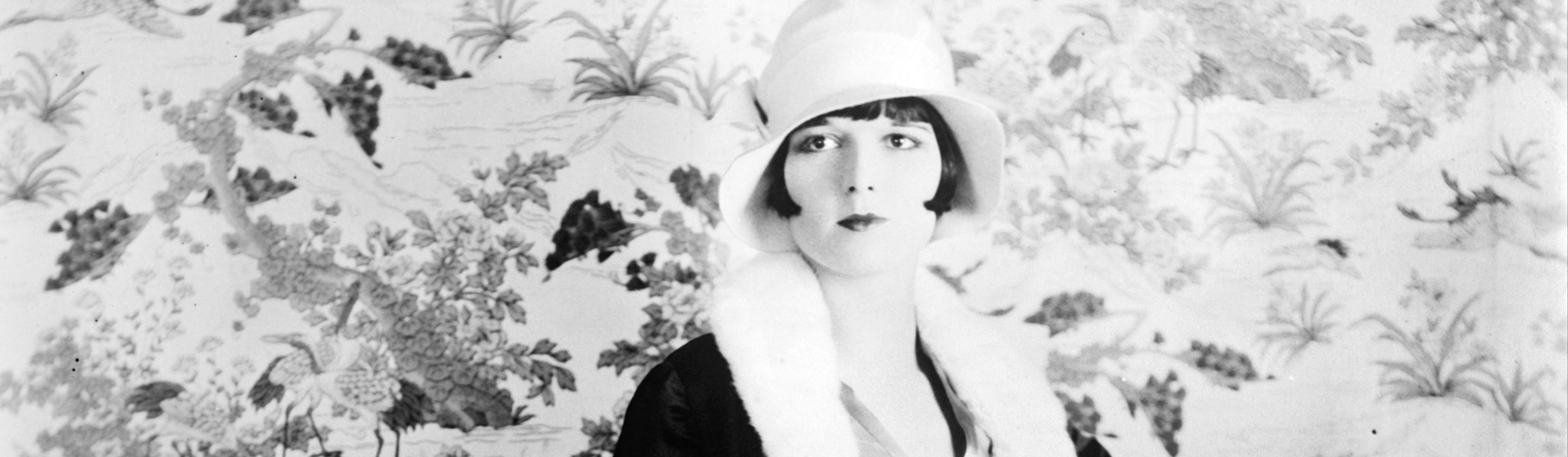
9. The Dutch Boy Bob
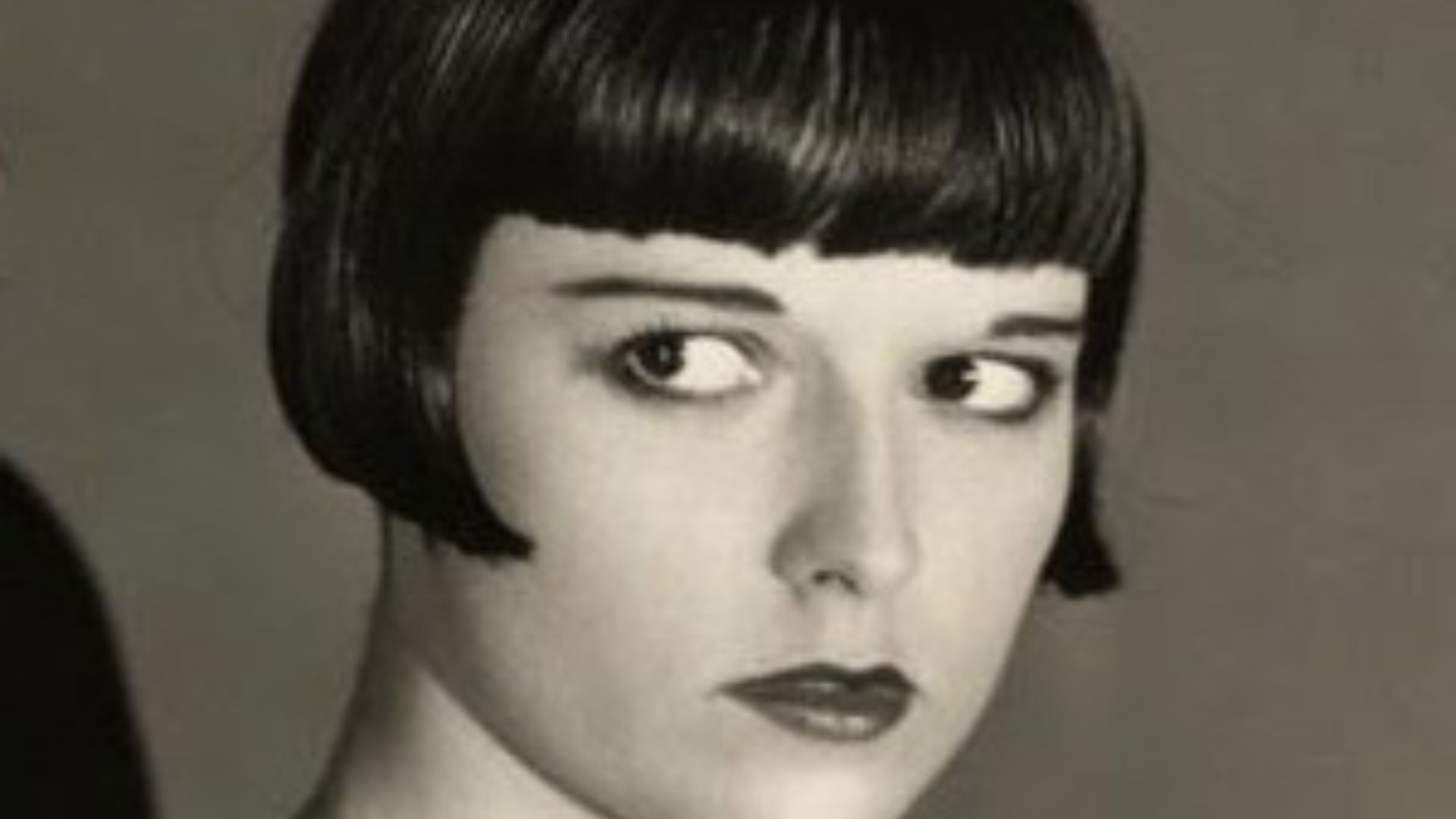
Recognizable by its blunt bangs and straight sides, the Dutch boy bob became closely associated with actresses such as Louise Brooks and Colleen Moore. Their fashionable appearances helped establish the hairstyle as a defining feature of the Jazz Age. Because the cut was linked to flapper culture and changing attitudes toward women's independence, it attracted some of the same criticism as other short hairstyles. Today, its clean lines seem perfectly ordinary, but the cultural message was considerably bolder a century ago.
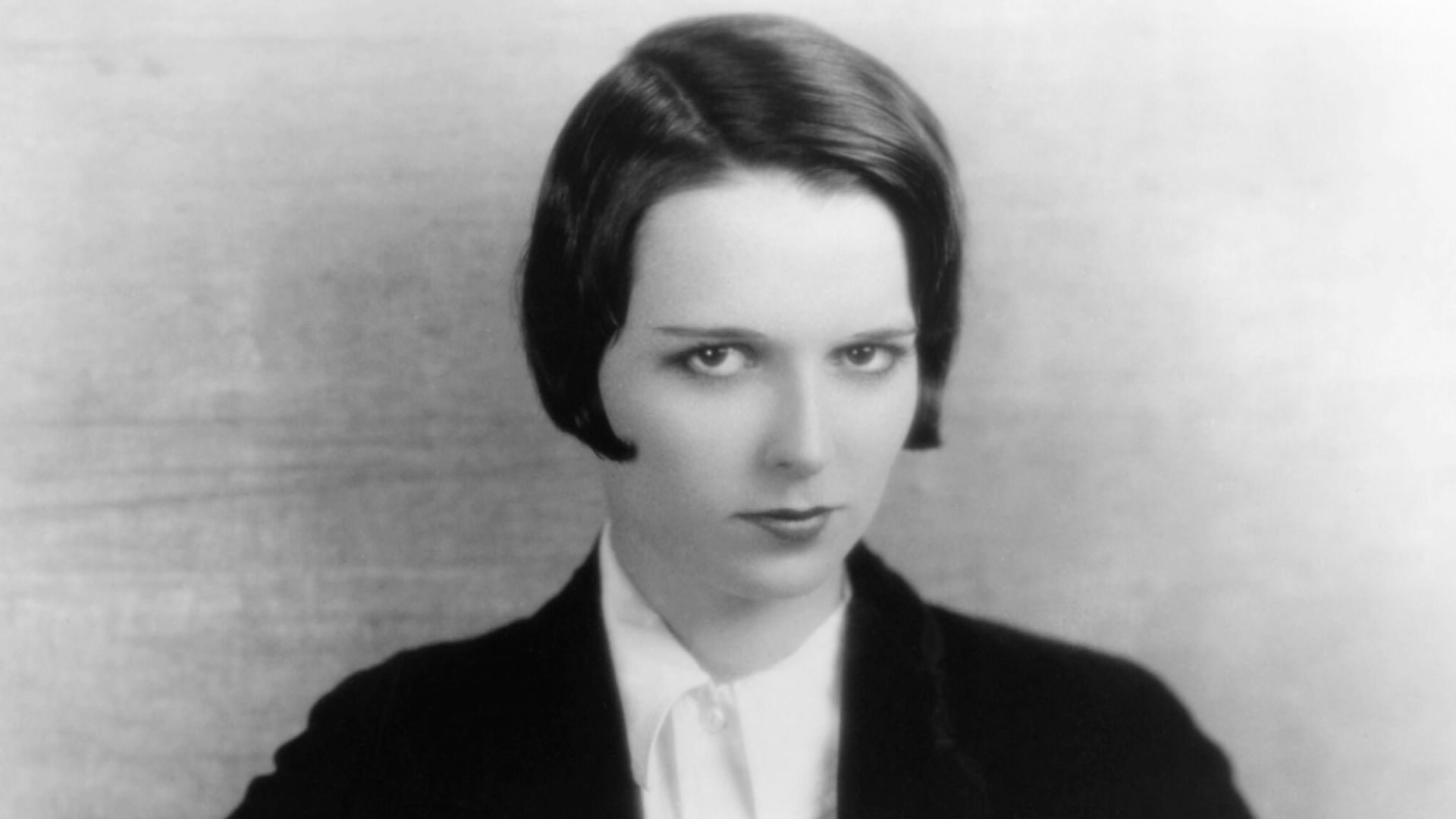
10. Finger Waves
Finger waves became popular during the 1920s and 1930s, creating smooth, sculpted curves across the hair. Actresses, nightclub performers, and fashionable socialites embraced the technique, making it part of the glamorous Jazz Age look. Although the waves themselves weren't scandalous, pairing them with a short bob, dramatic makeup, and revealing evening clothes could evoke the supposedly improper flapper.
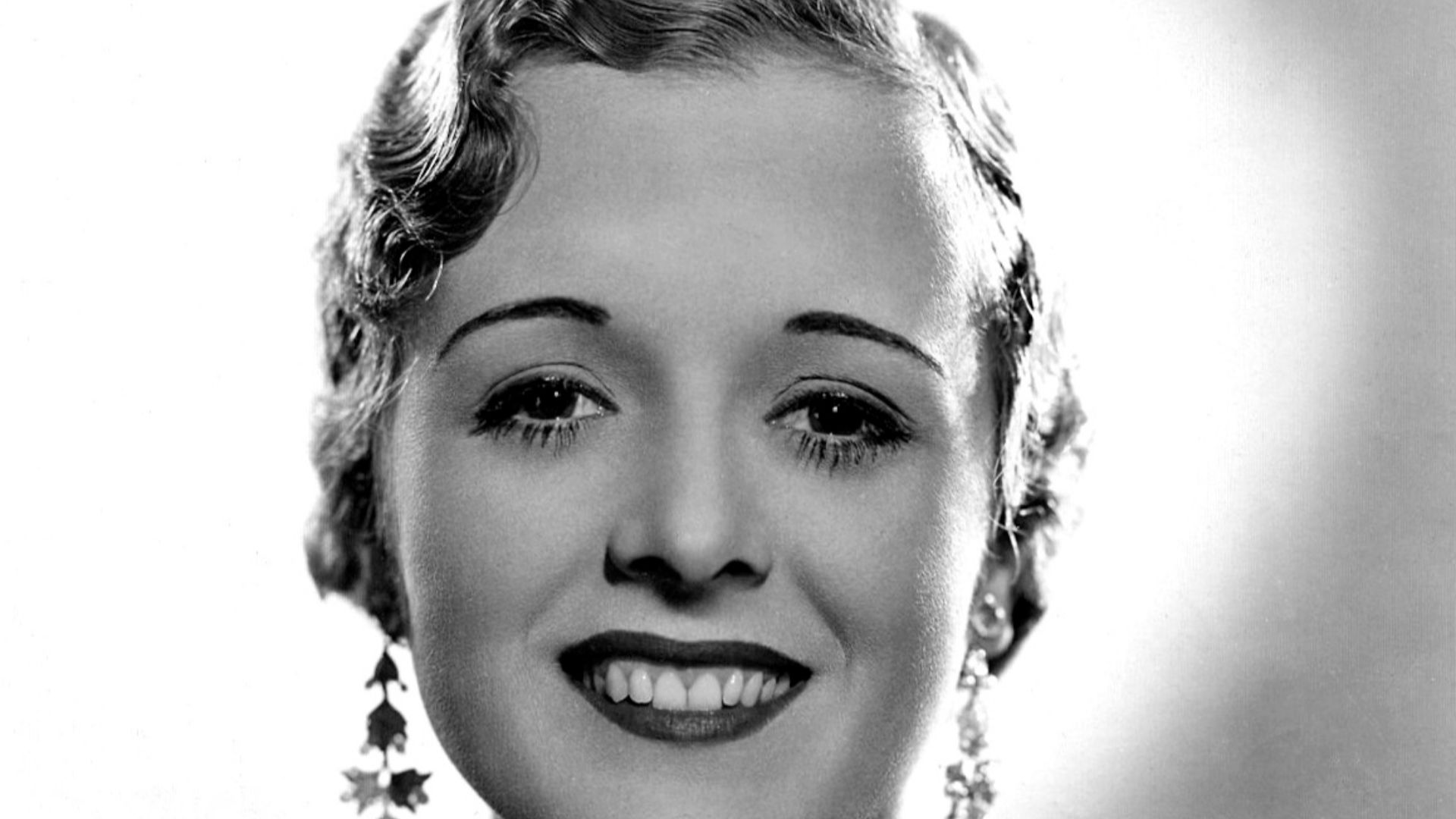
11. Marcel Waves
Named after French hairdresser Marcel Grateau, Marcel waves were created using heated curling irons to produce carefully shaped waves. The technique became especially fashionable among women who wanted polished, glamorous hairstyles during the early 20th century. As movie stars and performers embraced these looks, some conservative observers associated heavily styled hair with vanity and excessive attention to appearance.
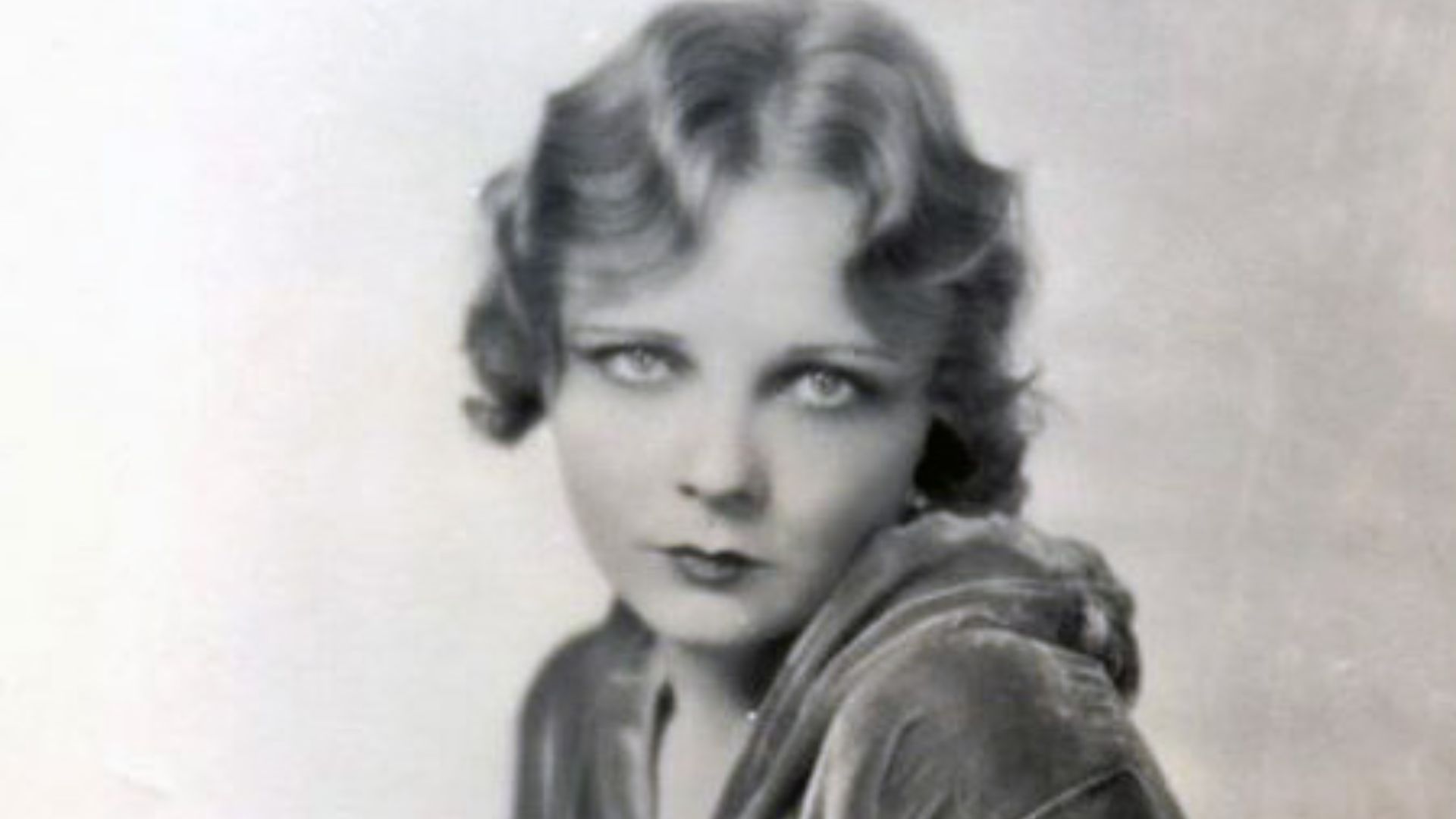
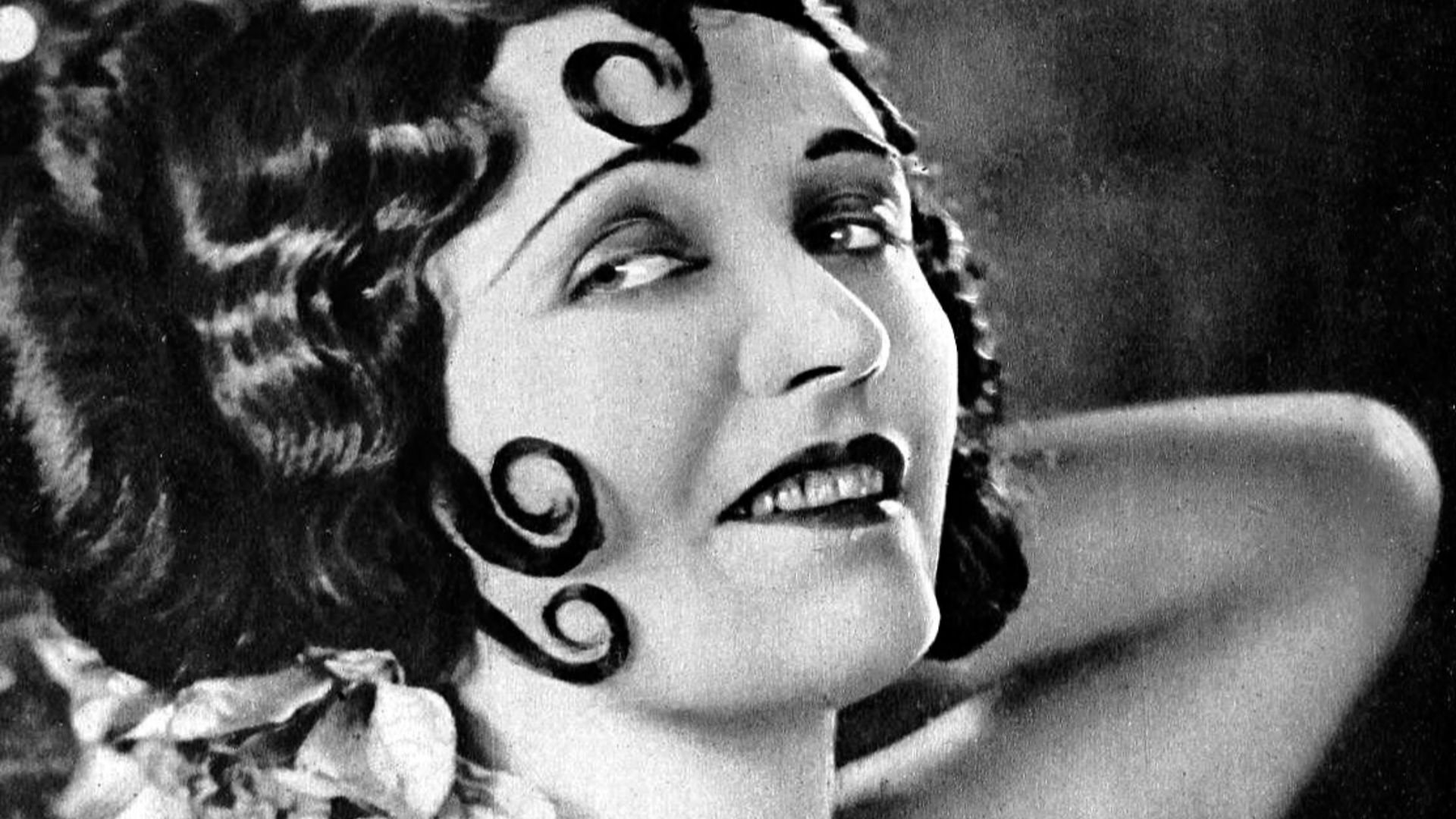
12. Spit Curls
Small curls arranged against the forehead or cheeks became popular details in several glamorous hairstyles during the early 20th century. Performers and screen actresses helped popularize them, particularly when paired with dramatic makeup. Because these looks were associated with entertainment and flirtatious screen characters, they could seem provocative to people who preferred more restrained appearances.
13. Blond Wigs in Ancient Rome
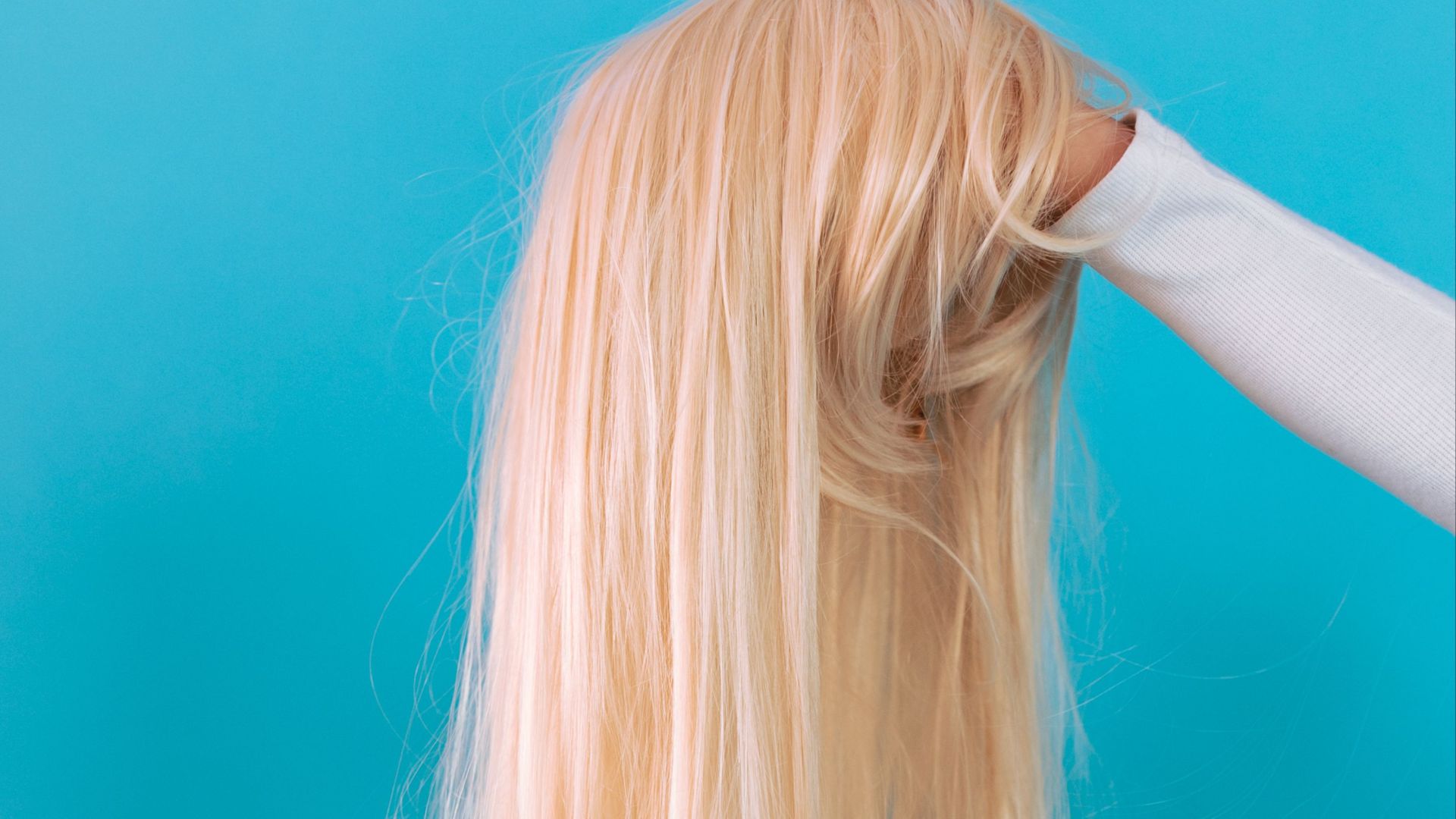
Blond hair developed associations with prostitution in ancient Rome, partly because it was linked to women from northern European territories. Some historical accounts suggest prostitutes were required to wear blond hair or wigs to distinguish themselves from ordinary women. However, wealthy Roman women also adopted blond wigs and dyes, proving the color wasn't limited to any particular social group.
14. The Platinum Blond Look
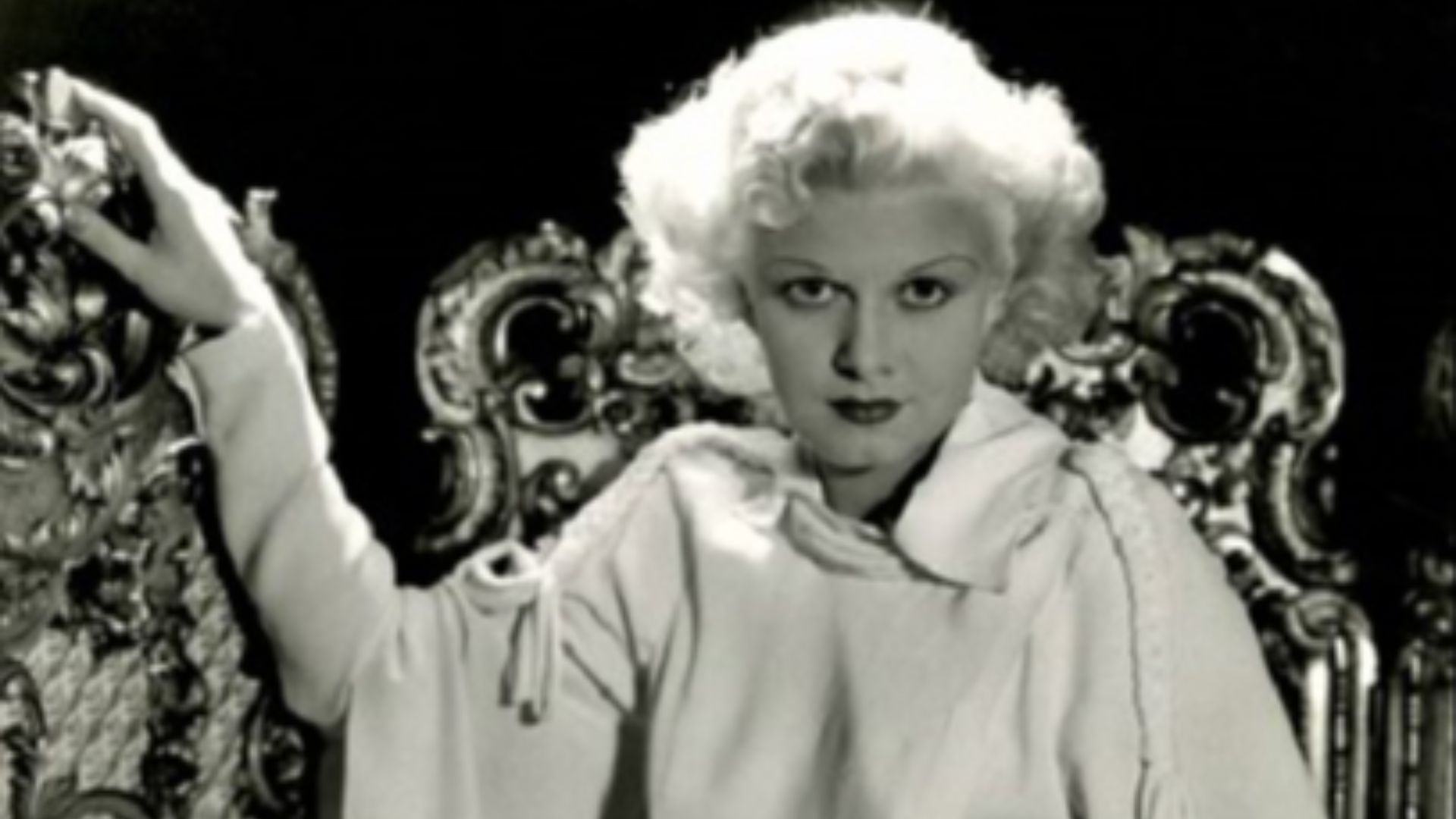
During the 1930s, actresses such as Jean Harlow helped make extremely light blond hair a glamorous Hollywood trend. Harlow's provocative screen persona contributed to the association between platinum hair and sexually confident women. Conservative audiences sometimes criticized early Hollywood's glamorous image, particularly when actresses played characters who challenged conventional expectations.
 Russell Ball (1896-1942) on Wikimedia
15. The Peekaboo Hairstyle
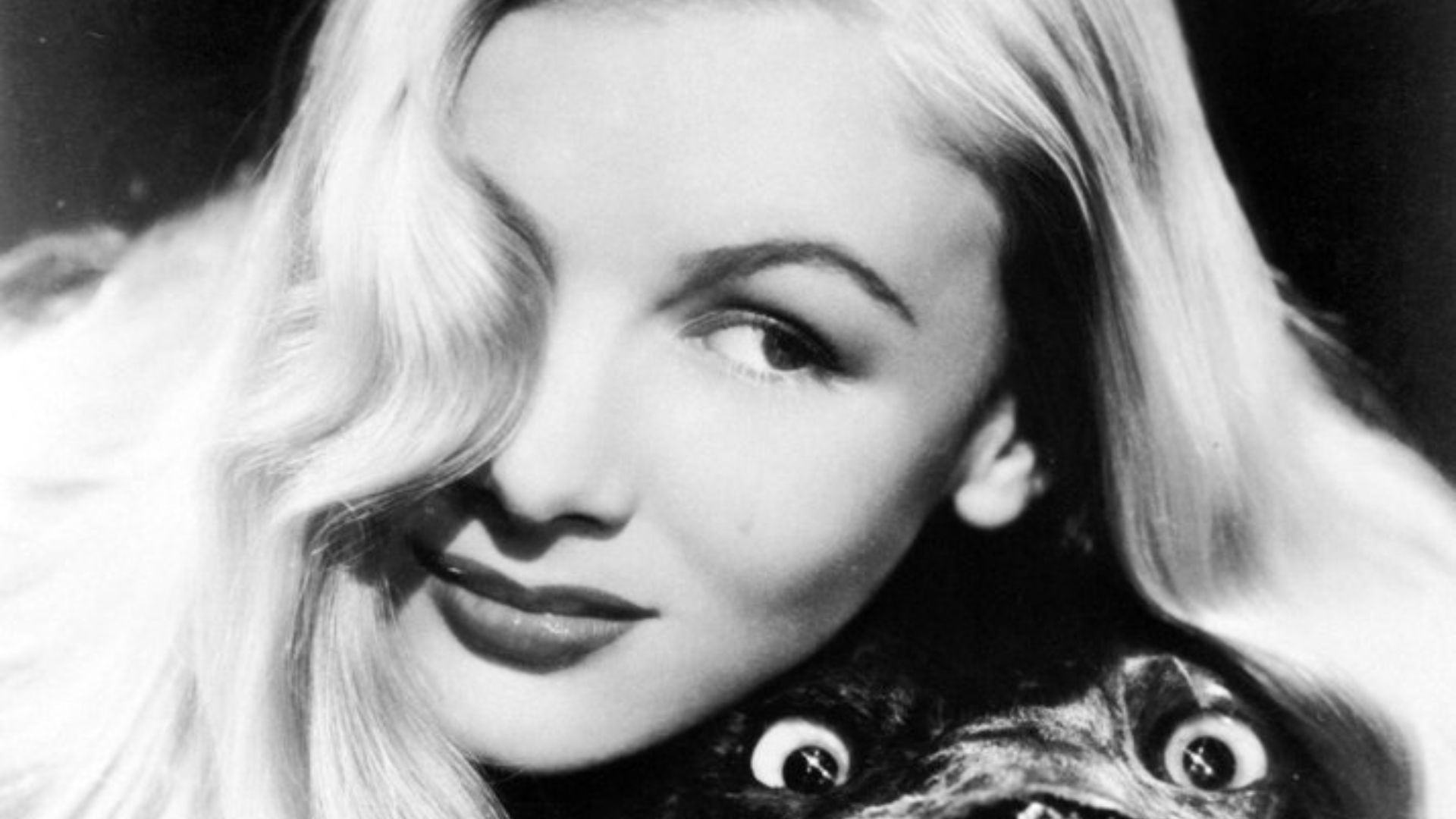
Actress Veronica Lake popularized a glamorous hairstyle during the 1940s that featured long, flowing hair partially covering one eye. Its alluring appearance became closely associated with Hollywood glamour and mysterious female characters. Although plenty of respectable women copied the style, its cinematic associations gave it a seductive reputation. The look also raised practical concerns during World War II, when women working around machinery were encouraged to keep their hair safely secured.
16. Pin-Up Curls
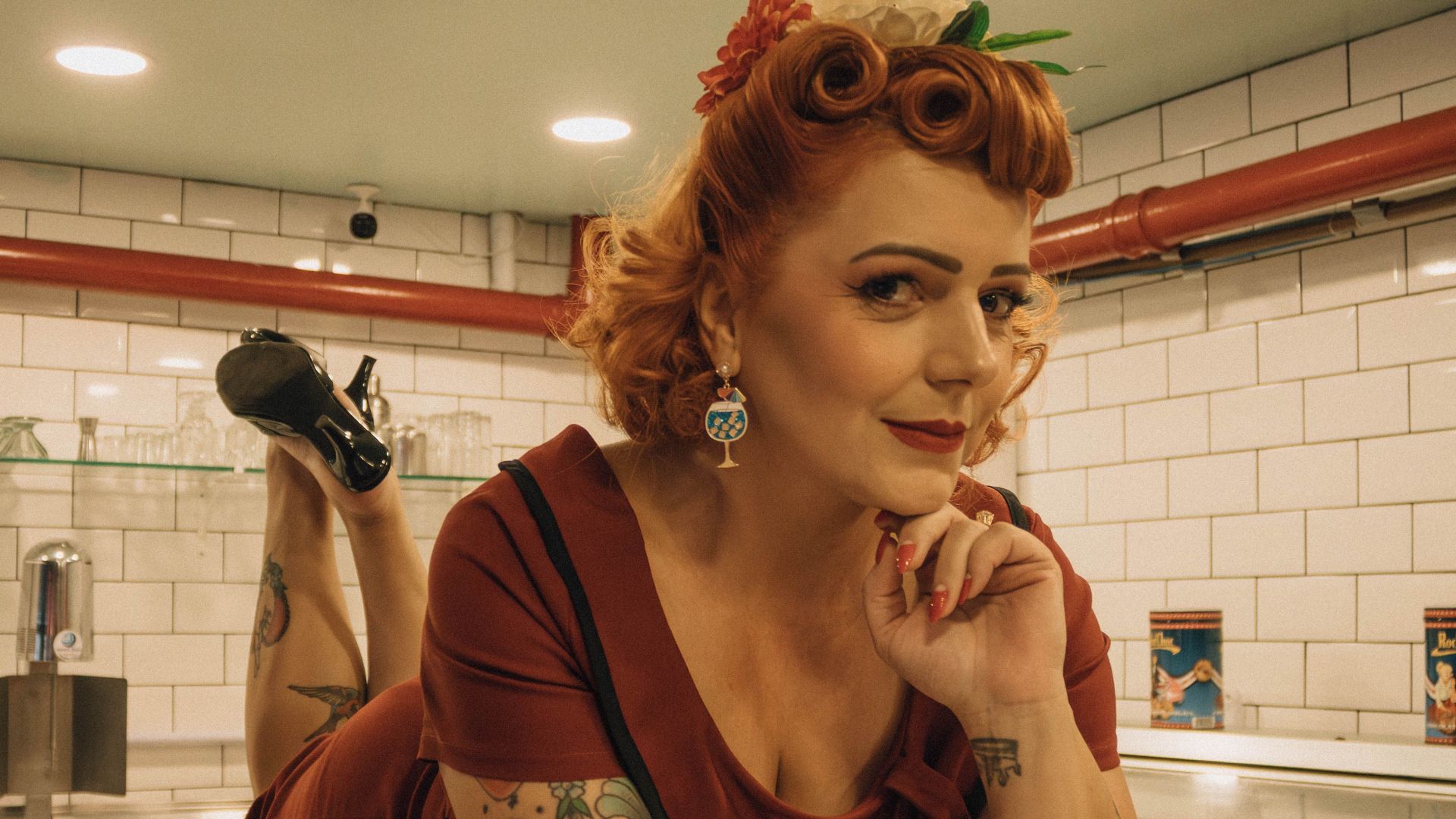
Carefully arranged curls and rolls became popular during the 1940s, particularly through images of actresses and pin-up models. These hairstyles weren't inherently controversial, but their association with suggestive photographs could make them seem flirtatious. Women wearing more exaggerated versions might have been compared to entertainers rather than the modest domestic ideal promoted in conservative circles.
 Mayara Caroline Mombelli on Pexels
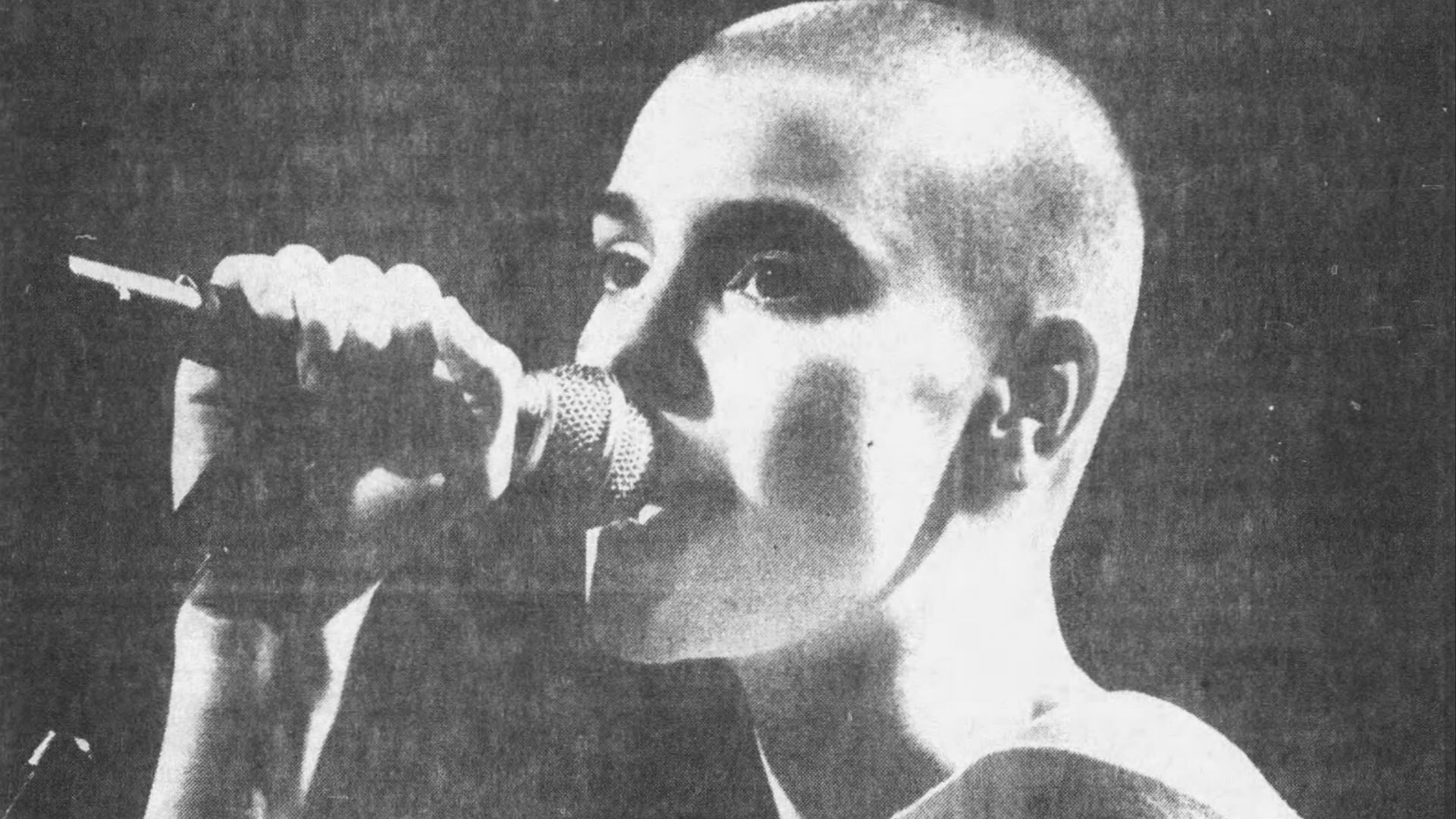
17. The Shaved Head
When Irish singer Sinéad O'Connor rose to fame in the late 1980s, her shaved head challenged conventional expectations of feminine beauty. During the 1970s and 1980s, shaved heads became associated with punk culture and women who rejected traditional beauty standards. The look challenged the expectation that women should have long, feminine hair, making it particularly controversial in conservative circles.
 Globe photo/Dave Shea on Wikimedia
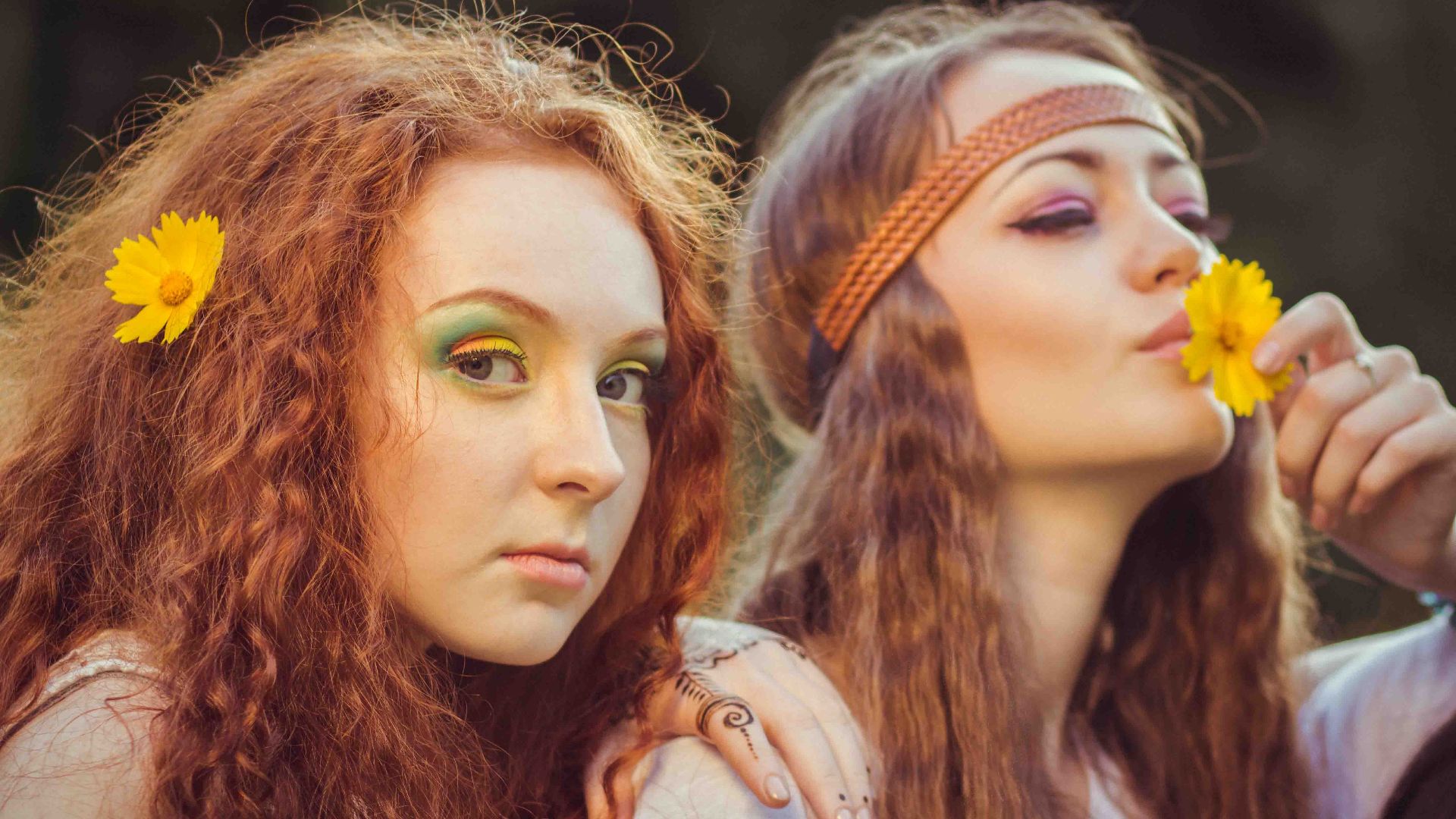
18. Long, Unstyled Hippie Hair
During the late 1960s, long, naturally flowing hair became associated with the growing counterculture movement. Young women rejected carefully arranged hairstyles in favor of a relaxed appearance that reflected changing attitudes toward beauty and personal freedom. Because hippies were frequently linked to protests, unconventional relationships, and drug experimentation, conservative observers sometimes viewed their appearance as evidence of questionable values. For many women, however, wearing their hair naturally was simply a way to reject restrictive expectations.
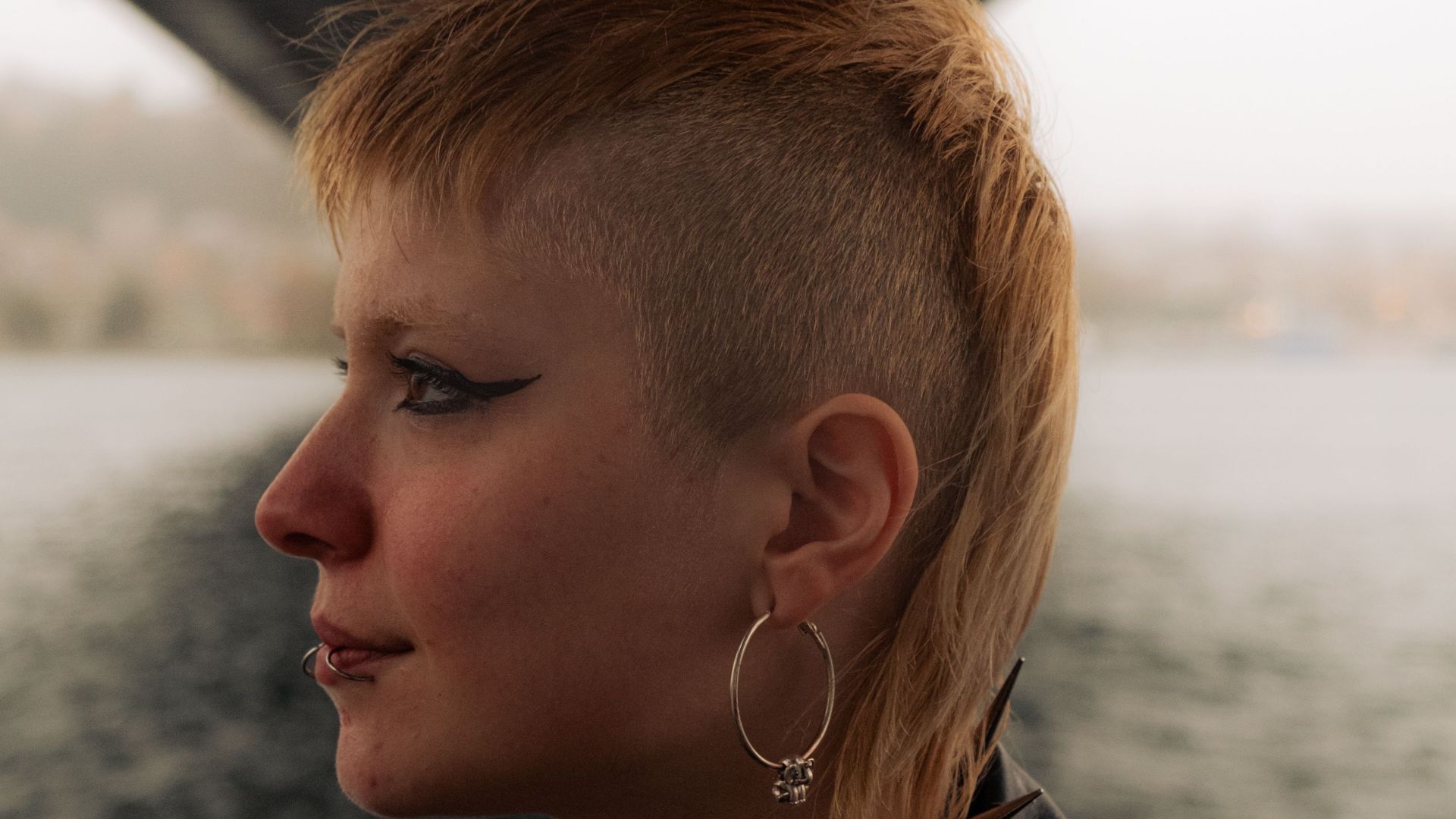
19. The Punk Mohawk
The mohawk became a recognizable symbol of punk culture during the late 1970s and 1980s, particularly when styled into dramatic spikes. Women who adopted the look rejected traditional standards of feminine beauty, often pairing it with unconventional clothing and piercings. Punk culture's confrontational reputation meant wearers could be judged as troublesome or rebellious before anyone even spoke to them. Unlike earlier hairstyles that attracted unwanted criticism, the punk mohawk was often intended to challenge mainstream expectations.
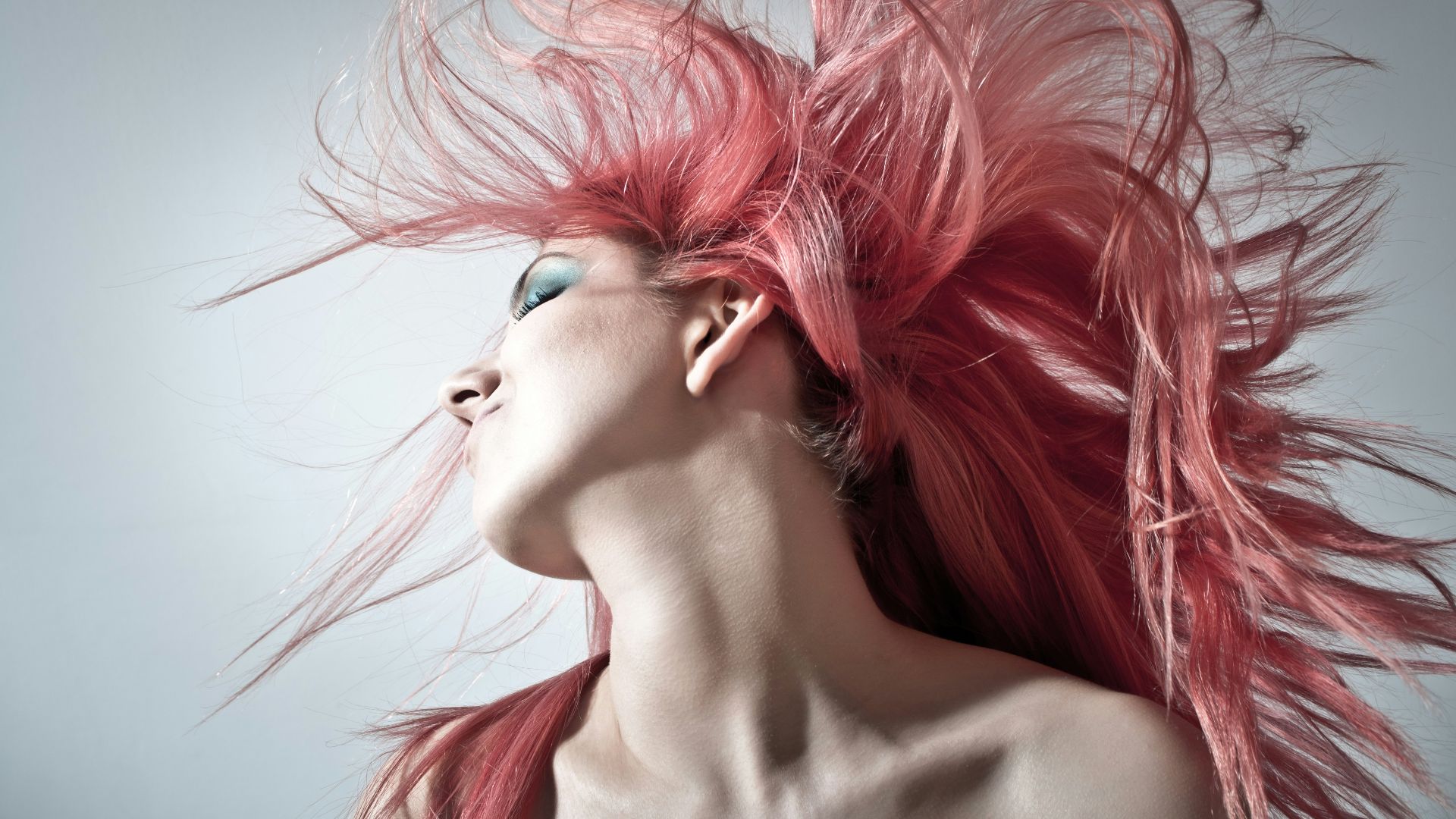
20. Brightly Dyed Punk Hair
Electric pink, green, blue, and other unnatural hair colors became prominent features of punk fashion during the late 1970s and 1980s. These striking shades challenged the expectation that women should maintain conventionally attractive, natural-looking hairstyles. Conservative employers, parents, and authority figures sometimes interpreted colorful hair as a sign of rebellion or an unwillingness to follow social rules. Today, brightly dyed hair is much more widely accepted, but its early popularity was closely tied to a culture that deliberately embraced nonconformity.