
20 Tattoos That Have Completely Switched Meanings Over Time
The Same Ink Can Tell a Very Different Story
Tattoos have always picked up new meanings as they move between generations, countries, and subcultures. A design that once showed where a sailor had traveled or hinted at a person's criminal past might now be chosen simply because it looks good on an ankle. Some symbols have changed so dramatically that their original associations would probably surprise the people wearing them today. Here are 20 tattoos that have been seriously reinterpreted over the years.

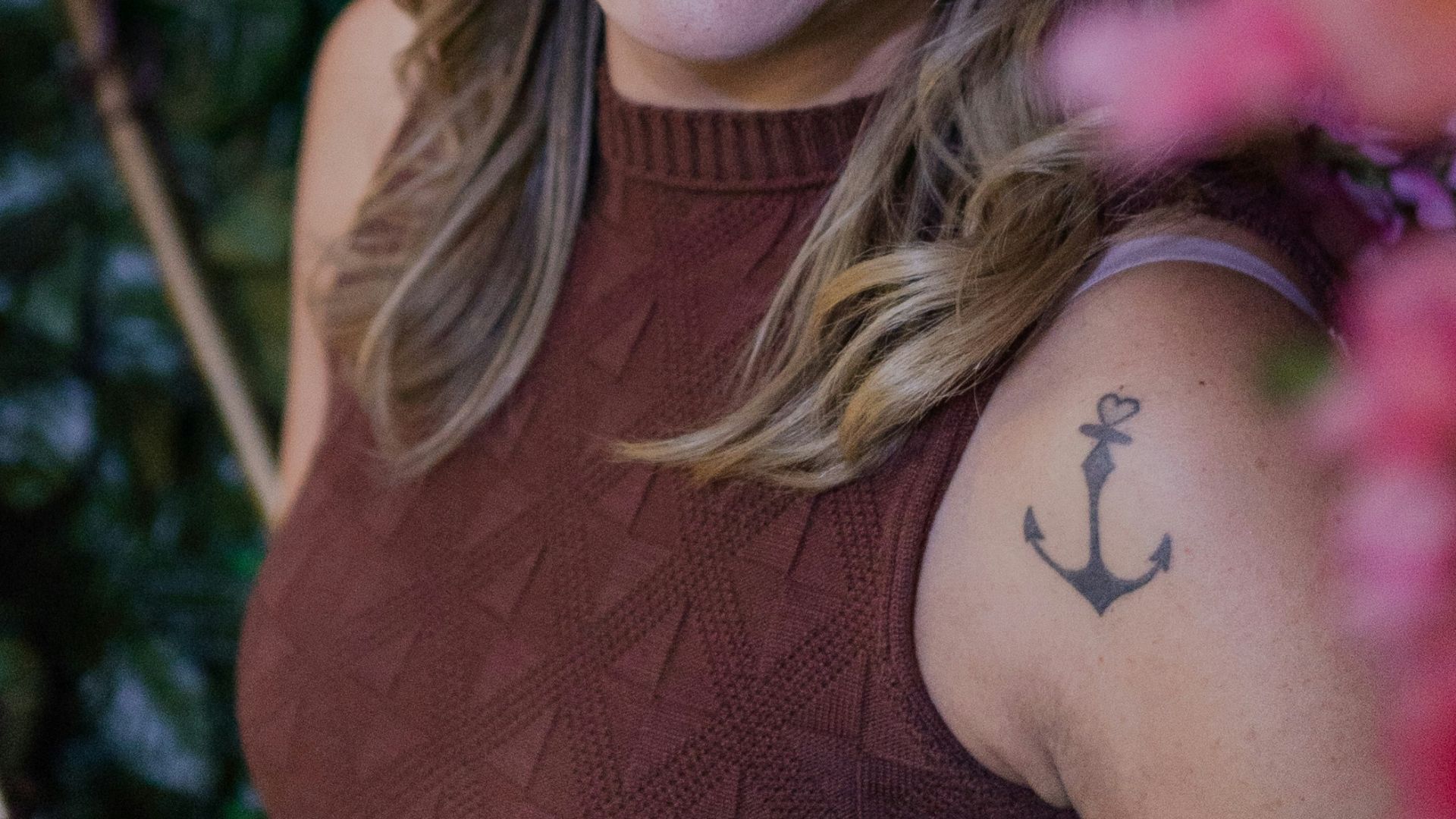
1. The Anchor
For traditional sailors, an anchor wasn't simply a symbol of feeling grounded. In American naval tradition, it could indicate that a mariner had crossed the Atlantic. Today, anchors are much more likely to represent stability, strength, family, or a person who keeps you steady.
 Rodrigo Rodrigues | WOLF Λ R T on Unsplash
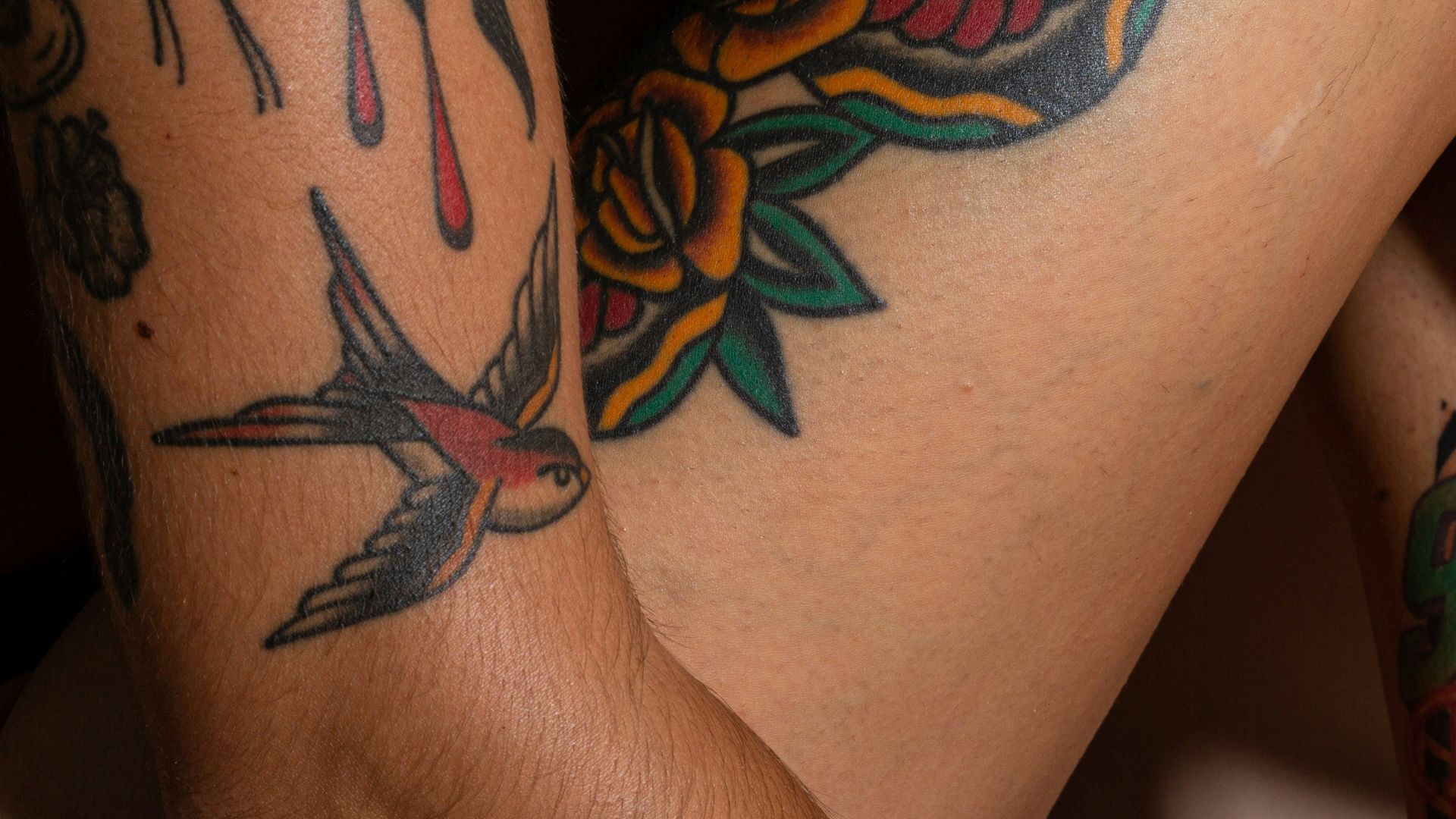
2. The Swallow
A swallow once functioned almost like a sailor's résumé, with maritime traditions connecting the birds to distance traveled and returning safely home. Seeing the bird also carried special significance for sailors because swallows could signal that land was nearby. Modern swallow tattoos have loosened considerably from those rules and are commonly associated with everything from freedom to loyalty.
 Stories & Ink Tattoo Care on Unsplash
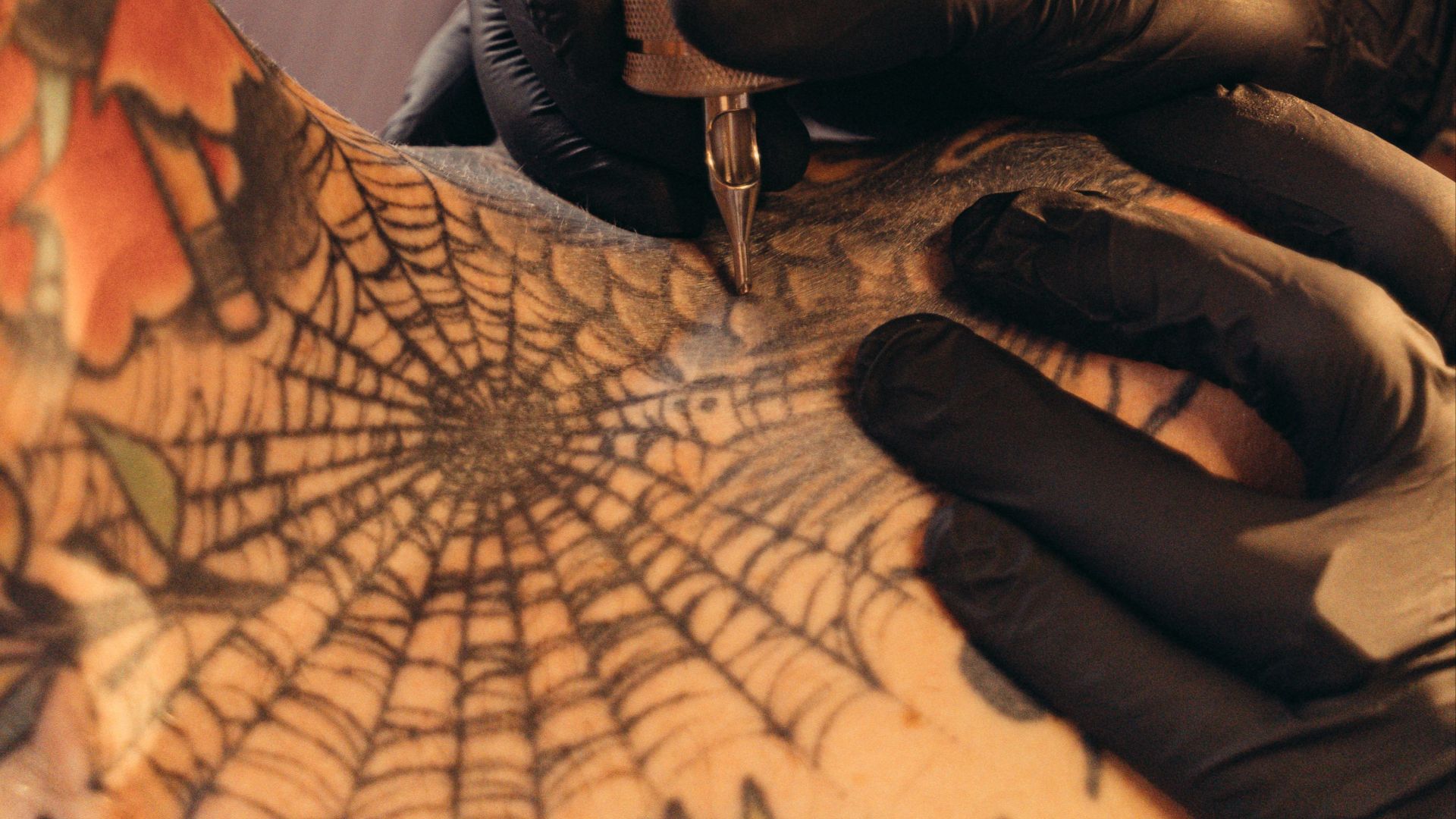
3. The Spiderweb
Spiderweb tattoos gained some particularly heavy associations during the 20th century, especially with prison culture, where they could suggest that someone had spent a long stretch behind bars. In certain settings, the design has also been connected to extremist groups, although those associations aren't universal. These days, plenty of people wear spiderwebs simply because they suit gothic, punk, or traditional tattoo aesthetics.
4. Barbed Wire
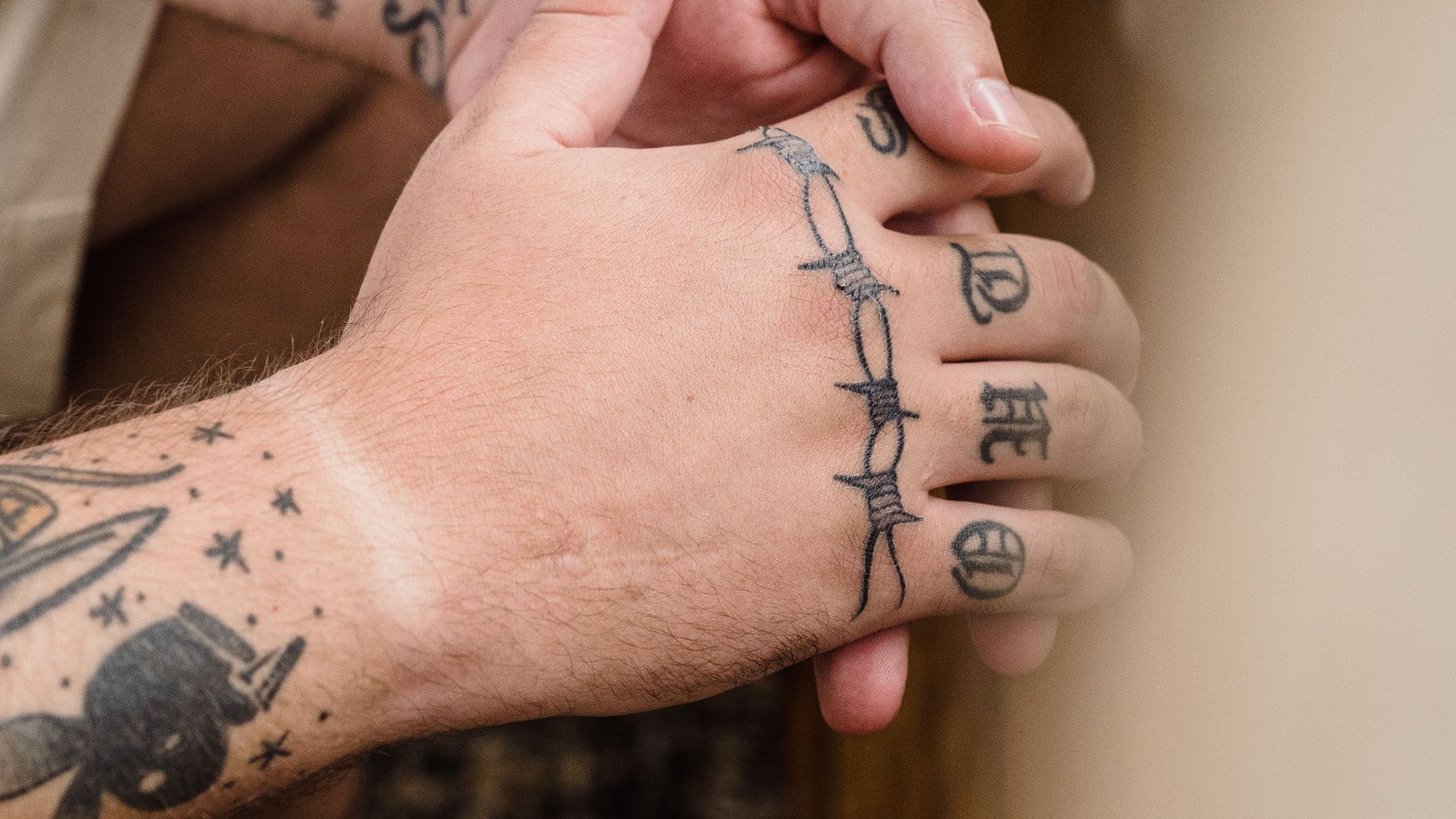
There was a time when barbed-wire tattoos looked rough for a reason, since the imagery could suggest imprisonment, hardship, rebellion, or life on society's edges. Then the design exploded into mainstream pop culture during the 1990s, especially as barbed-wire armbands became fashionable. It's now enjoying another revival, and younger wearers are often choosing delicate or stylized versions with little connection to its tougher reputation.
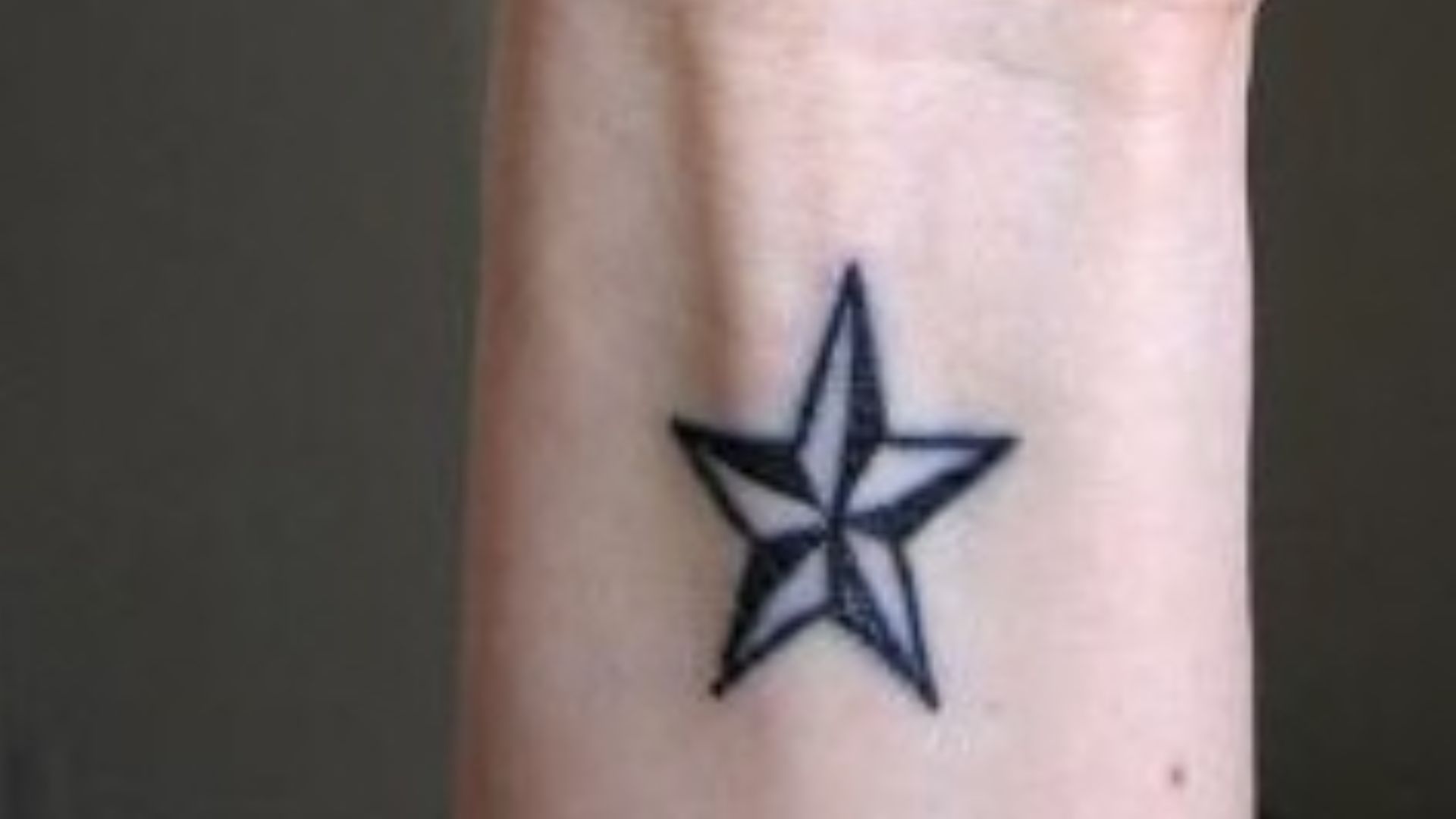
5. The Nautical Star
Sailors traditionally used the nautical star as a symbol of guidance, with the idea that it would help them find their way home. Over the decades, however, it moved through punk, rockabilly, and other alternative scenes before becoming one of the most recognizable tattoo designs of the 2000s. Someone sporting one today might be expressing direction in life, nostalgia for an earlier tattoo era, or no specific symbolism whatsoever.
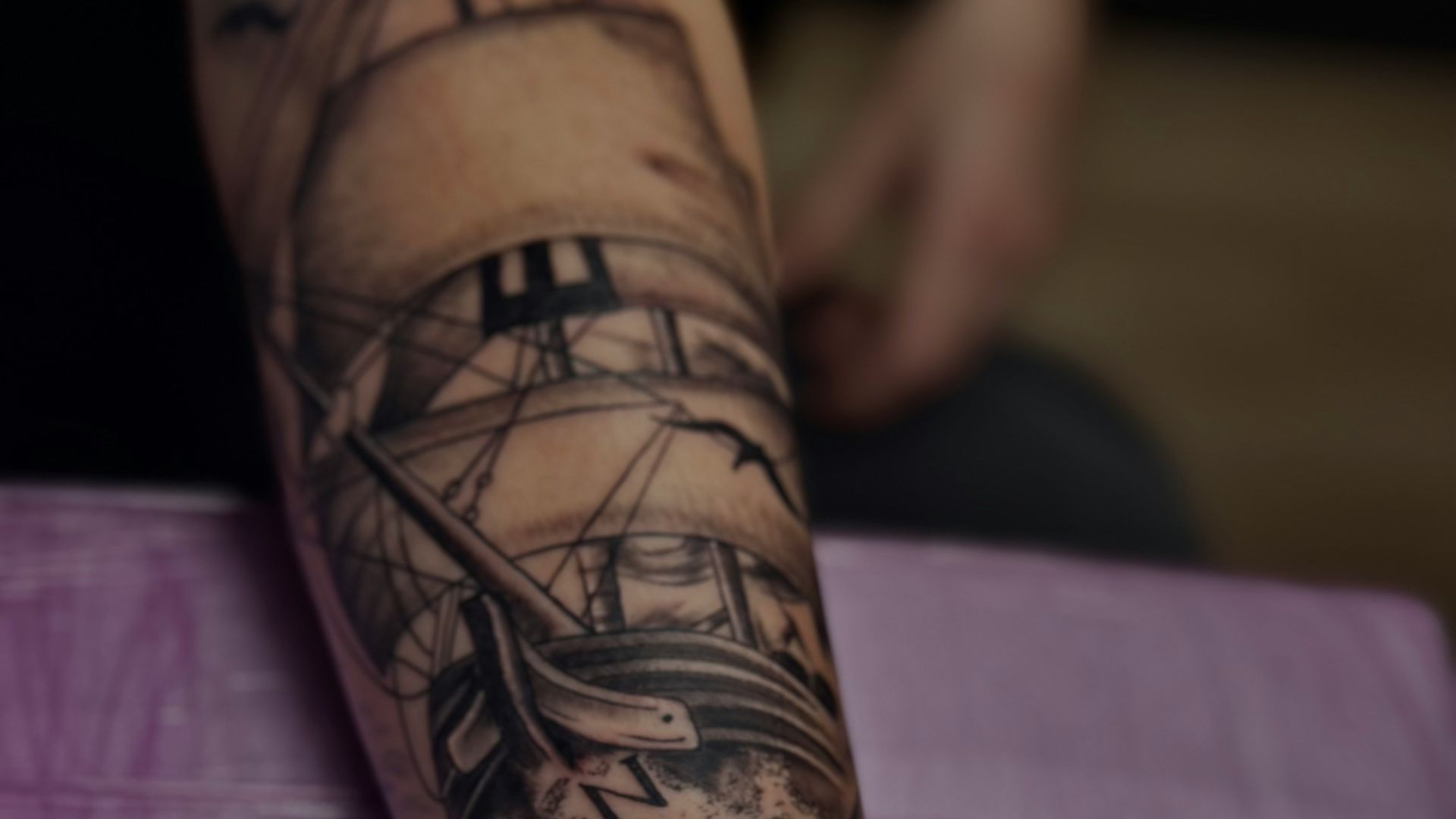
6. The Full-Rigged Ship
In maritime tattoo tradition, a full-rigged ship used to commemorate a sailor successfully rounding Cape Horn, a famously difficult voyage. Now, ship tattoos usually represent adventure, independence, exploration, or a general affection for the ocean rather than proof of an actual journey.
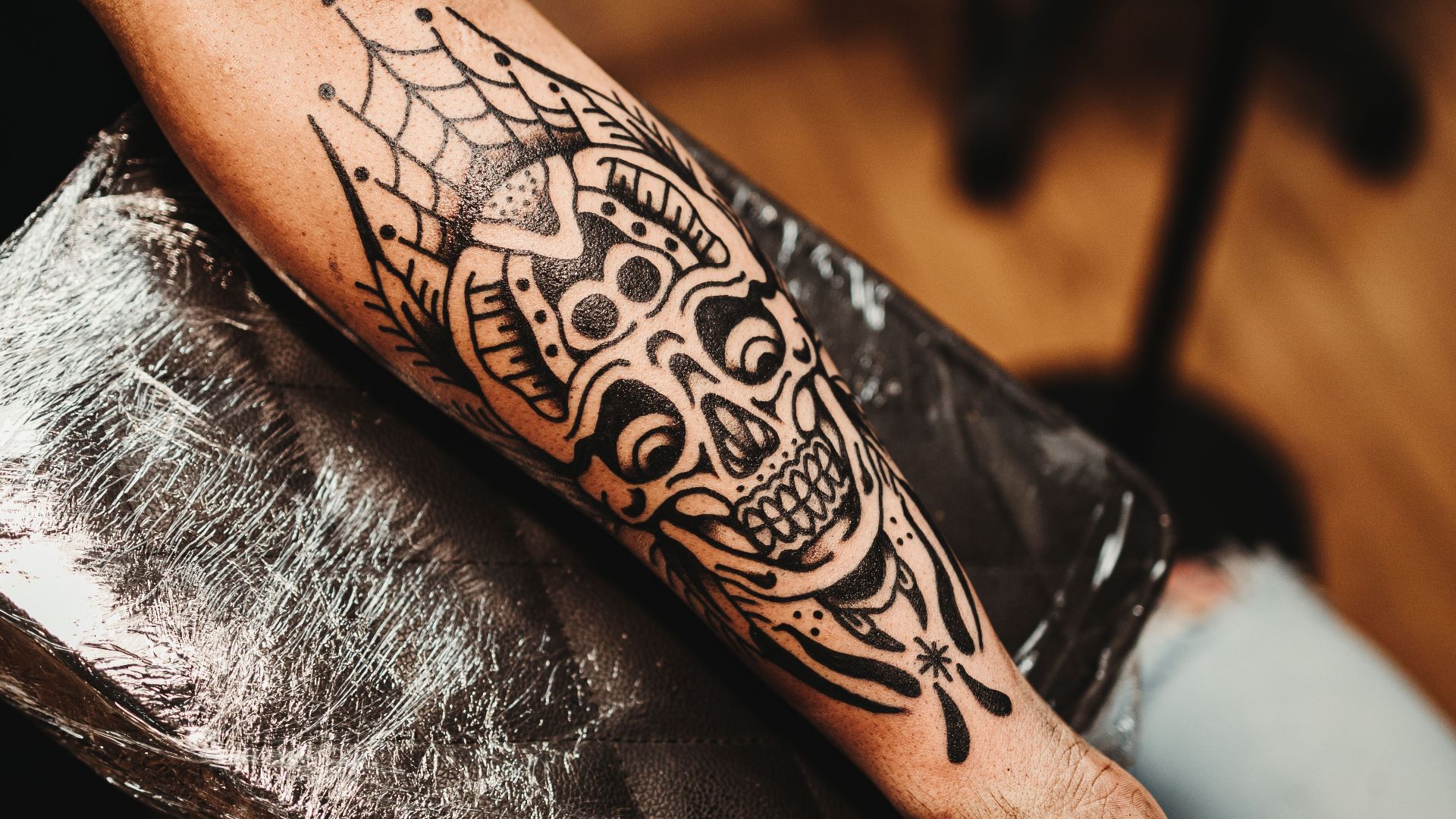
7. The Skull
Skulls have carried plenty of grim meanings throughout history, and in tattoo culture they were once strongly linked with mortality, danger, outlaws, soldiers, and people who weren't especially interested in looking respectable. Their reputation eventually softened as skull imagery moved into fashion, music, art, and mainstream tattooing.
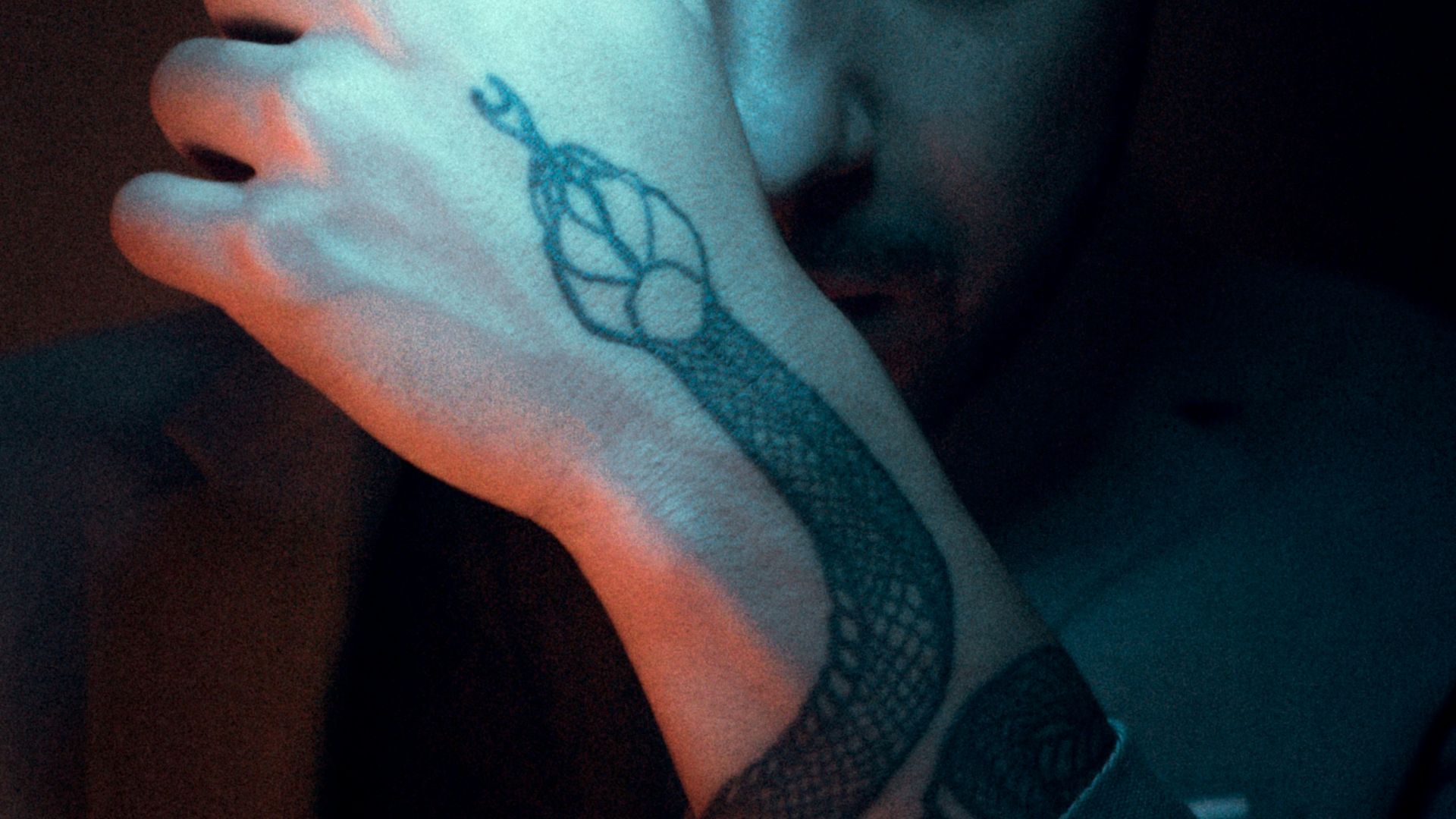
8. The Snake
Snake tattoos haven't always delivered the same message, even though the animal itself has been symbolic for thousands of years. In Western tattoo traditions, snakes could suggest danger, temptation, aggression, or the willingness to strike back. Contemporary designs, however, increasingly emphasize rebirth, transformation, healing, and personal growth because snakes shed their skin.
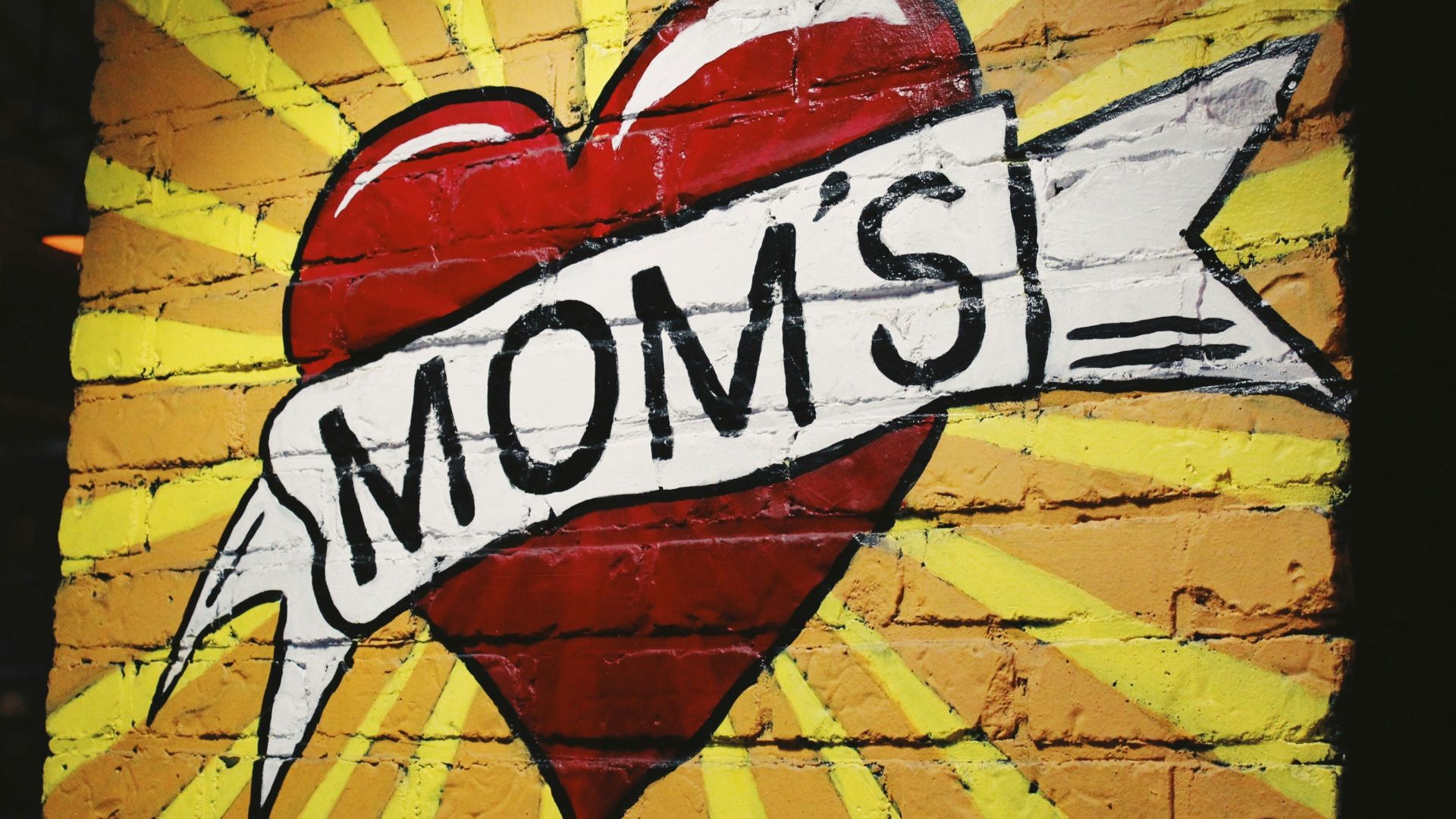
9. The Heart With “Mom”
A heart labeled “Mom” is practically wholesome now, but its tattoo history has much tougher roots than the design suggests. It became strongly associated with sailors, soldiers, bikers, and other heavily tattooed men who used sentimental designs to honor the women waiting back home. Today, it's deliberately sweet and often worn with a wink toward vintage tattoo culture.
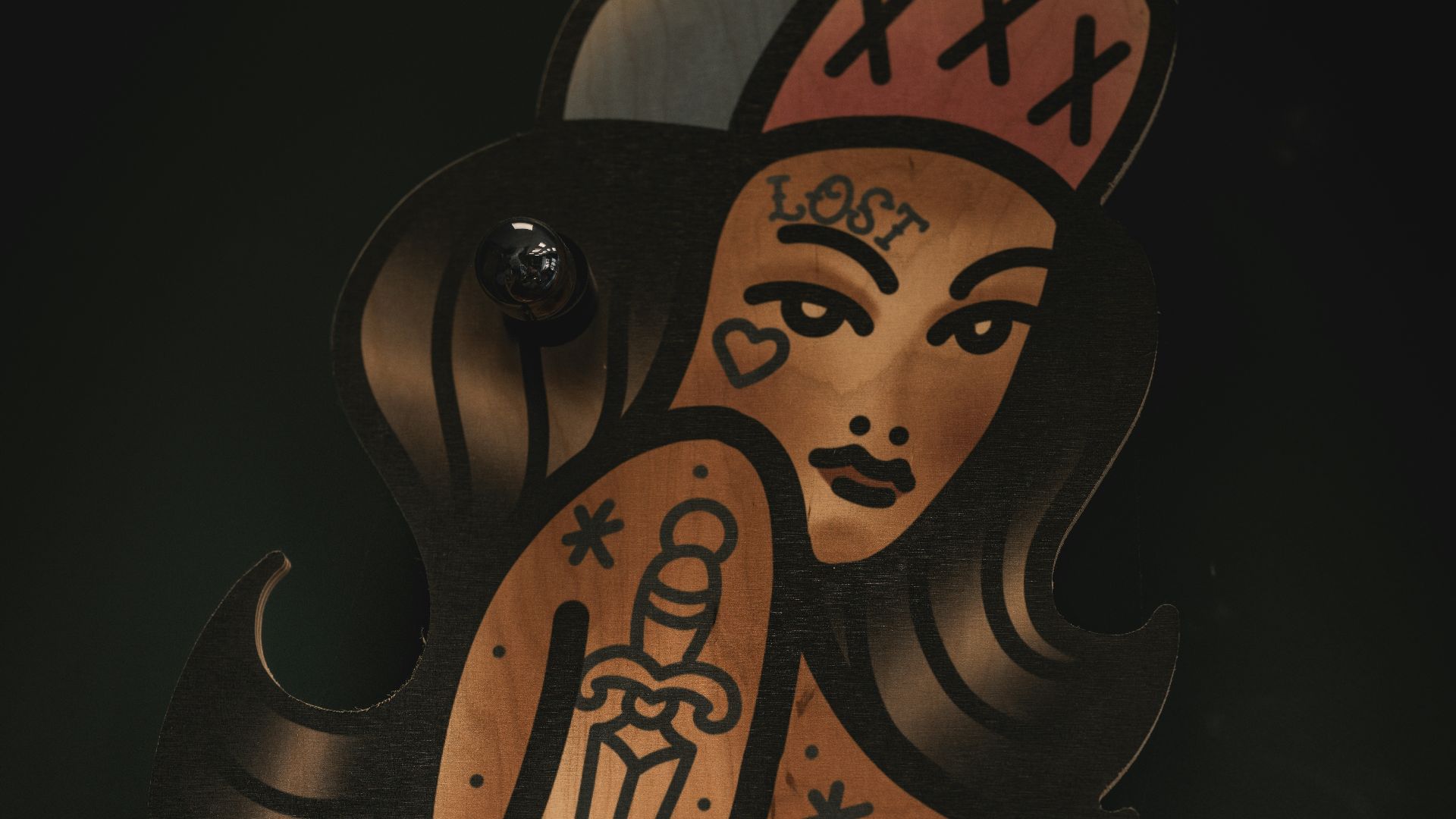
10. The Pin-Up Girl
Pin-up tattoos flourished among servicemen and sailors who wanted glamorous reminders of women back home or the fantasy pin-ups popular during the wartime era. For decades, they were firmly associated with masculine tattoo culture and could be fairly risqué by the standards of the day. Modern versions are worn by people of every gender and often celebrate retro fashion, body confidence, vintage illustration, or campy nostalgia.
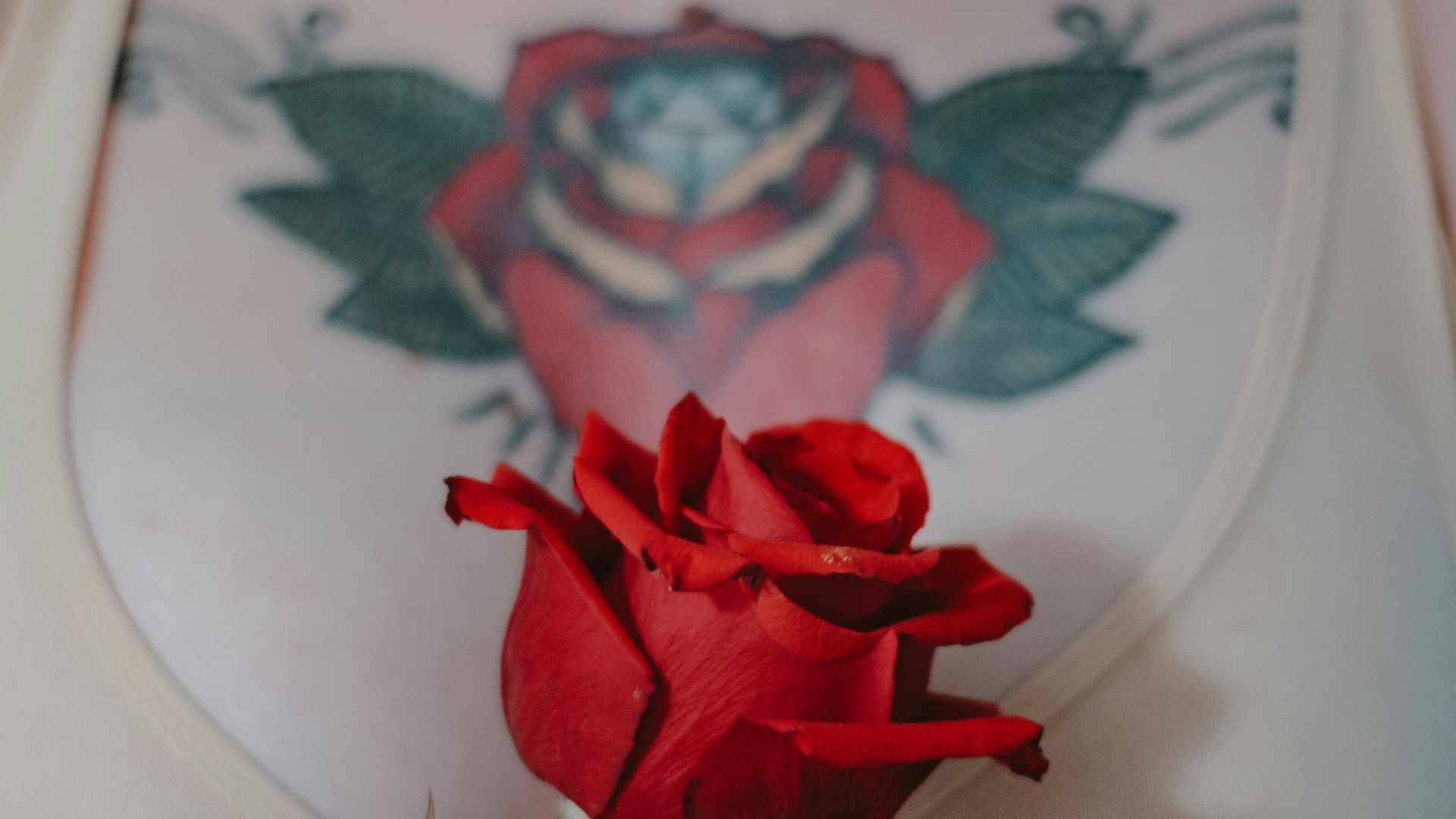
11. The Rose
Traditional tattoo roses frequently appeared alongside names, daggers, skulls, and hearts, where they could represent intense love, loss, sacrifice, or relationships complicated by pain. They became a staple of old-school tattoo culture rather than a delicate decoration. Roses are now so broadly popular that a single bloom may represent romance, a loved one, personal growth, femininity, or simply the fact that flowers look great in ink.
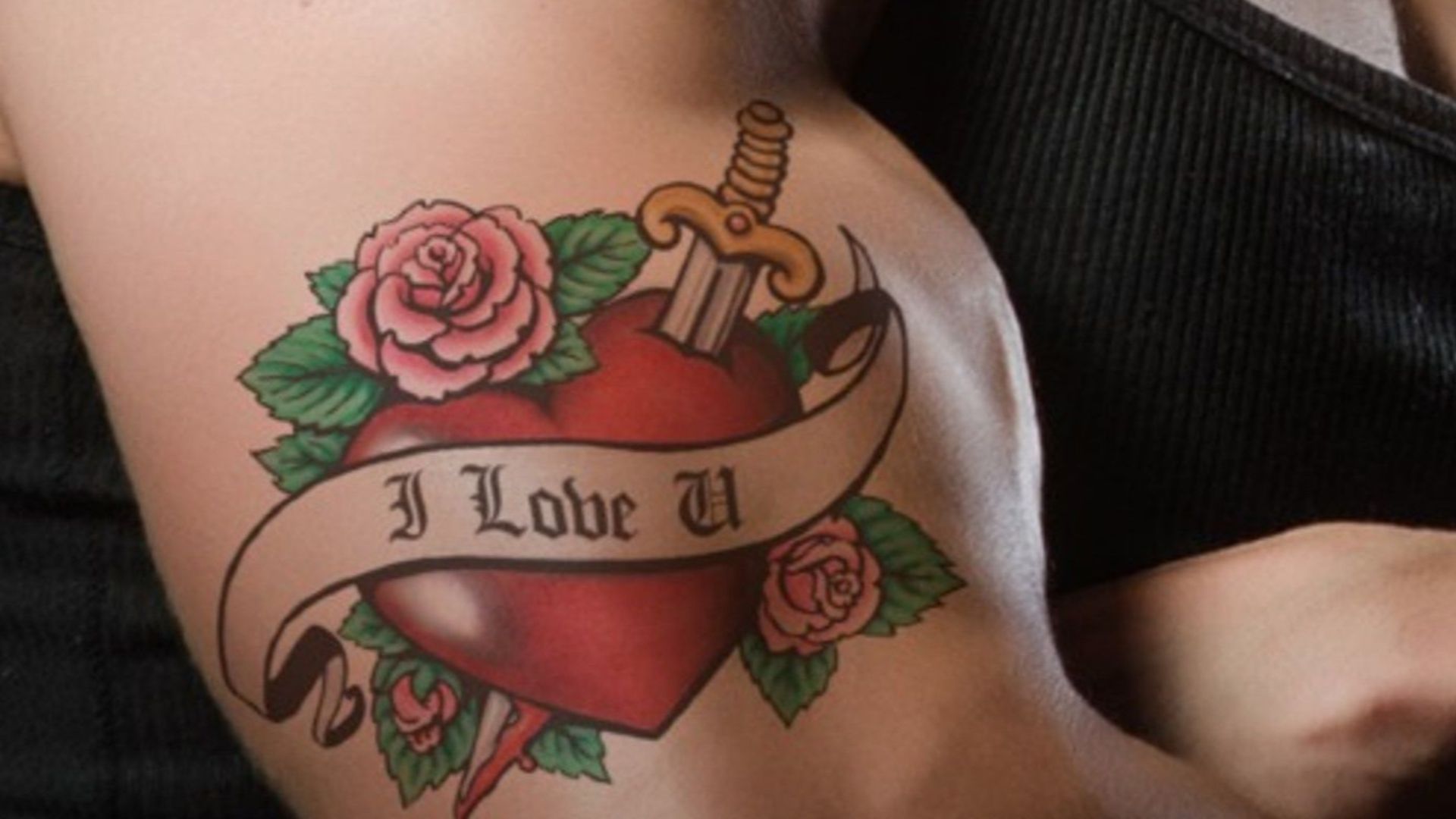
12. The Dagger Through a Heart
This dramatic design once came with an equally dramatic message. Within traditional sailor tattoo lore, a dagger piercing a heart could symbolize betrayal or a relationship destroyed by unfaithfulness, sometimes appearing alongside phrases about honor. Modern wearers frequently treat it as a broader symbol of heartbreak, surviving emotional pain, or classic Americana tattoo art without attaching it to one cheating ex.
13. The Butterfly
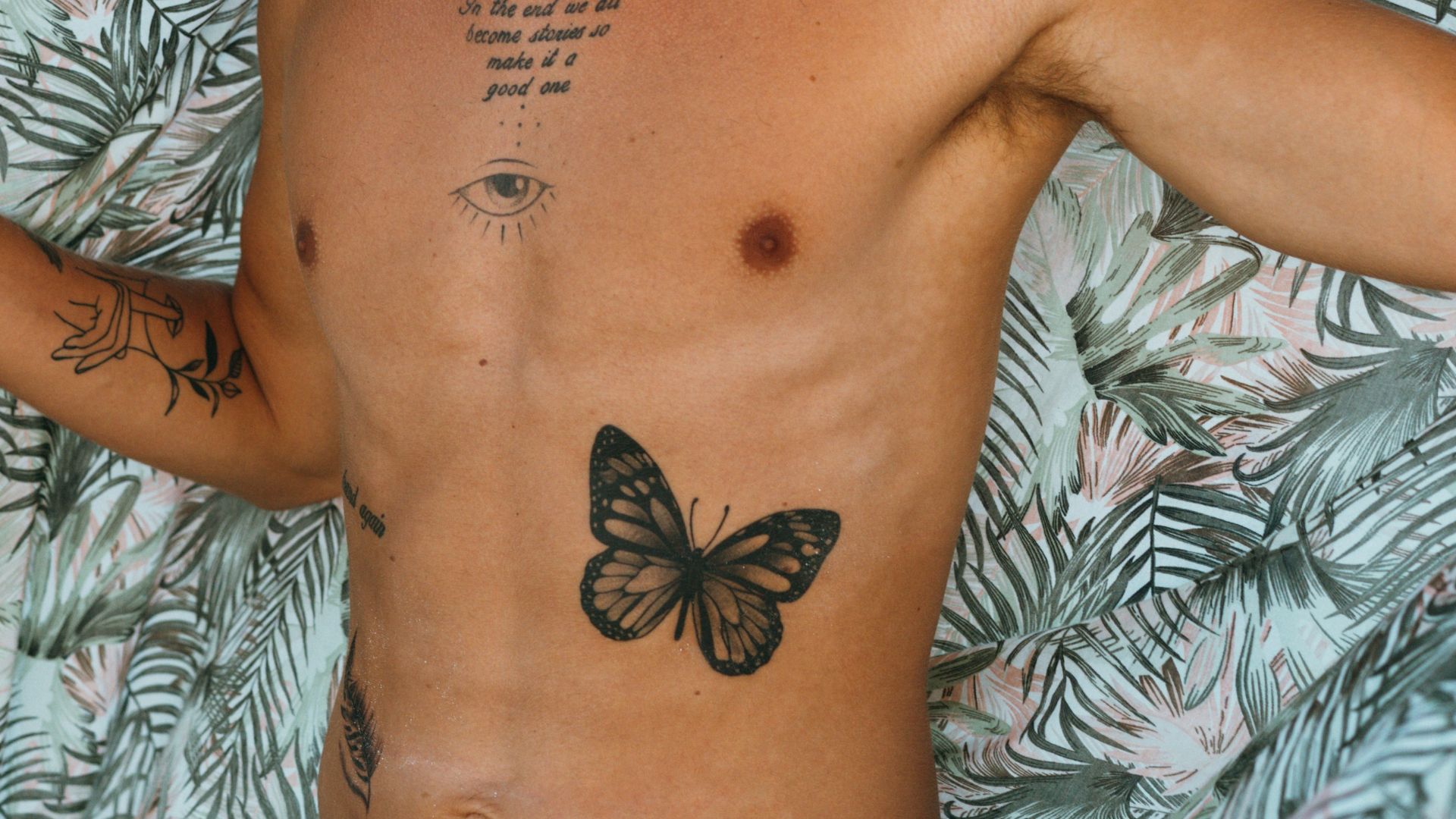
Butterflies have long represented transformation, resurrection, and the soul in different cultures, but their reputation within Western tattoo culture has gone through its own transformation. By the late 20th century, butterfly tattoos were often dismissed as overly feminine, trendy, or even slightly tacky, particularly when placed on the lower back. They've since returned in a big way, with younger tattoo fans embracing them as symbols of change, freedom, identity, and Y2K nostalgia.
14. The Tribal Armband
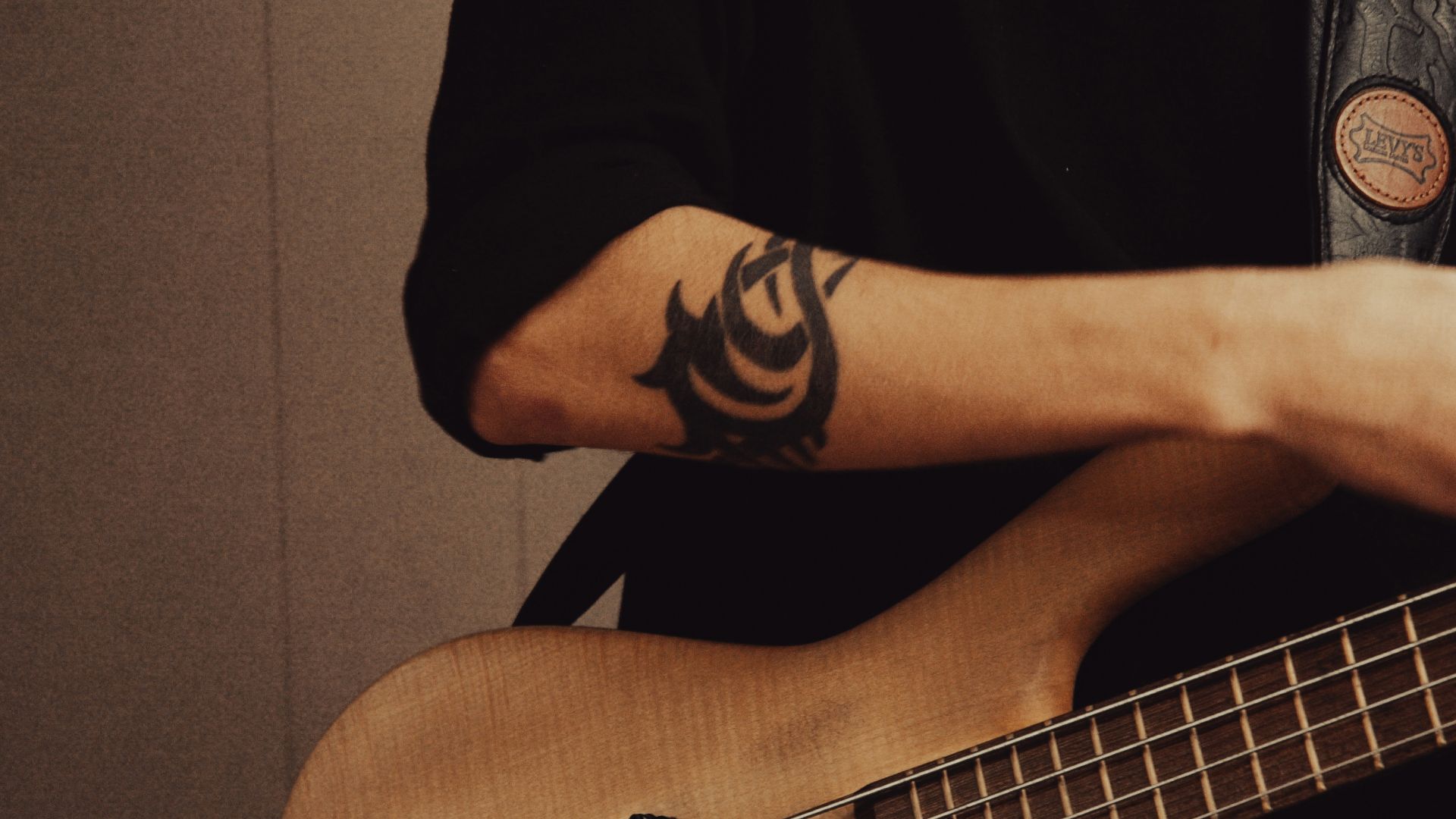
Bold black tribal-style tattoos became enormously popular in the 1990s, when many Western wearers treated the designs primarily as cool-looking body decoration. Today, most people recognize this as cultural appropriation, because traditional Indigenous tattoo practices can carry specific meanings in certain communities. Modern tattoo conversations increasingly distinguish between authentic cultural tattooing and the generic “tribal” designs once picked from studio flash books.
15. The Cross
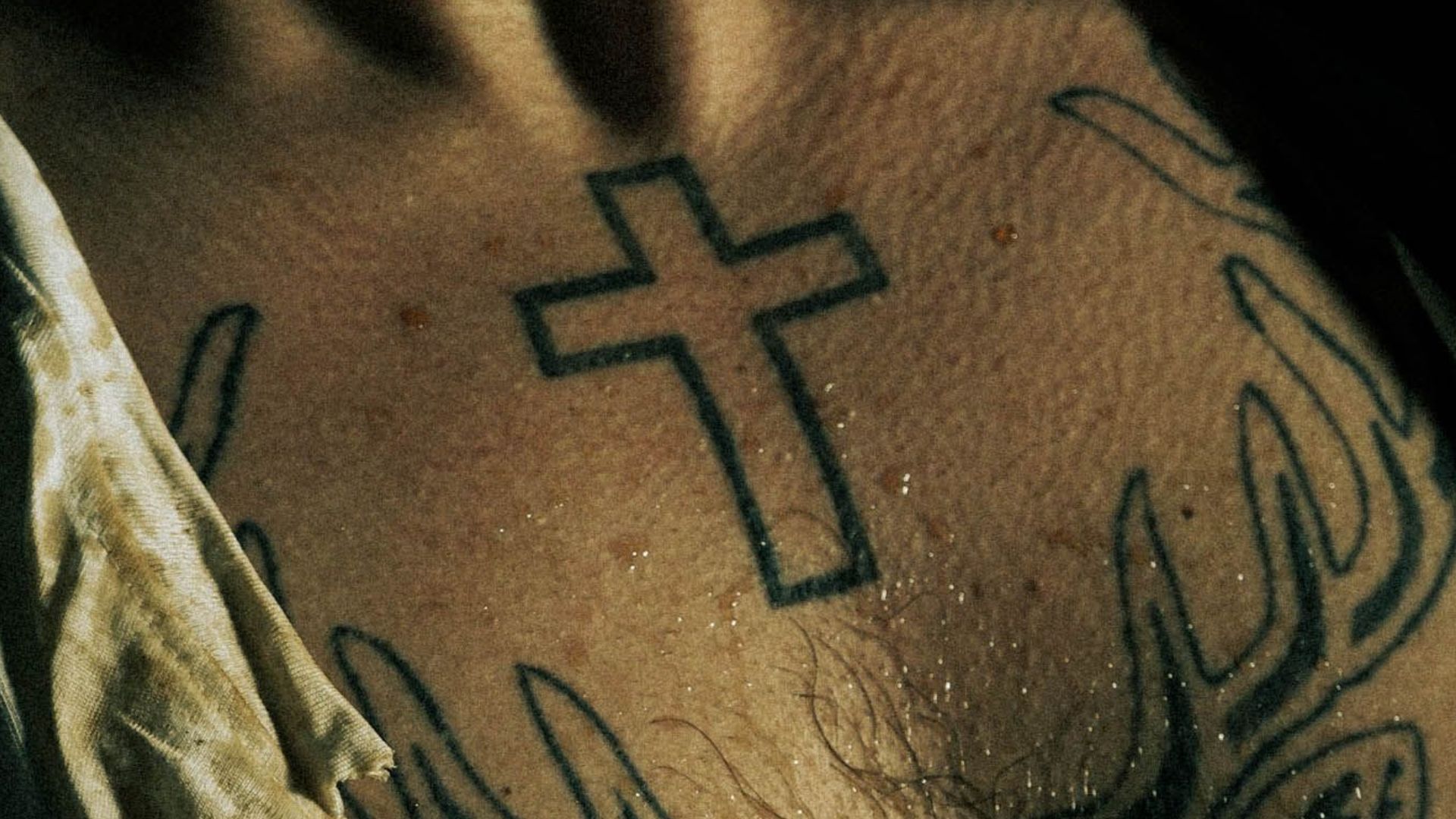
For much of tattoo history, getting a cross was a fairly direct declaration of Christian faith, remembrance, or spiritual protection. Sailors also incorporated crosses into superstitious traditions, including the belief that crosses on the feet could offer protection from sharks. Cross tattoos are now just as likely to appear as fashion statements, memorials, gothic imagery, or minimalist designs, so you can't automatically assume the wearer's religion from one.
 Jose Ángel Ruiz Olivares on Pexels
16. The Dragon
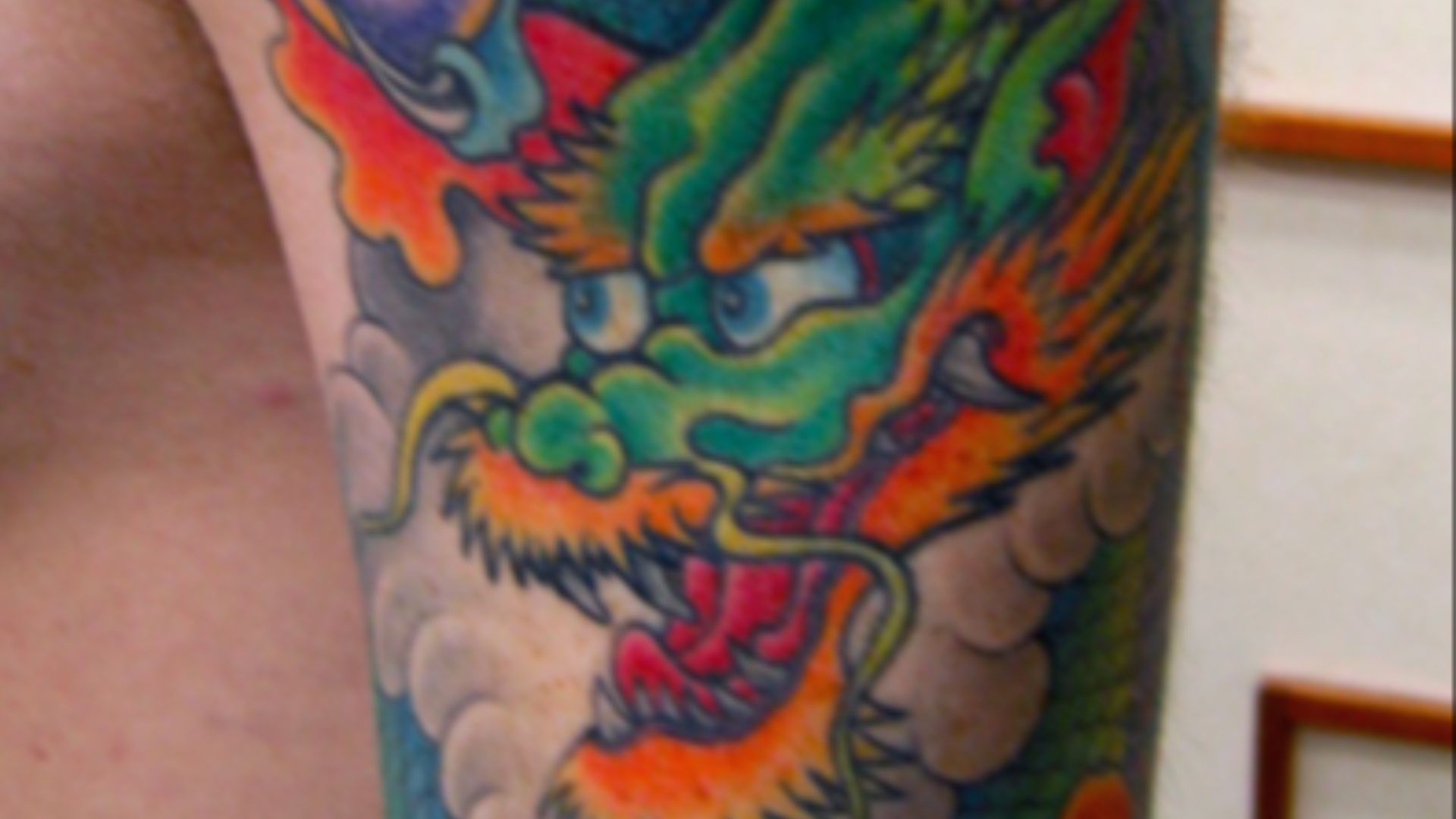
Dragons used to reveal much more about a Western sailor than an interest in mythical creatures. In U.S. naval tattoo tradition, an Asian dragon could indicate service in China, while a golden dragon became associated with crossing the International Date Line. Today's dragon tattoo might draw from Japanese, Chinese, European, fantasy, or pop-culture imagery, with meanings ranging from wisdom and luck to strength and sheer visual impact.
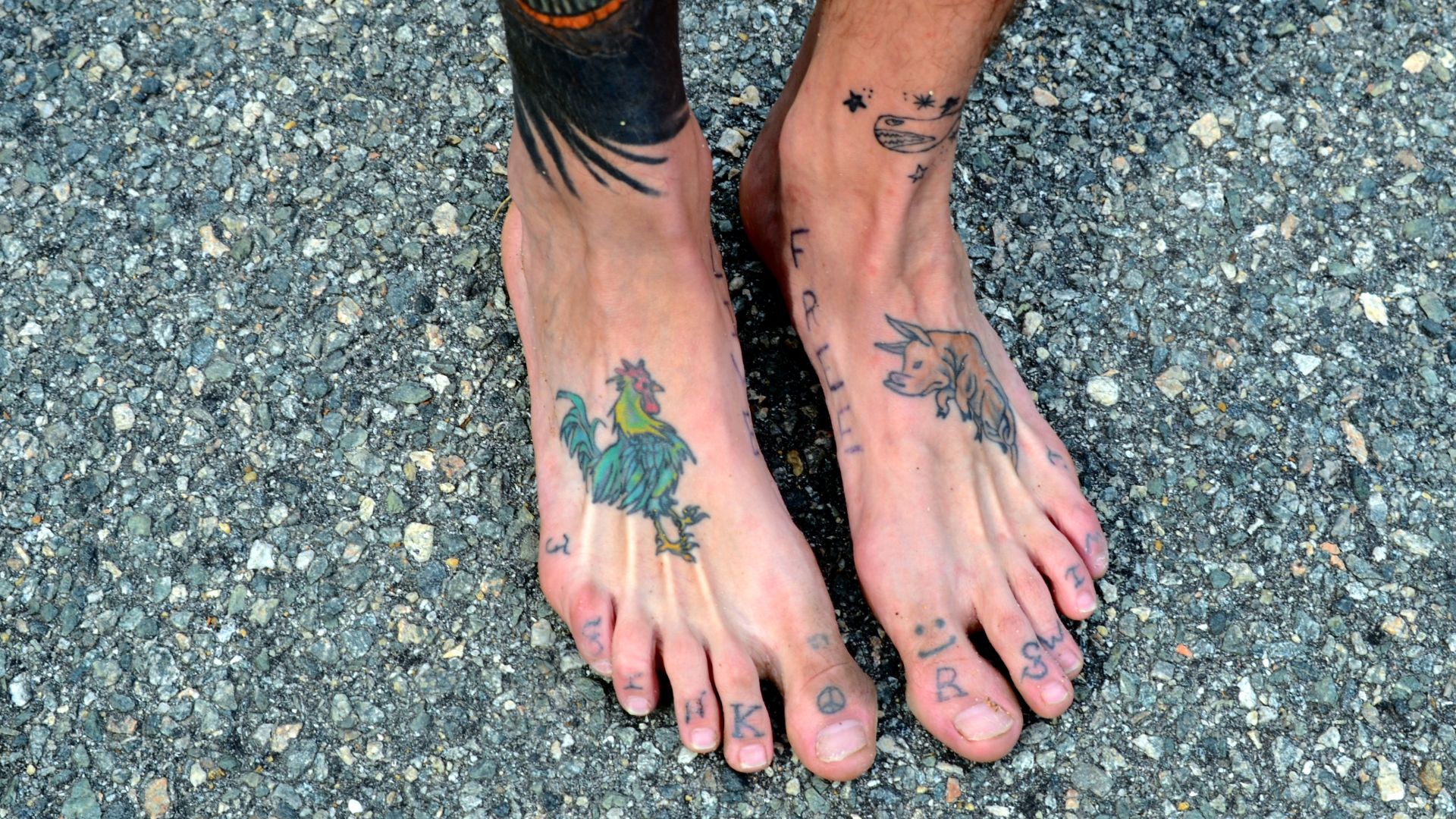
17. The Rooster & Pig
Few modern tattoo choices sound less intimidating than a pig and a rooster, but sailors once took the pairing very seriously. Traditionally tattooed on opposite feet, the animals were thought to protect a sailor from drowning, possibly because livestock transported in wooden crates sometimes survived shipwrecks. The designs have since become quirky pieces of nautical tattoo history, and many people choose them without expecting any emergency swimming assistance.
 Tony Alter from Newport News, USA on Wikimedia
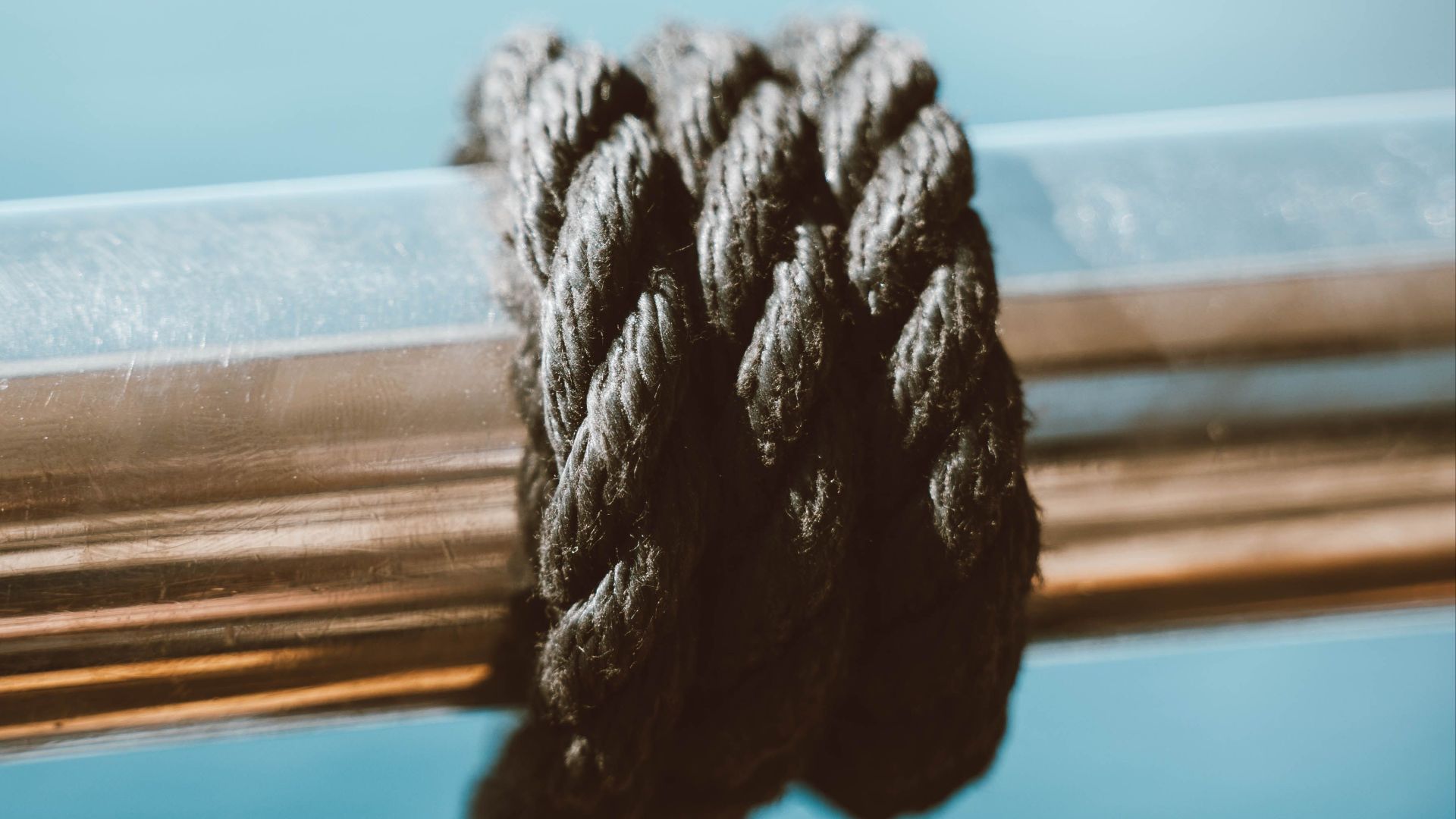
18. The Rope Around the Wrist
A rope tattoo around the wrist might currently suggest connection, perseverance, or someone's love of sailing. Historically, naval tattoo traditions could be much more literal, with a braided rope around the wrist identifying a deck division seaman. What once worked almost like an occupational badge can now be chosen by someone who's never tied anything more complicated than a shoelace.
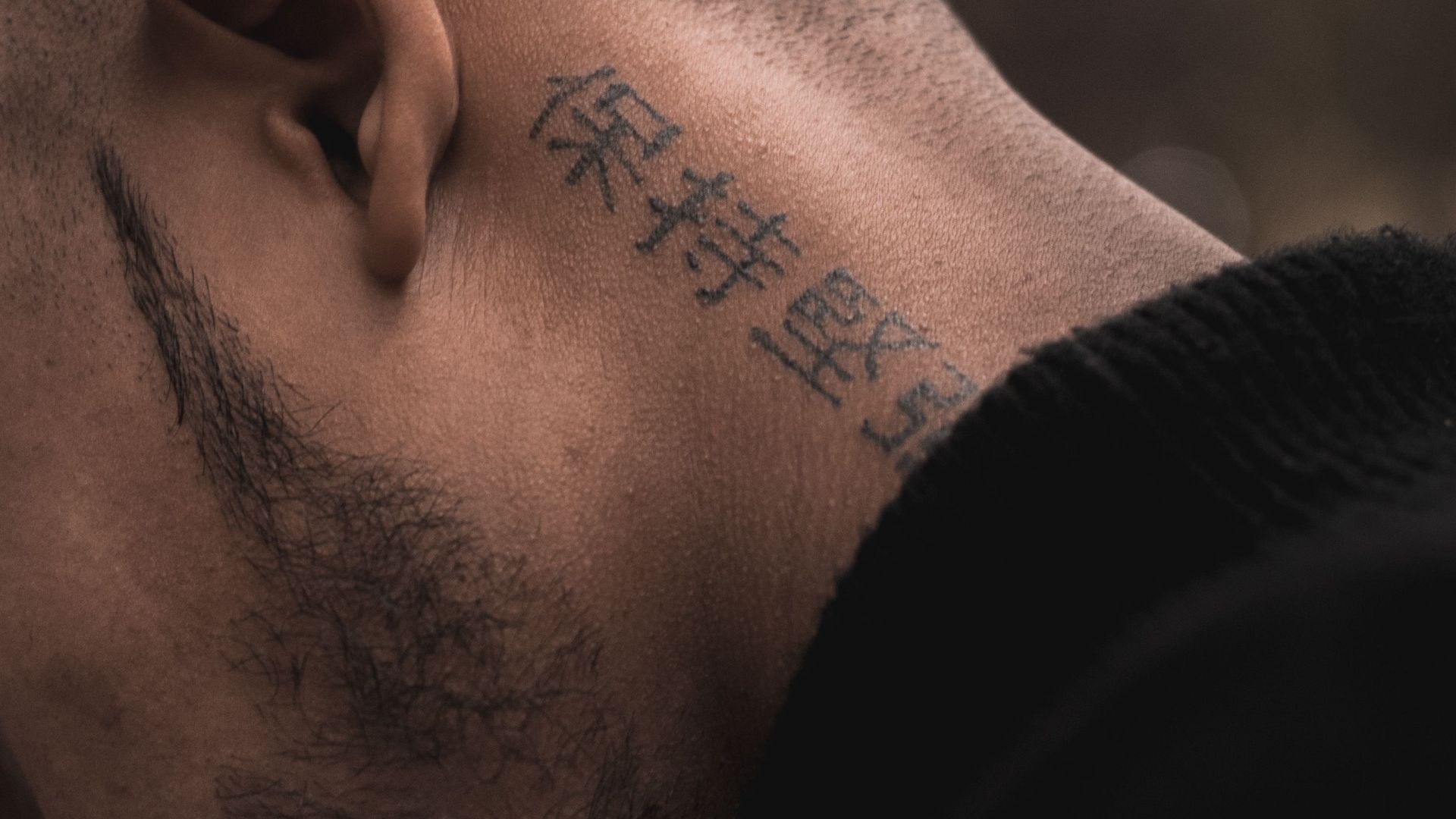
19. The Japanese Character
Japanese kanji tattoos became a major Western trend during the late 20th and early 21st centuries, when characters meaning things like “strength,” “love,” or “peace” were commonly chosen for their supposedly exotic appearance. Unfortunately, incorrect translations and poorly copied characters turned the style into an ongoing source of jokes and cautionary stories. Today, people tend to approach these tattoos with far more awareness of language, accuracy, and cultural context instead of blindly choosing a symbol from a studio wall.
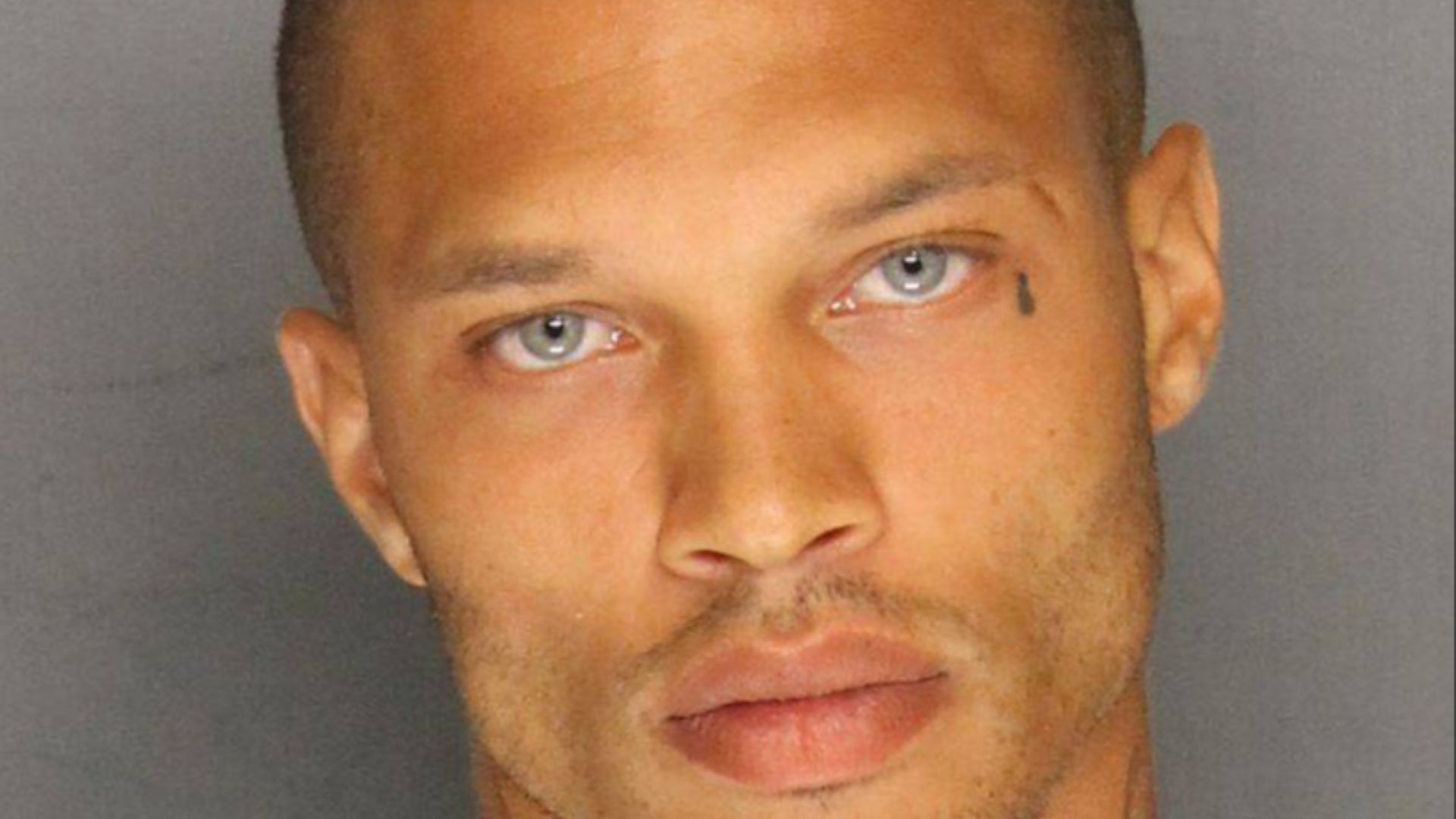
20. The Teardrop
Few tattoos have undergone a more complicated shift than the teardrop beneath the eye. It became closely associated with prisons and criminal culture, although its supposed meanings varied widely and could include incarceration, violence, grief, or the loss of someone close. As facial tattoos have entered mainstream music and fashion, teardrops have become far less automatically readable as criminal symbols.
 Stockton, CA Police Department on Wikimedia