Style That Outlived the Moment
Some men dress well for a season, while others leave behind a look people keep referencing for decades. The most stylish men in history didn’t all dress the same way, and that’s what makes the list more interesting. Some mastered tailoring, some changed casual dressing, some made rebellion look polished, and a few treated clothes like part of the performance. Whether their wardrobes were restrained or impossible to ignore, these 20 men helped shape how style gets remembered.
 Unknown author, dedicated to Bettmann Archive on Wikimedia
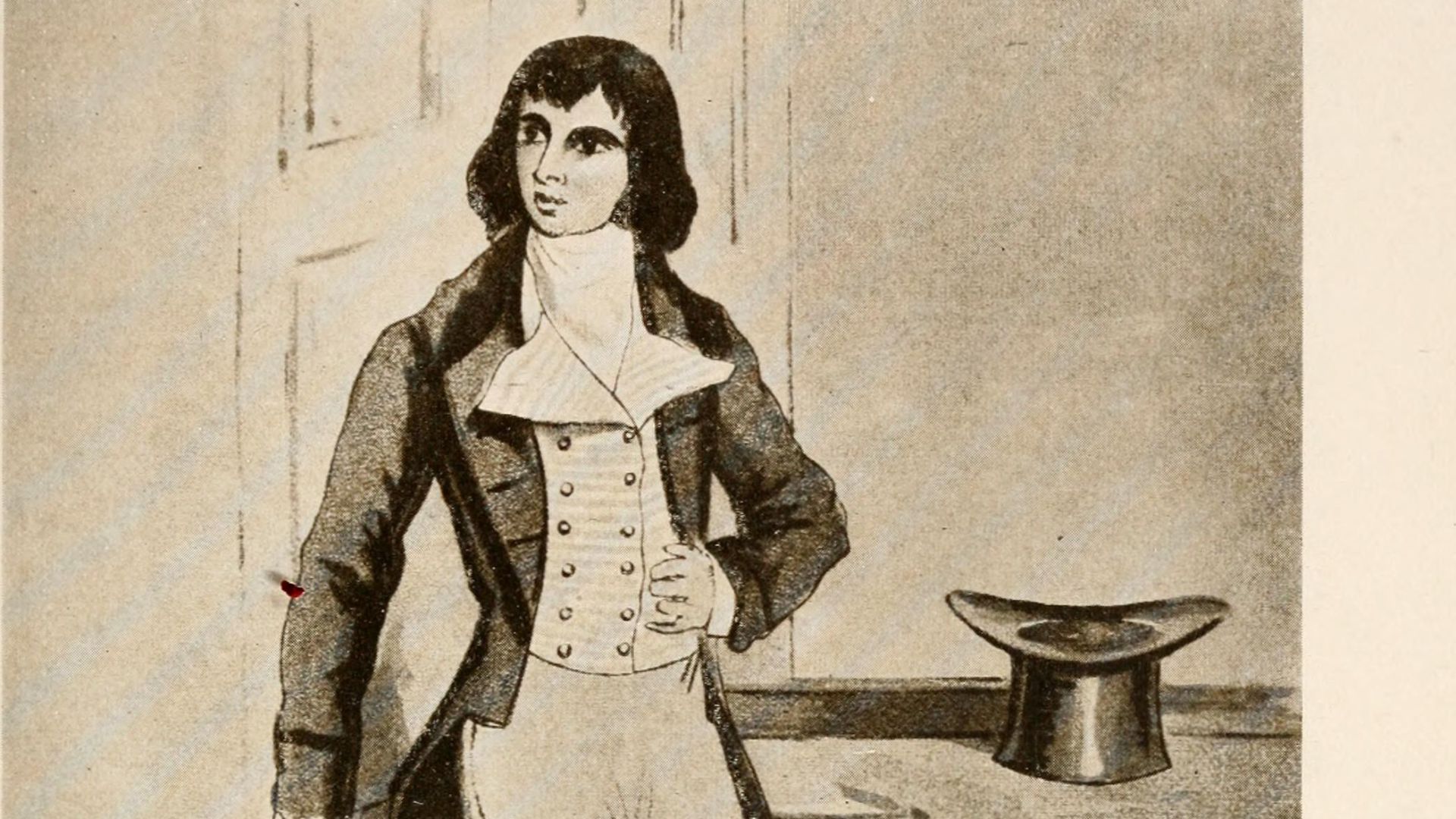
1. Beau Brummell
Beau Brummell helped define modern men’s style in the early 19th century by turning restraint into a statement. Instead of leaning into the ornate fashion of his time, he favored sharp tailoring, clean shirts, polished boots, and carefully tied cravats. His influence helped push men’s fashion toward simplicity, fit, and grooming.
 Internet Archive Book Images on Wikimedia
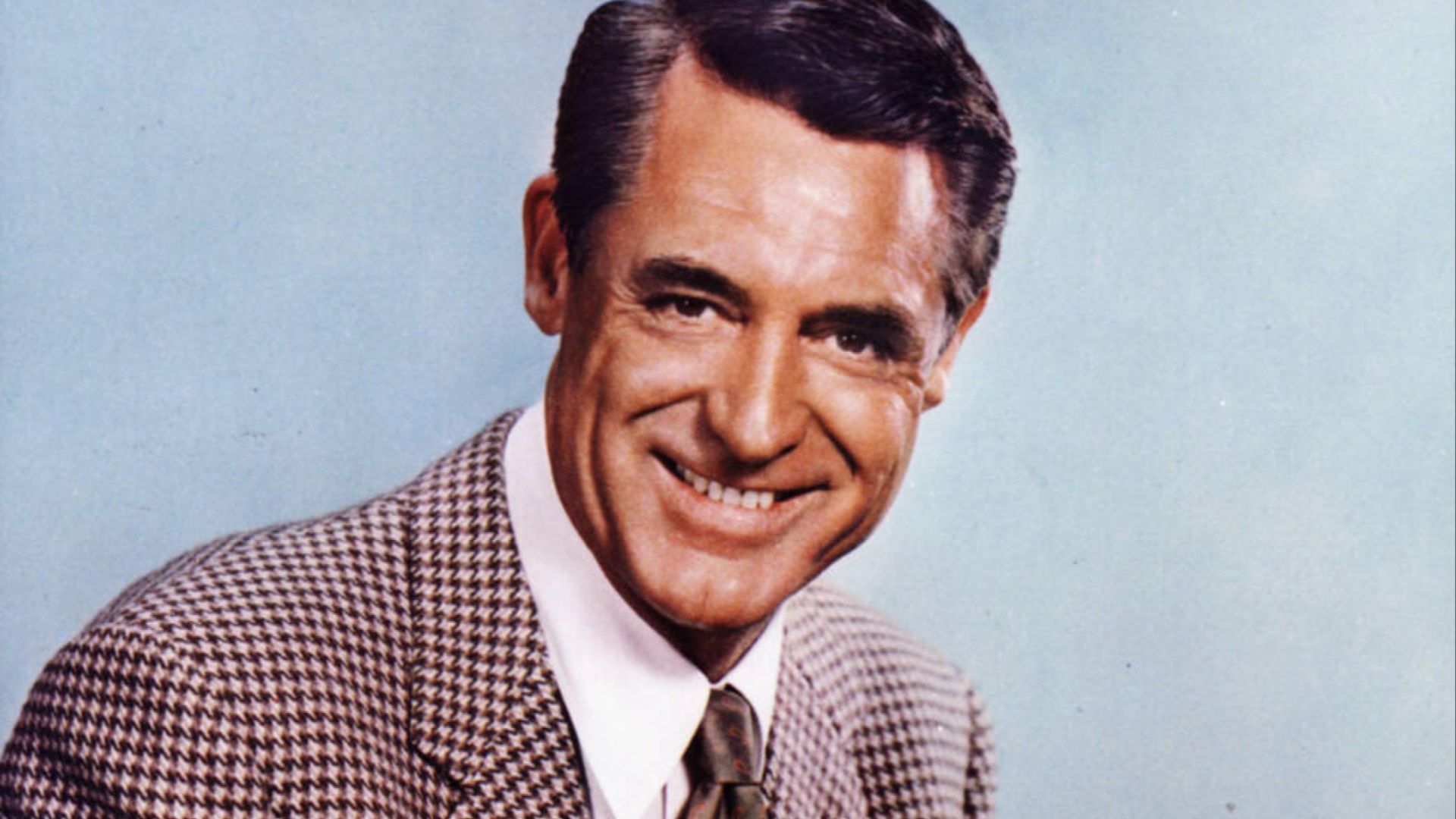
2. Cary Grant
Cary Grant’s style was built on polish, balance, and clothes that never looked like they were trying too hard. He wore suits, shirts, and overcoats with the kind of ease that made classic menswear feel approachable. His look still works because it was so timeless.
 Harry Warnecke of New York Daily News on Wikimedia
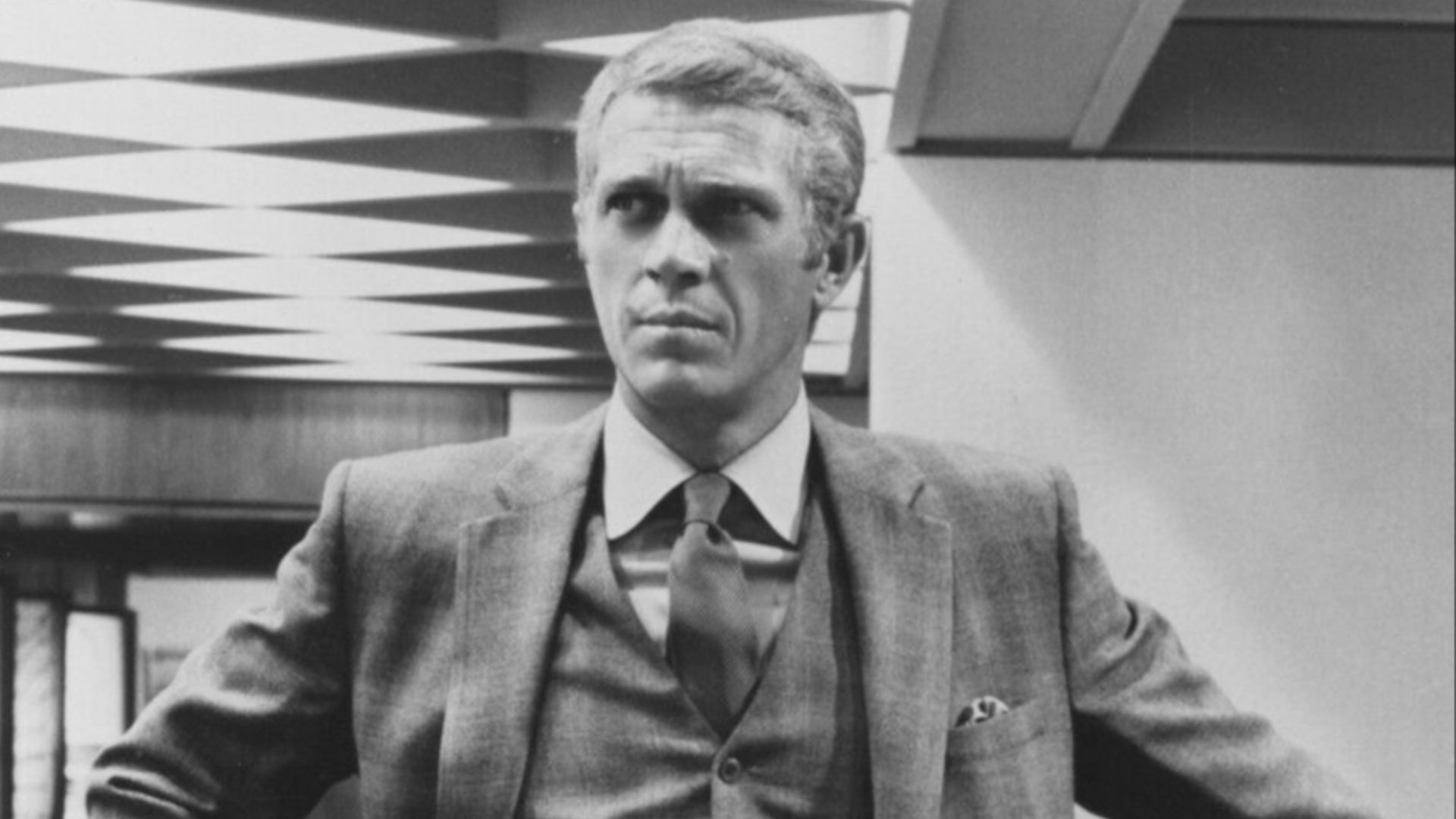
3. Steve McQueen
Steve McQueen made casual menswear look cool without making it look messy. His jeans, boots, sunglasses, leather jackets, sweaters, and simple T-shirts became part of his image as much as his movie roles.
He understood rugged style in a way that felt natural.
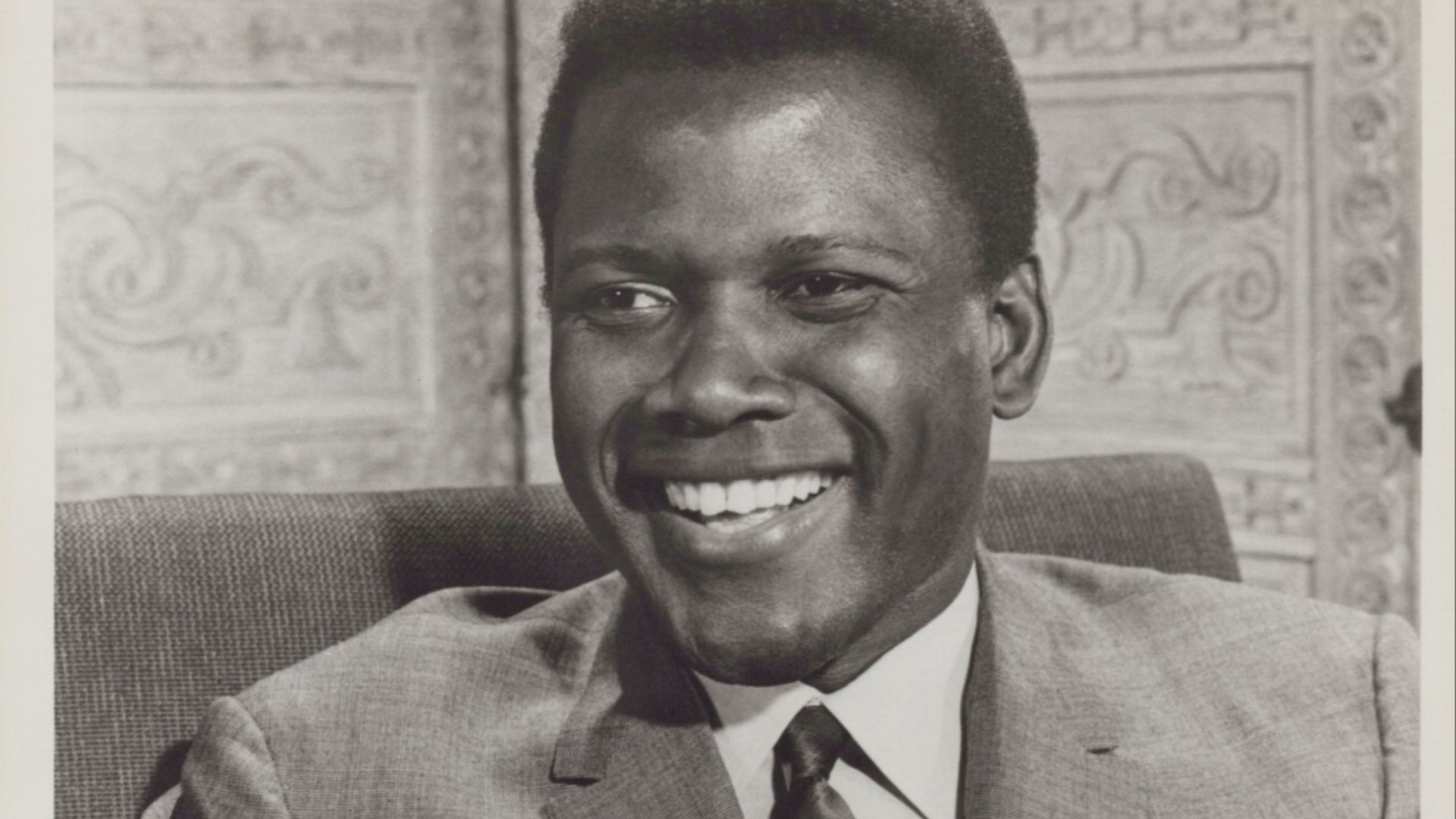
4. Sidney Poitier
Sidney Poitier brought quiet elegance to every room he entered. His tailoring was clean, dignified, and beautifully controlled, whether he was wearing a suit, tuxedo, or simple knitwear. He never needed loud clothing to hold attention because his presence did most of the work.
5. David Bowie
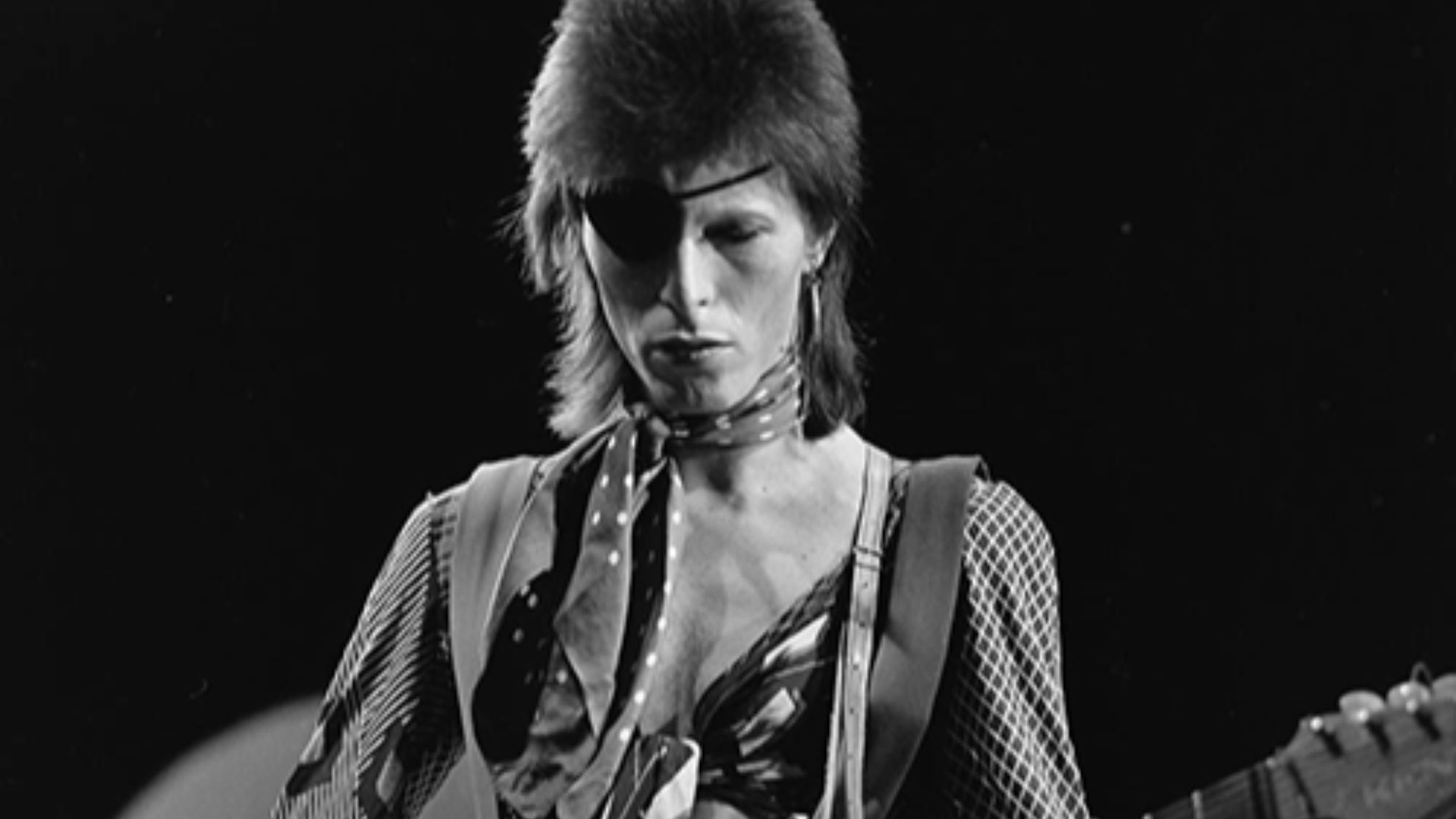
David Bowie made fashion feel like an art form that could change whenever he wanted it to. From Ziggy Stardust to the Thin White Duke, he treated clothing, makeup, hair, and silhouette as part of a larger identity. His style was fearless, theatrical, and deeply influential across music and fashion.
6. Prince
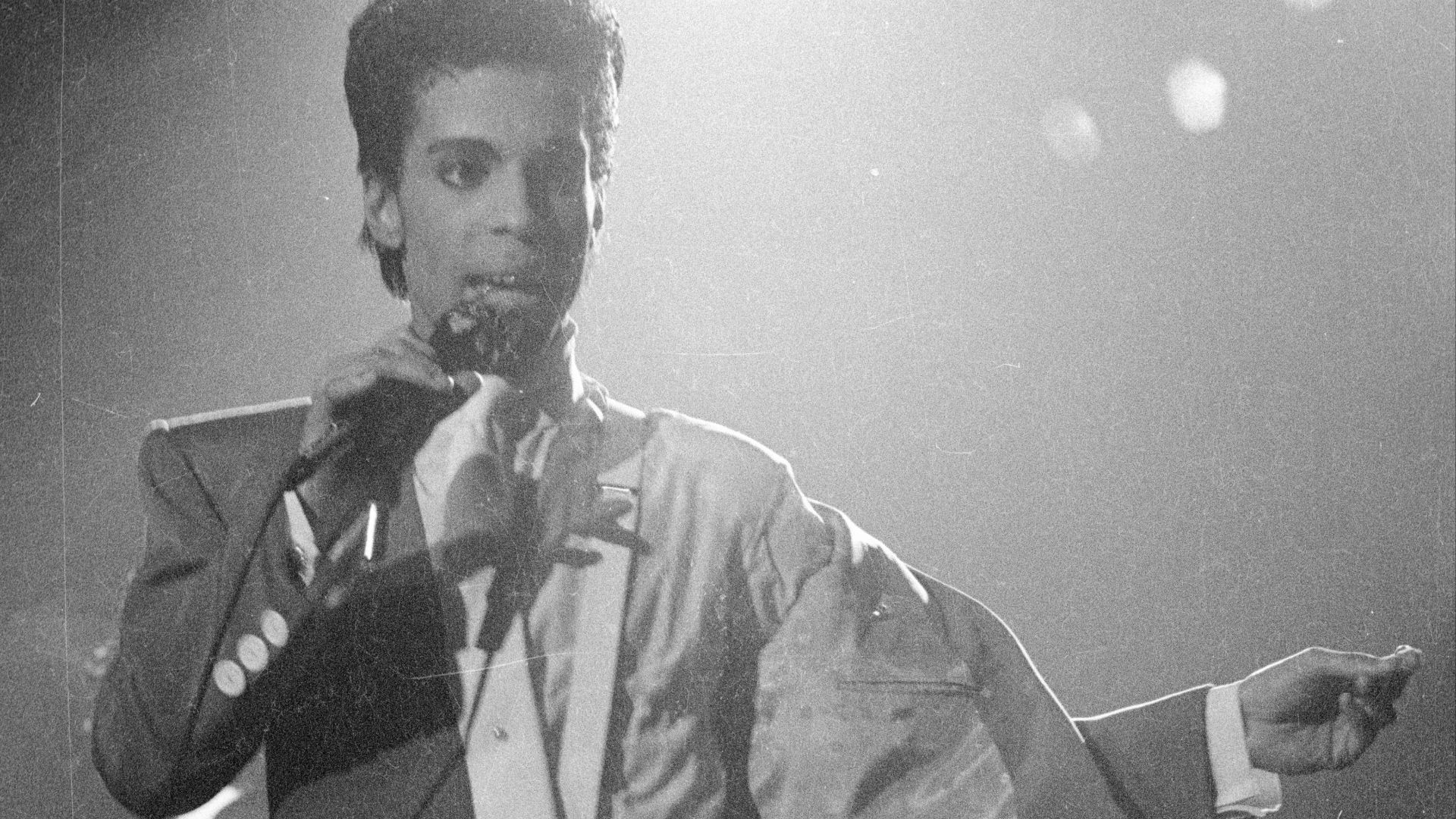
Prince understood that style could be sensual, sharp, playful, and commanding all at once. Ruffled shirts, high heels, bold colors, fitted suits, lace, sequins, and dramatic silhouettes all became part of his visual language. He didn’t soften his fashion choices to make other people comfortable, which is exactly why they worked.
7. Gianni Agnelli
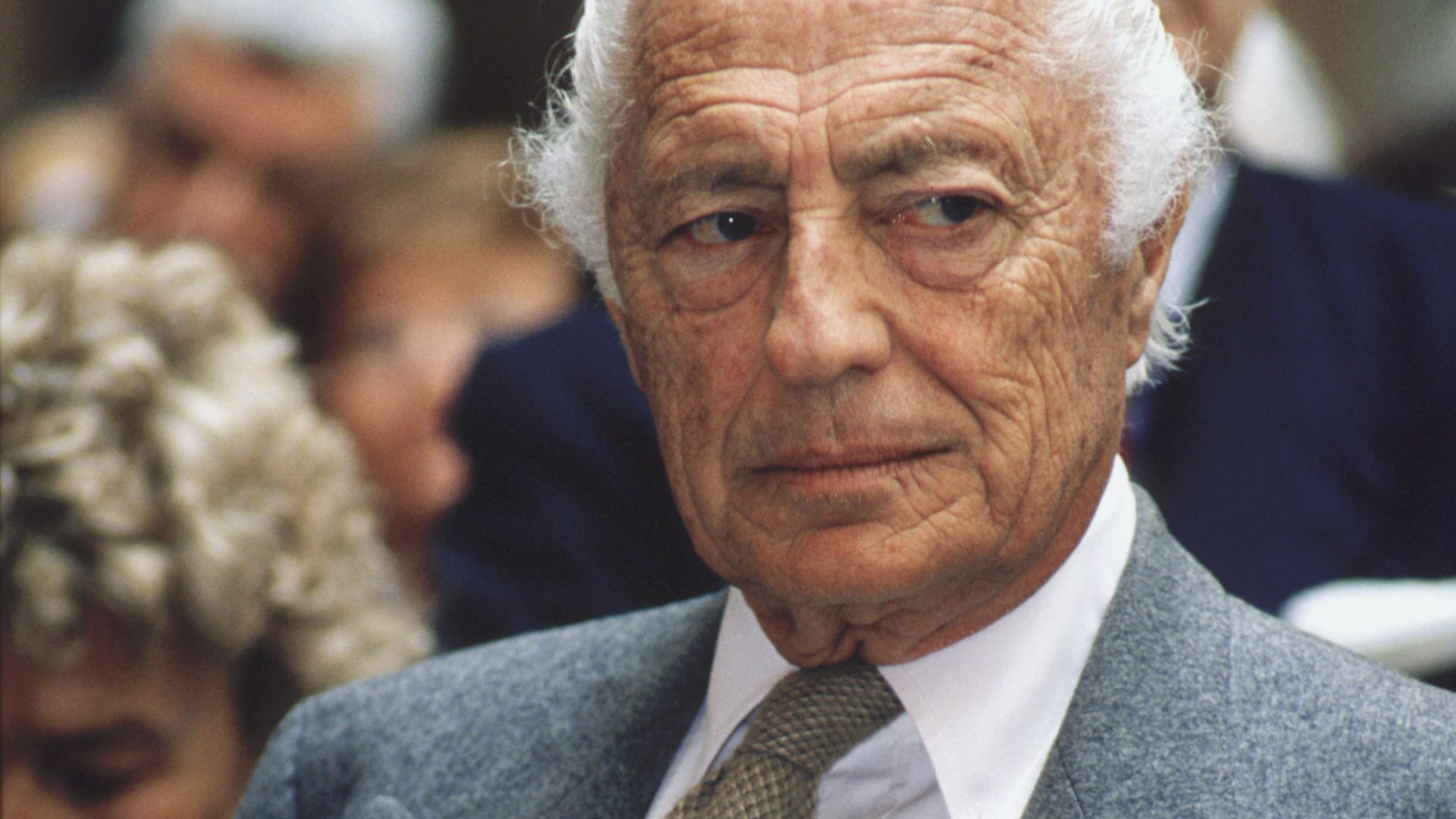
Gianni Agnelli made relaxed Italian elegance look almost unfairly easy. The Fiat chairman became famous for small styling quirks, including wearing his watch over his shirt cuff and making tailored suits feel slightly undone. He mixed wealth, confidence, and nonchalance without looking careless.
8. Fred Astaire
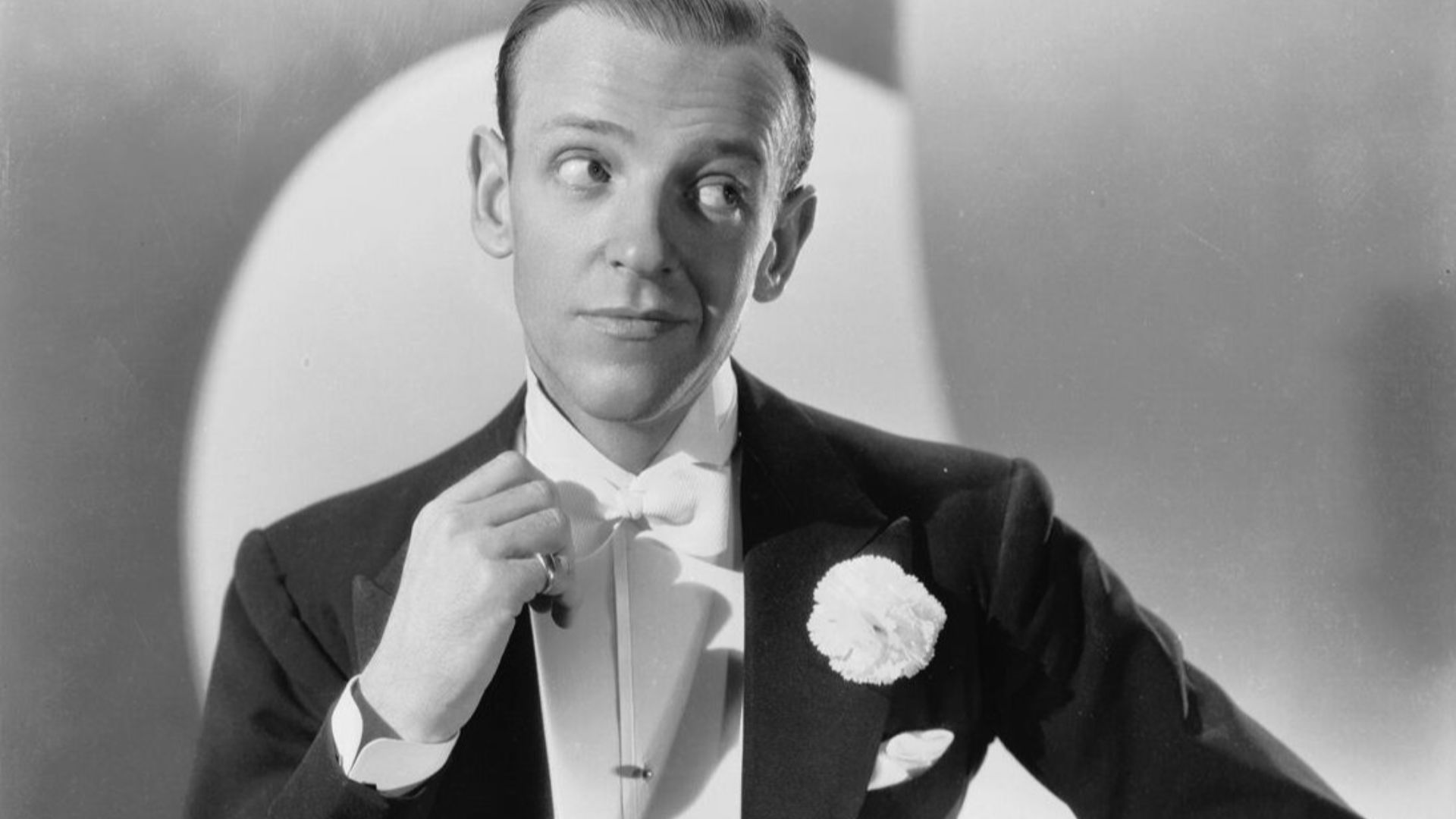
Fred Astaire brought movement, charm, and precision to classic menswear.
His suits, tails, loafers, scarves, and ties looked elegant, but never stiff, which mattered because he had to dance in them. He made formal clothes seem light instead of fussy. I
 Studio publicity still on Wikimedia
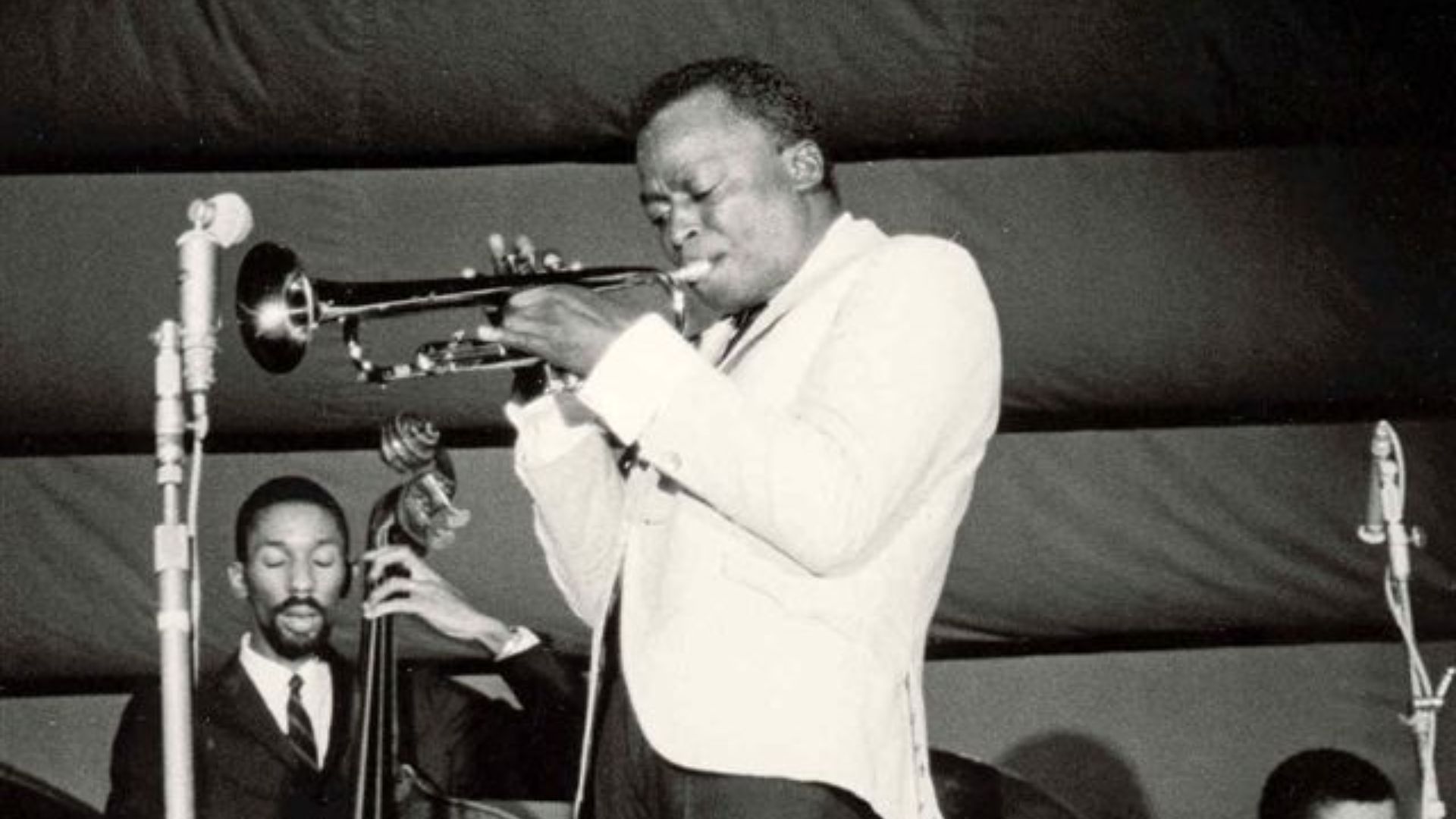
9. Miles Davis
Miles Davis had a style evolution as bold as his music. He moved from sharp suits and slim ties to leather, sunglasses, color, and experimental stagewear as his sound changed. His wardrobe always seemed connected to his mood, his era, and his refusal to stay still.
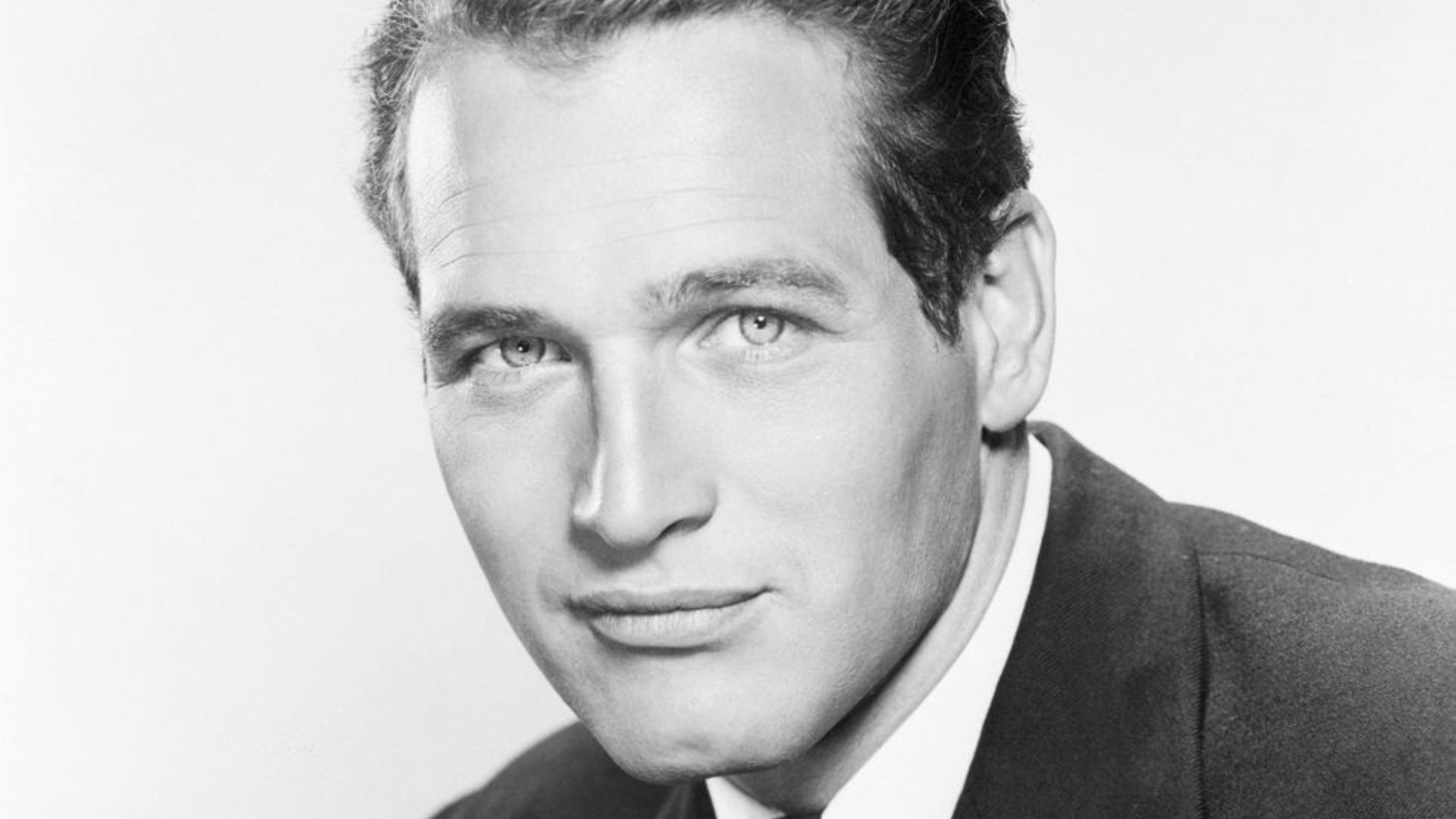
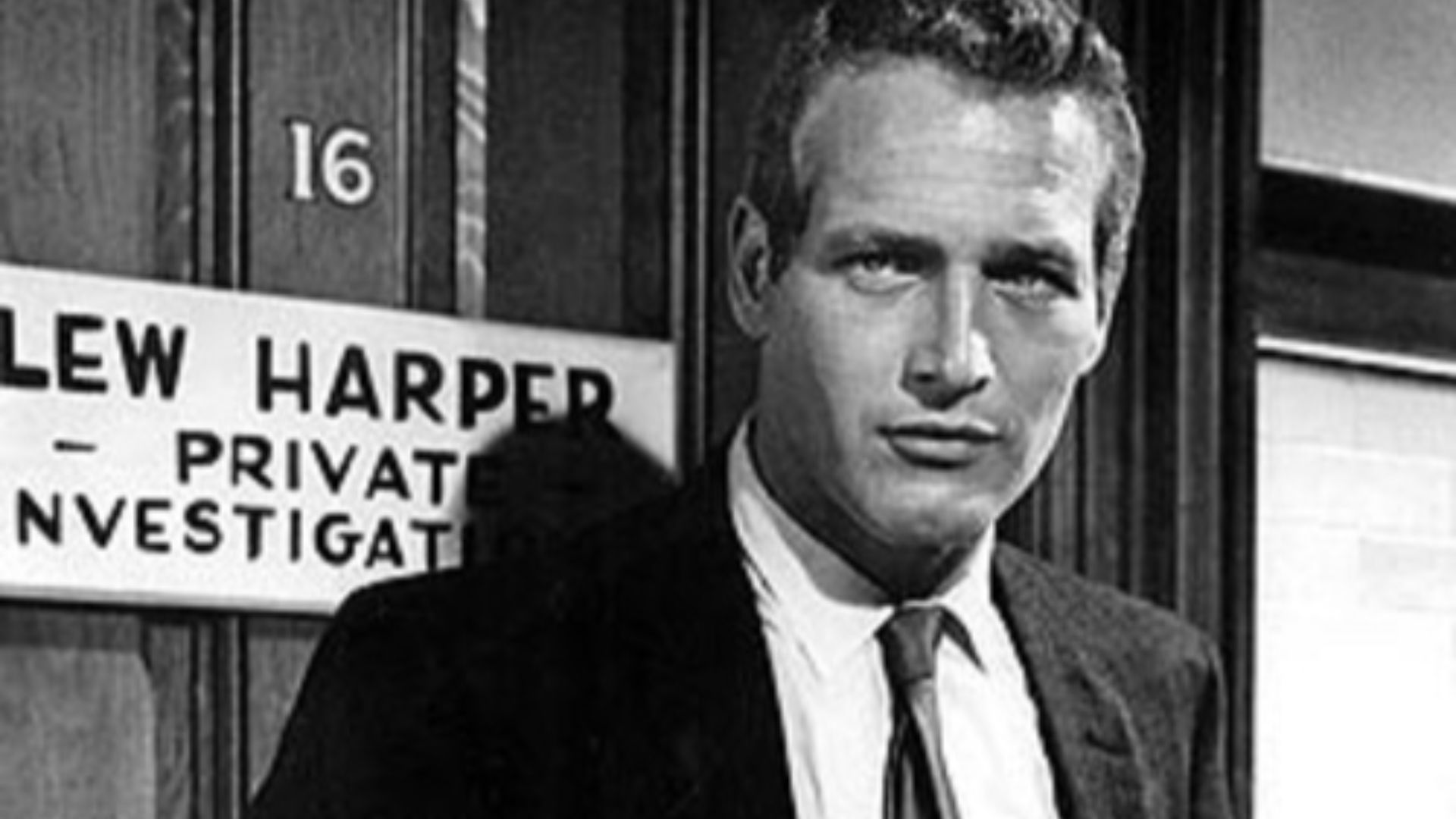
10. Paul Newman
Paul Newman made simplicity look better than most people make effort look. He was celebrated for his effortless, understated "King of Cool" Americana aesthetic, rocking both rugged casualwear and tailored suits. His style worked because it felt comfortable, masculine, and lived-in without ever looking sloppy.
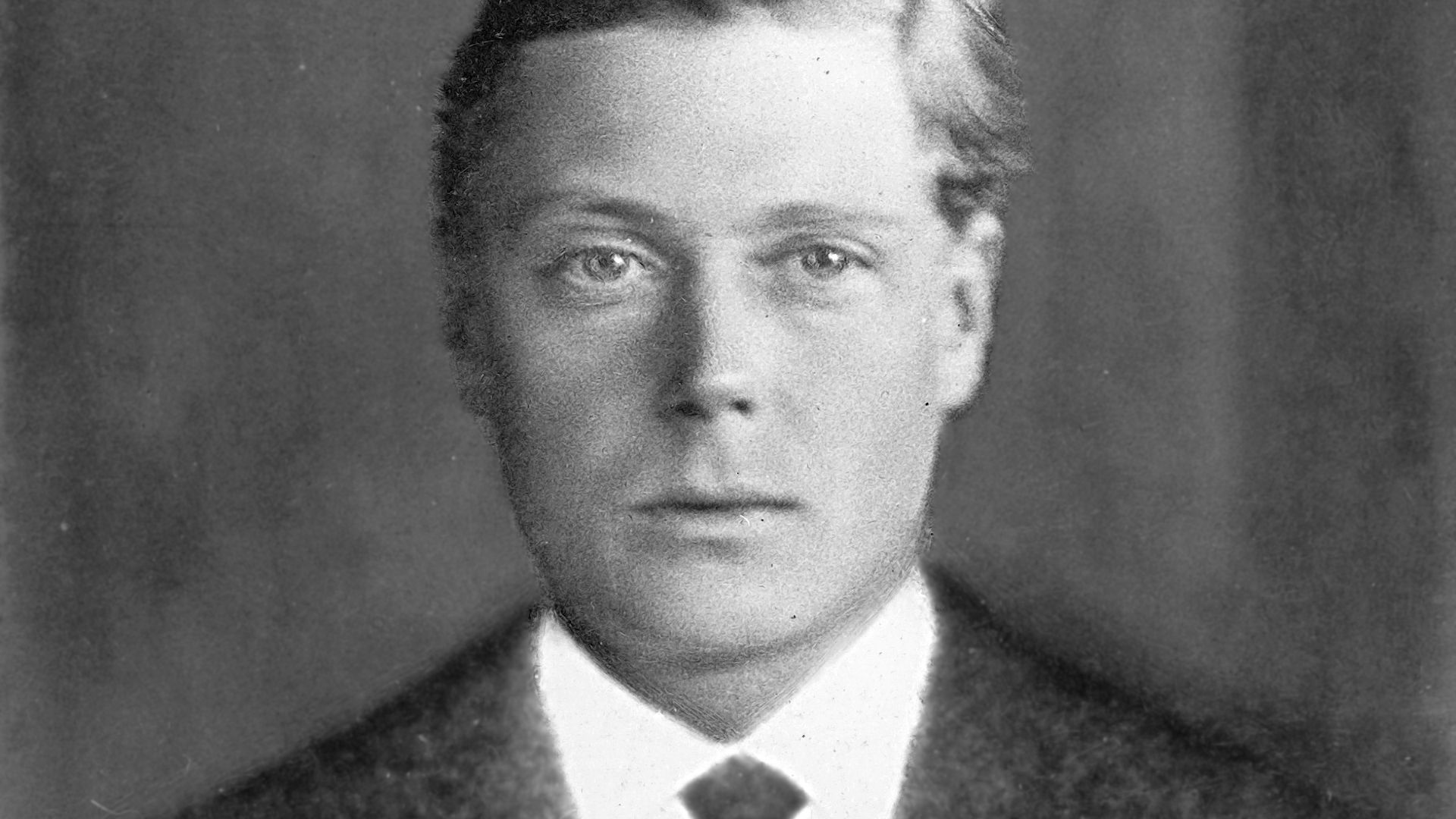
11. The Duke of Windsor
The Duke of Windsor was one of the most influential menswear figures of the 20th century, even if his personal history remains controversial. He popularized the Windsor knot, the use of bright patterns, and casual pairings like the Fair Isle sweater. His clothes looked polished without seeming stiff, which helped move men’s style away from rigid formality.
12. Akbar the Great
Akbar the Great brought imperial Mughal style into one of its richest periods. His court blended Persian, Indian, and Central Asian influences through luxurious textiles, jeweled turbans, fine robes, and detailed ornament.
Akbar’s style was not just decorative; it helped express power, cultural fusion, and imperial sophistication.
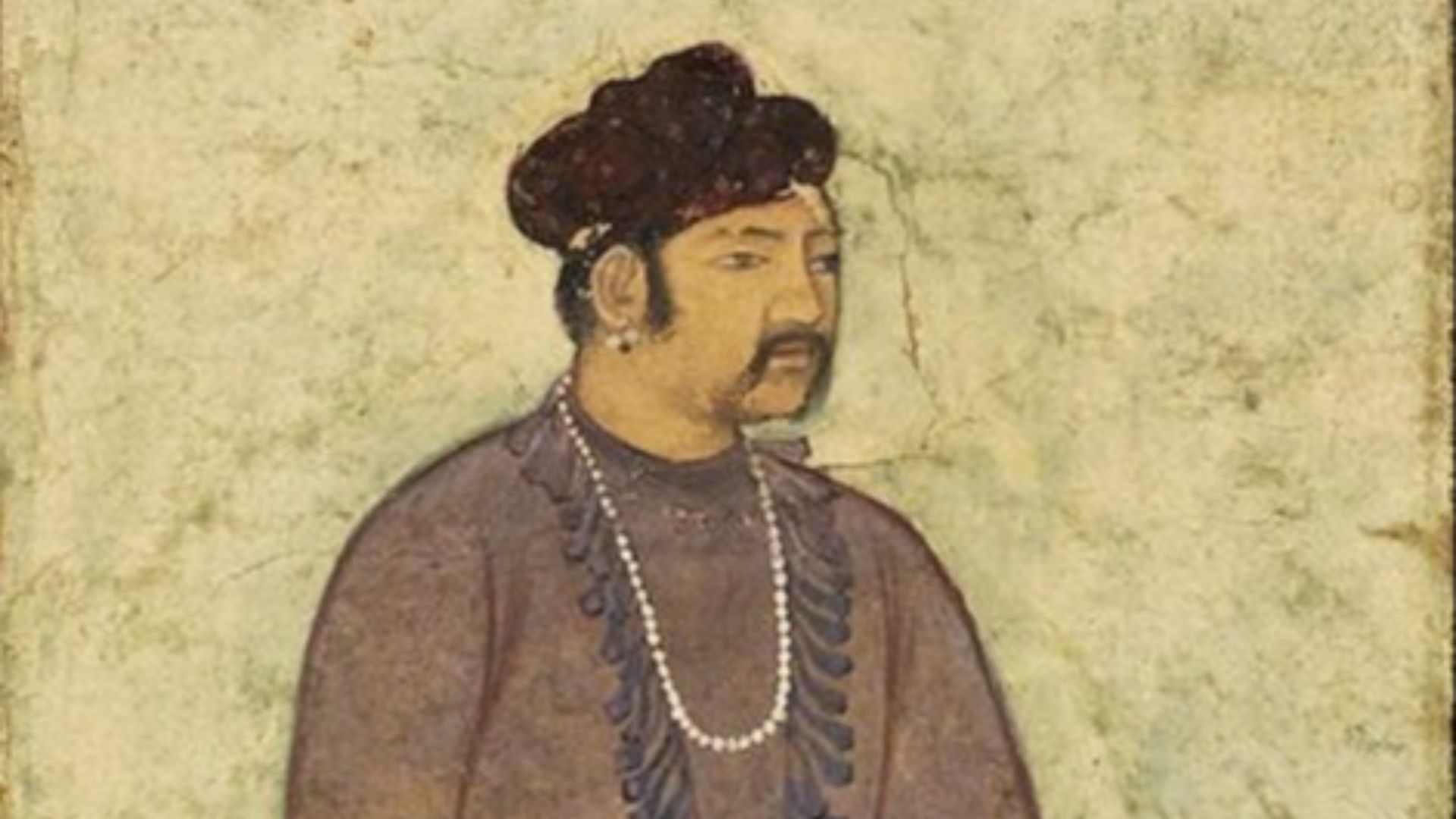 Manohar. Worked in late 16th century. on Wikimedia
13. Sean Connery
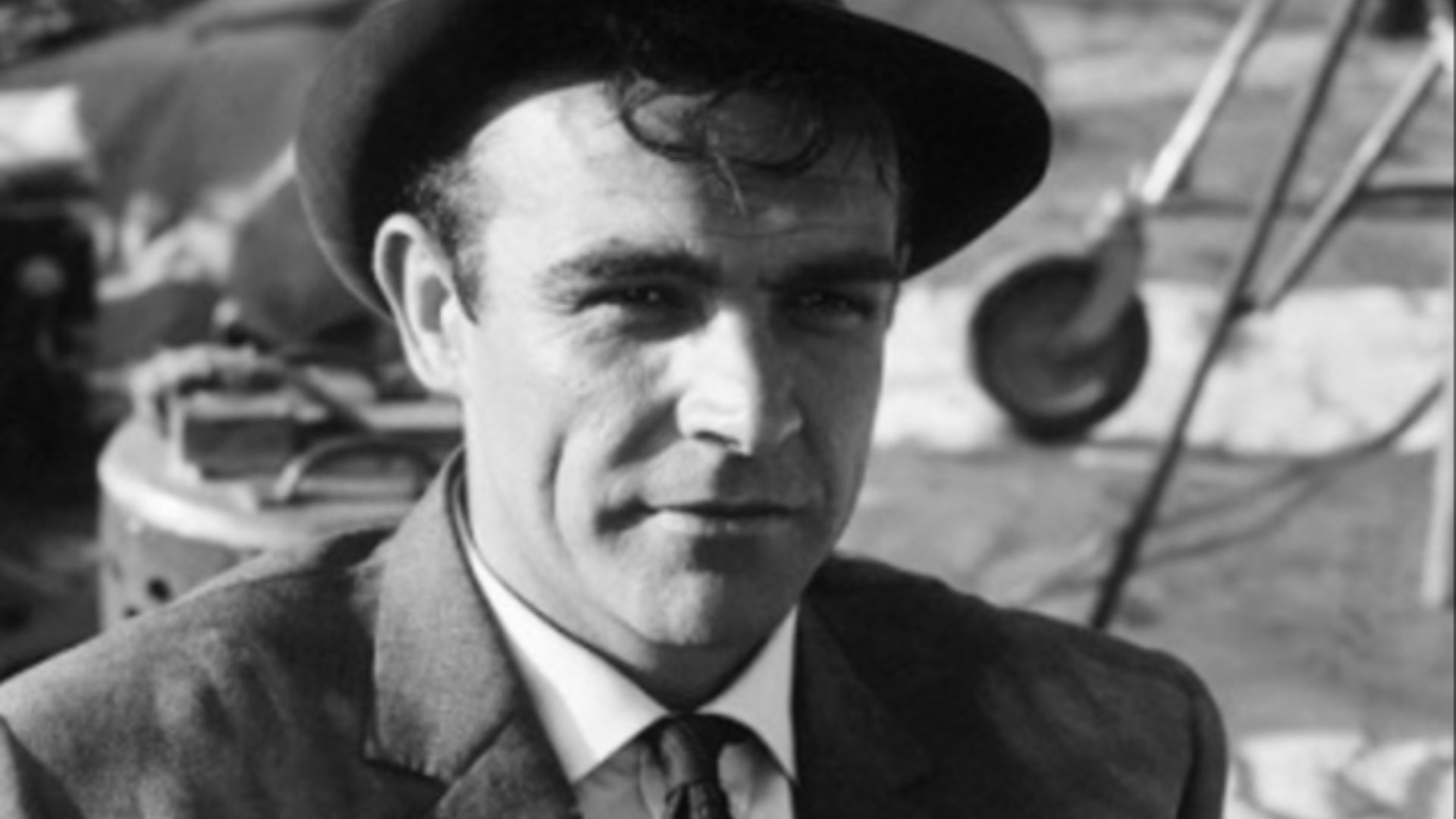
Sean Connery’s style became closely tied to early James Bond elegance. He wore dinner jackets, suits, knit polos, and casual resort clothes with confidence and physical ease. His best looks felt masculine without being overworked, which helped make Bond’s wardrobe iconic.
14. Elvis Presley
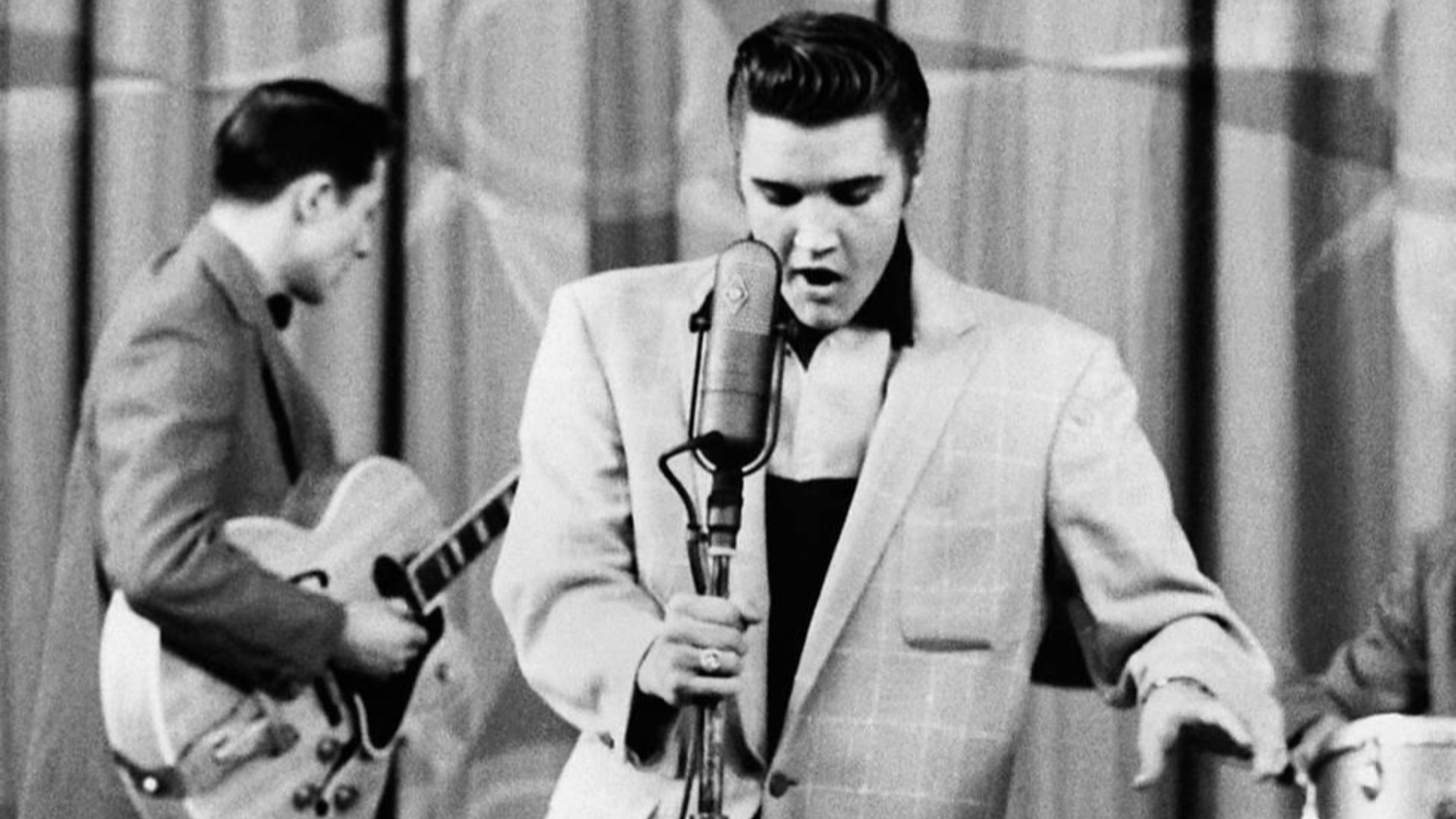
Elvis Presley’s style moved from rock-and-roll rebellion to full stage spectacle. Early on, his slick hair, open collars, jackets, and swagger helped define a new kind of youthful masculinity. Later, his jumpsuits, embroidery, capes, and rhinestones turned performance wear into pure visual drama.
15. Lord Byron
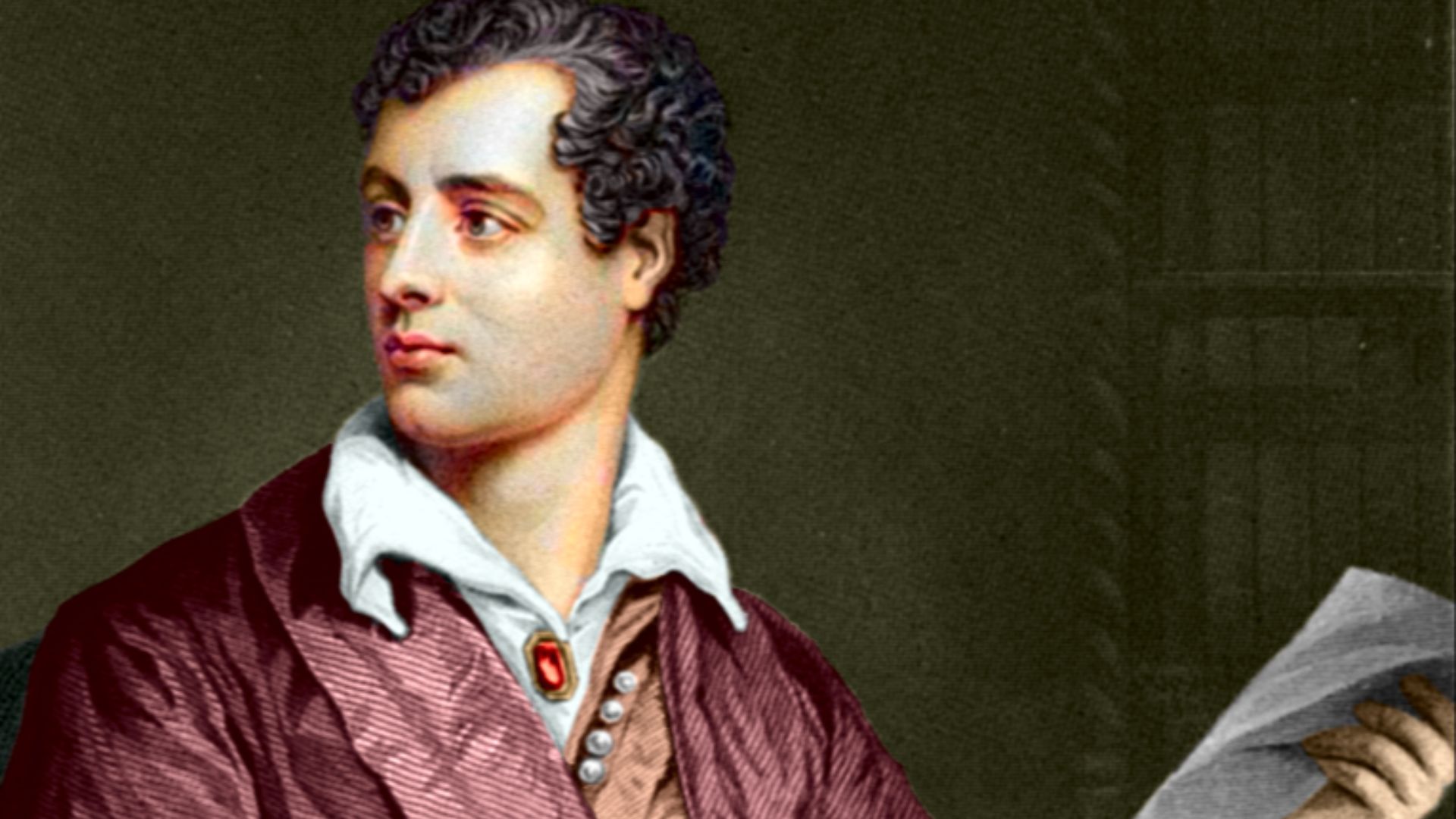
Lord Byron turned romantic dishevelment into a personal brand before personal brands were supposed to exist. Open collars, loose shirts, dark curls, cloaks, and dramatic poses helped make him the image of the brooding poet. His style influenced the way people imagined artistic masculinity in the 19th century.
 Unknown author, coloured by uploader on Wikimedia
16. Oscar Wilde
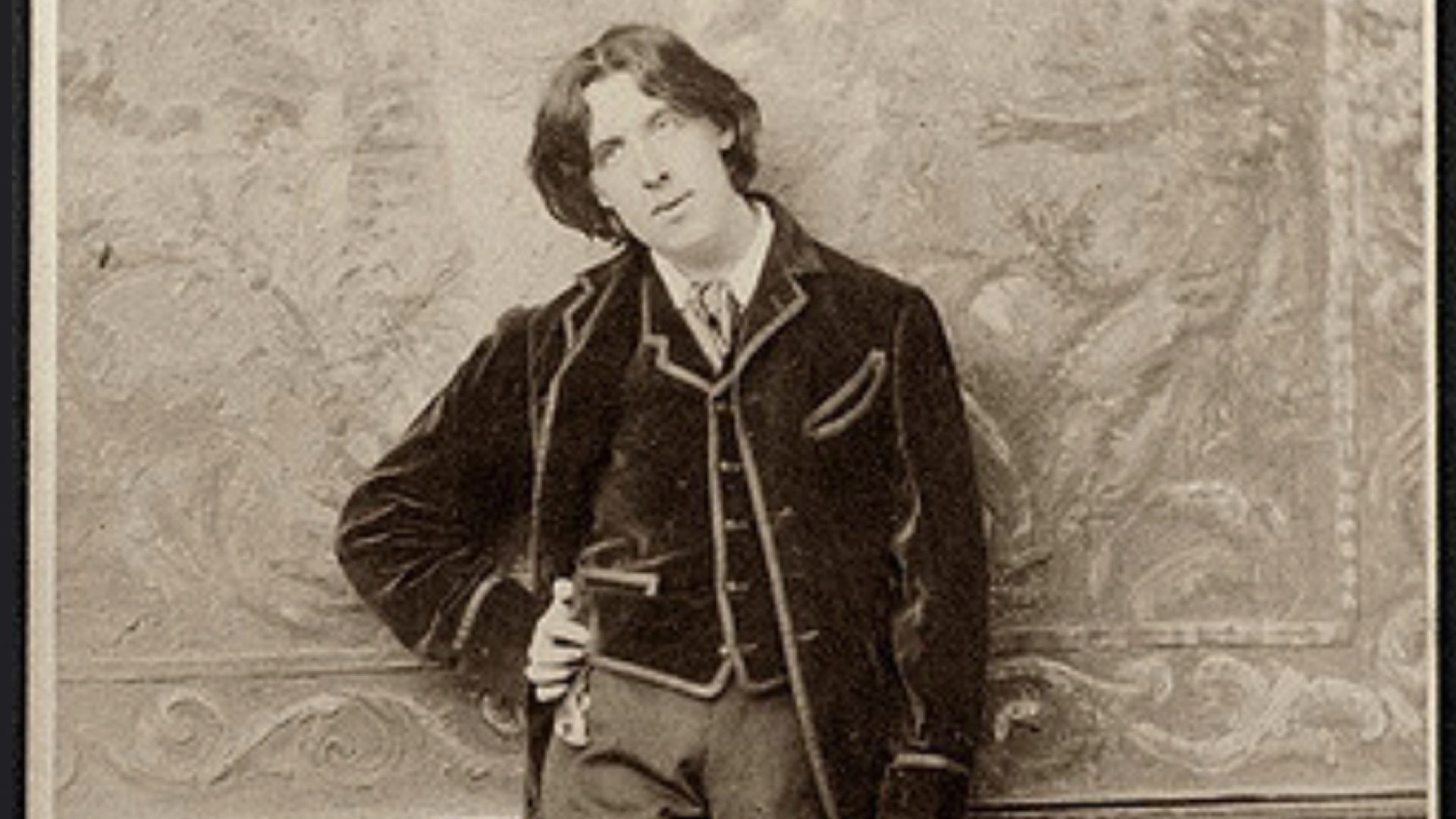
Oscar Wilde made style part of his wit, fame, and public identity. He wore velvet jackets, silk stockings, fur-trimmed coats, dramatic collars, gloves, and buttonholes with the confidence of someone who knew being noticed was half the point. Wilde didn’t just dress well; he made looking interesting feel like an intellectual position.
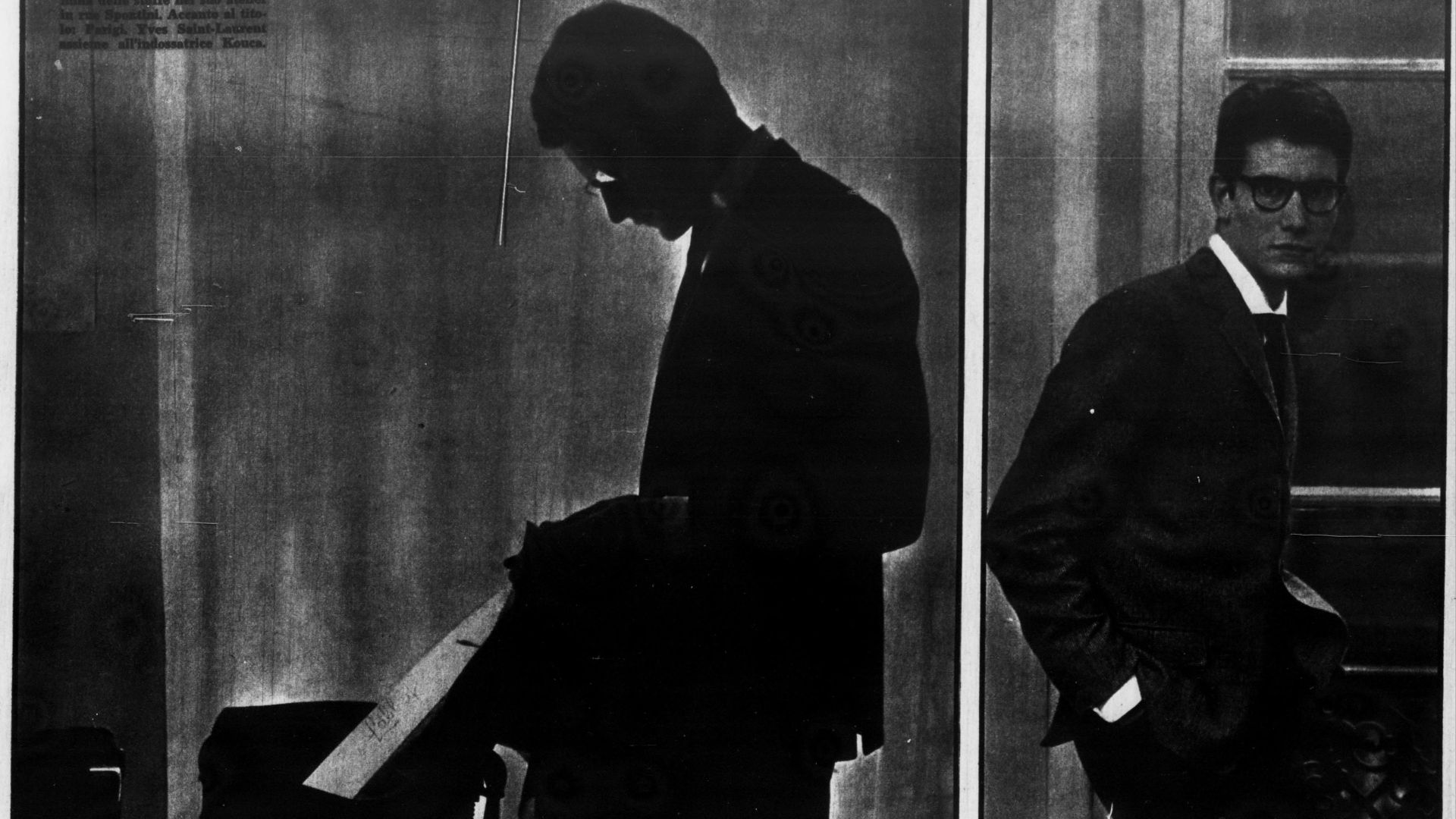
17. Yves Saint Laurent
Yves Saint Laurent shaped fashion as a designer, but his personal style also carried real impact.
He often favored dark suits, glasses, crisp shirts, and a thoughtful, slightly reserved elegance. His look was intellectual, refined, and unmistakably connected to the world he created.
18. Ralph Lauren
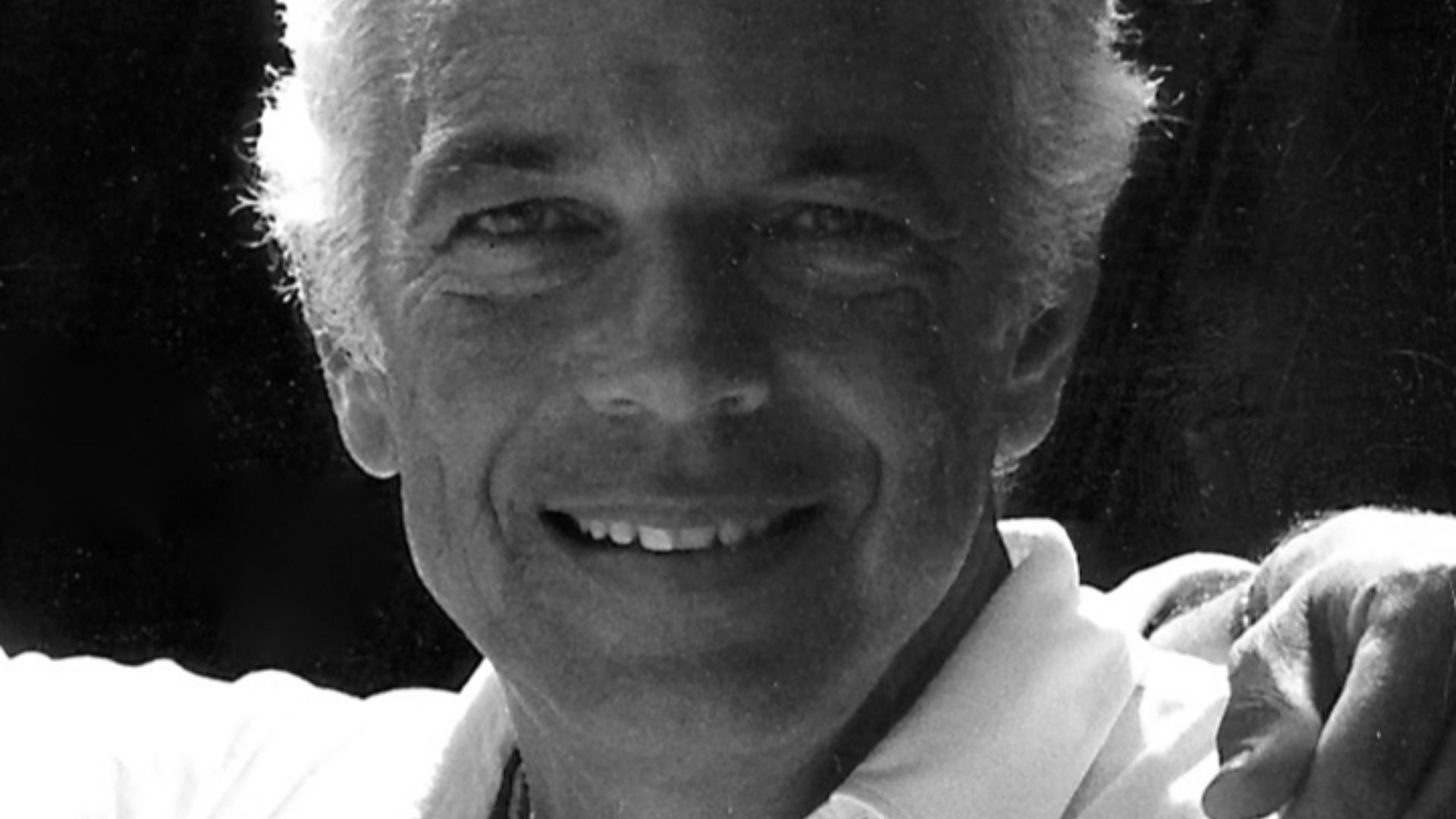
Ralph Lauren didn’t just dress stylishly; he built an entire world around American elegance. His personal style blends Western wear, Ivy League polish, tailoring, denim, tweed, and old-school glamour in a way that feels both aspirational and wearable. He made rugged pieces look refined and formal pieces feel relaxed, which is a tricky balance to pull off.
 Arnaldo Anaya-Lucca on Wikimedia
19. André 3000
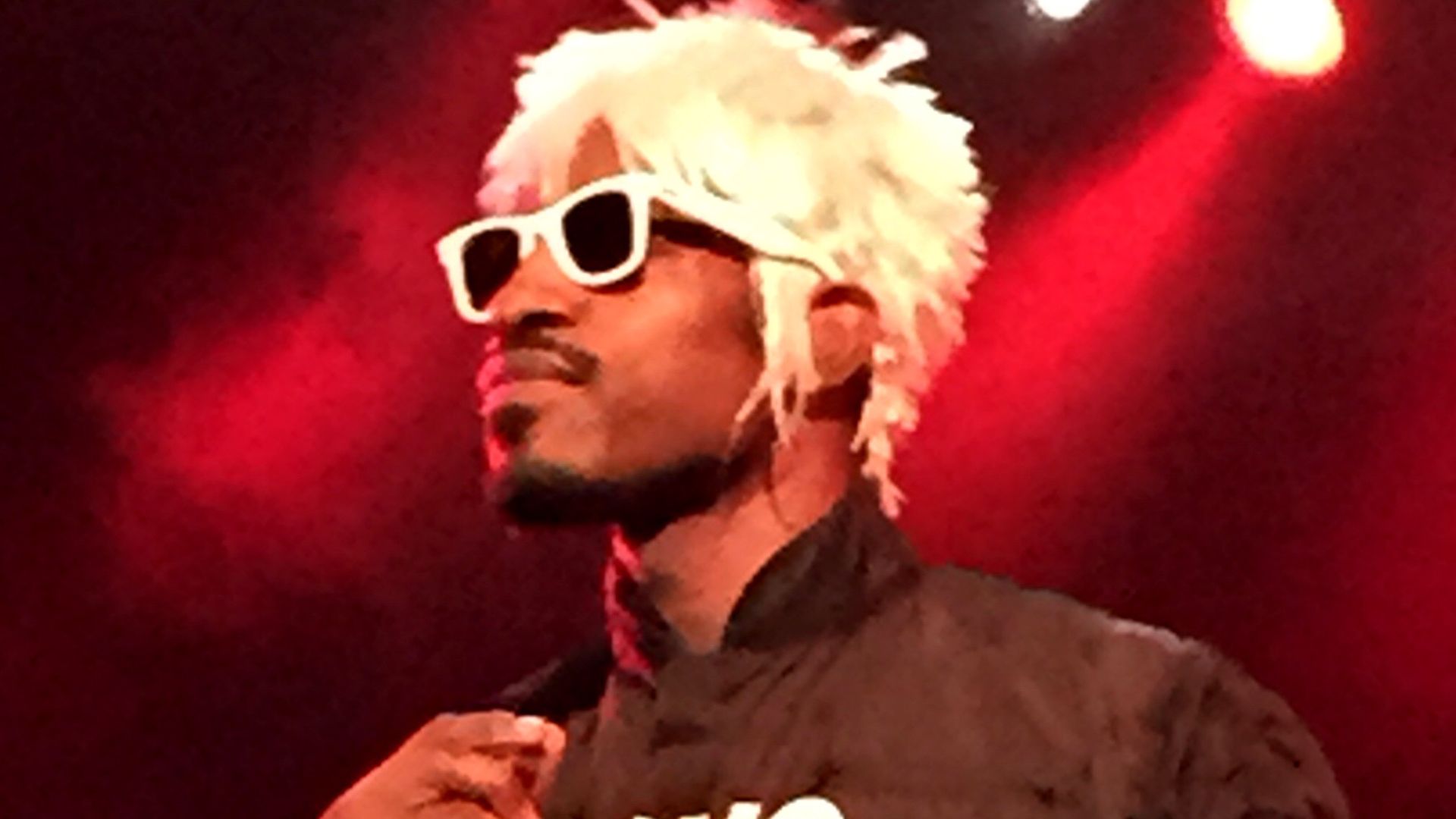
André 3000 made modern menswear feel more playful, personal, and adventurous. He mixed tailoring, color, prep, streetwear, hats, prints, and unexpected details without looking like he was following anyone else’s rules. His style has always carried humor and intelligence, which keeps it from feeling like simple shock value.
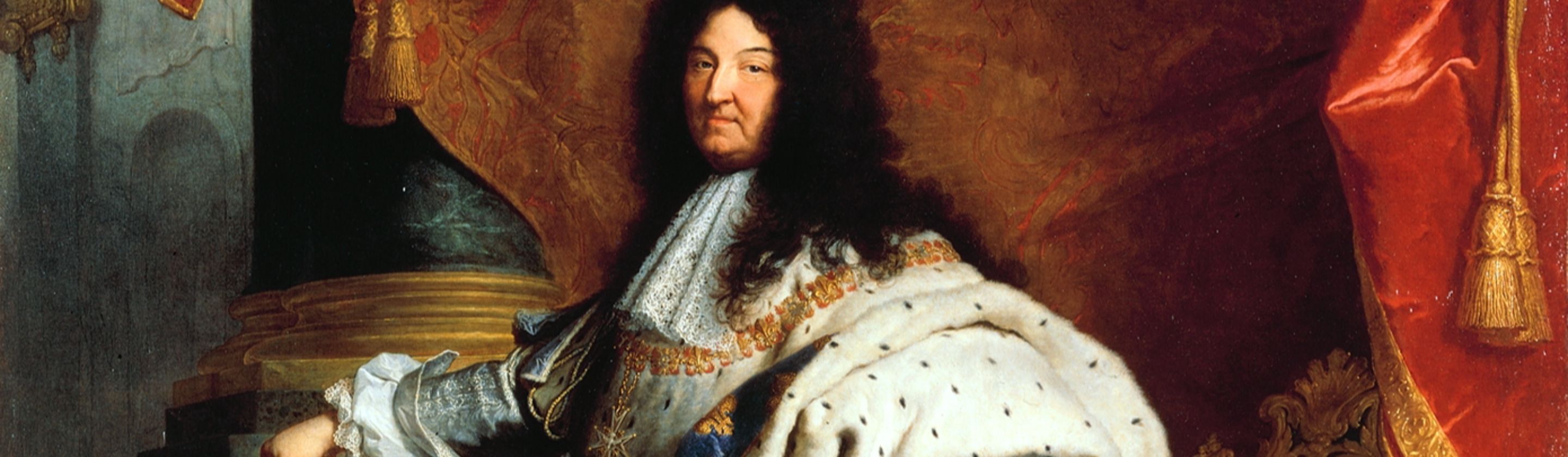
20. Louis XIV
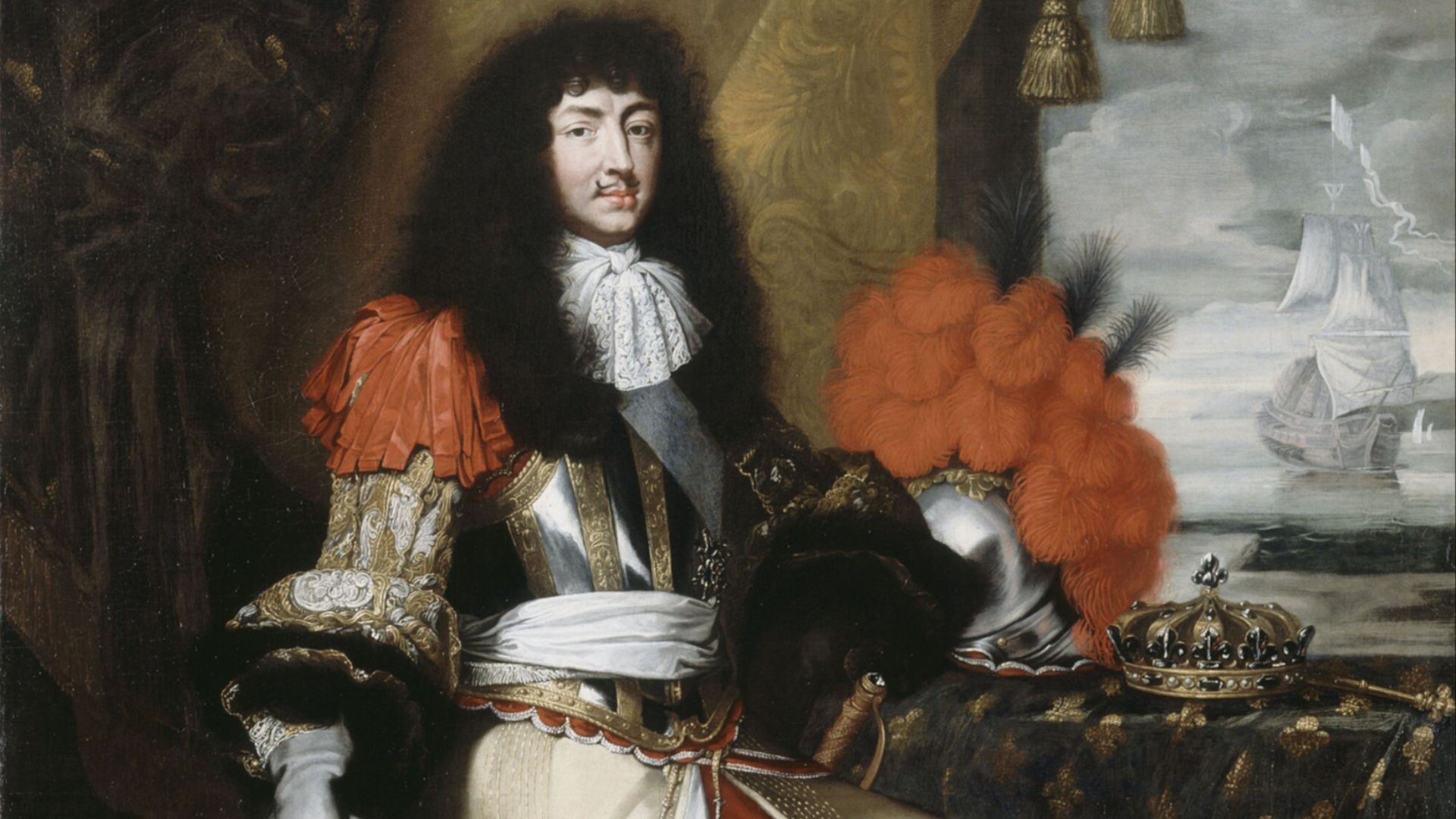
Louis XIV turned personal style into political theater, and he knew exactly what he was doing. The French king used high heels, elaborate wigs, lace, embroidery, jewels, and richly decorated coats to project power, wealth, and royal control. His court at Versailles helped make France the center of European fashion, while his own wardrobe made dressing well part of ruling well.